Gluten-Free Sourdough Starter Culture | Rice, Millet, Ragi | Zoh Probiotics
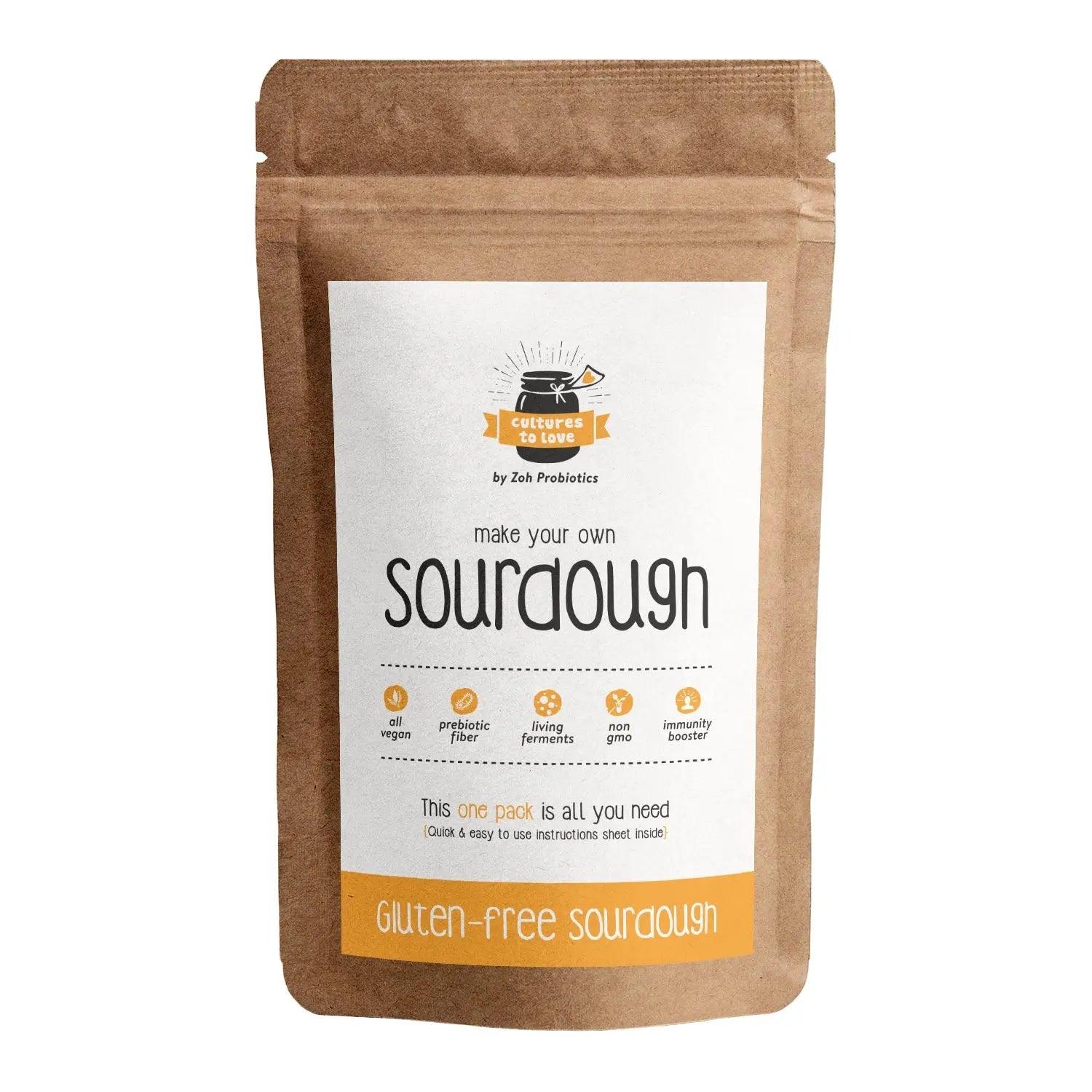
Gluten-Free Sourdough Starter — real fermented bread for celiac and gluten-free households, made from rice, millet, ragi, jowar, or sorghum.
🌍 Ships next business day worldwide · 🇮🇳 1–4 days India · 🇦🇪 5–9 days UAE · 🇸🇬🇲🇾 5–9 days SEA · 🇬🇧🇮🇪🇪🇺 7–14 days · 🇺🇸🇨🇦🇦🇺🇳🇿 7–14 days
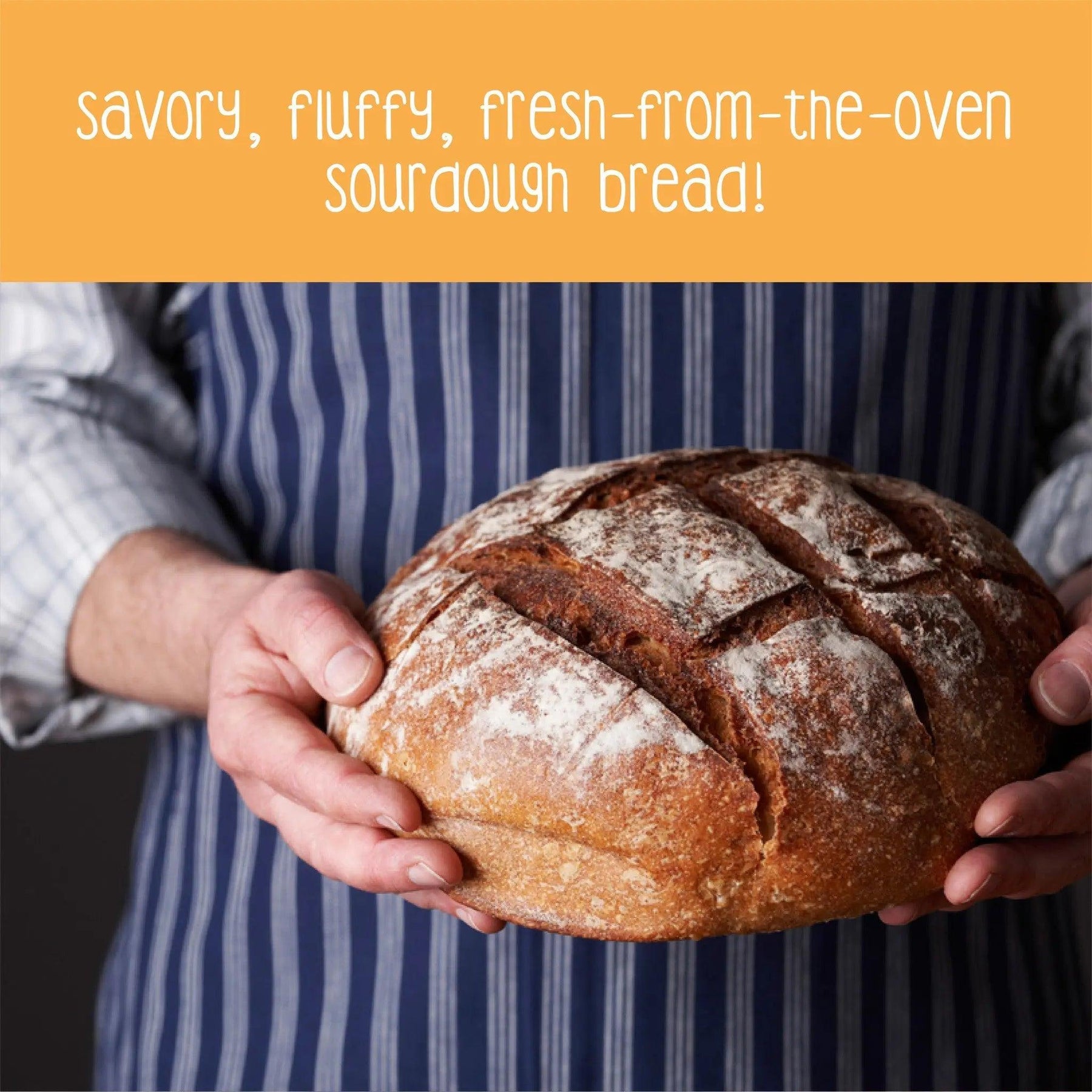
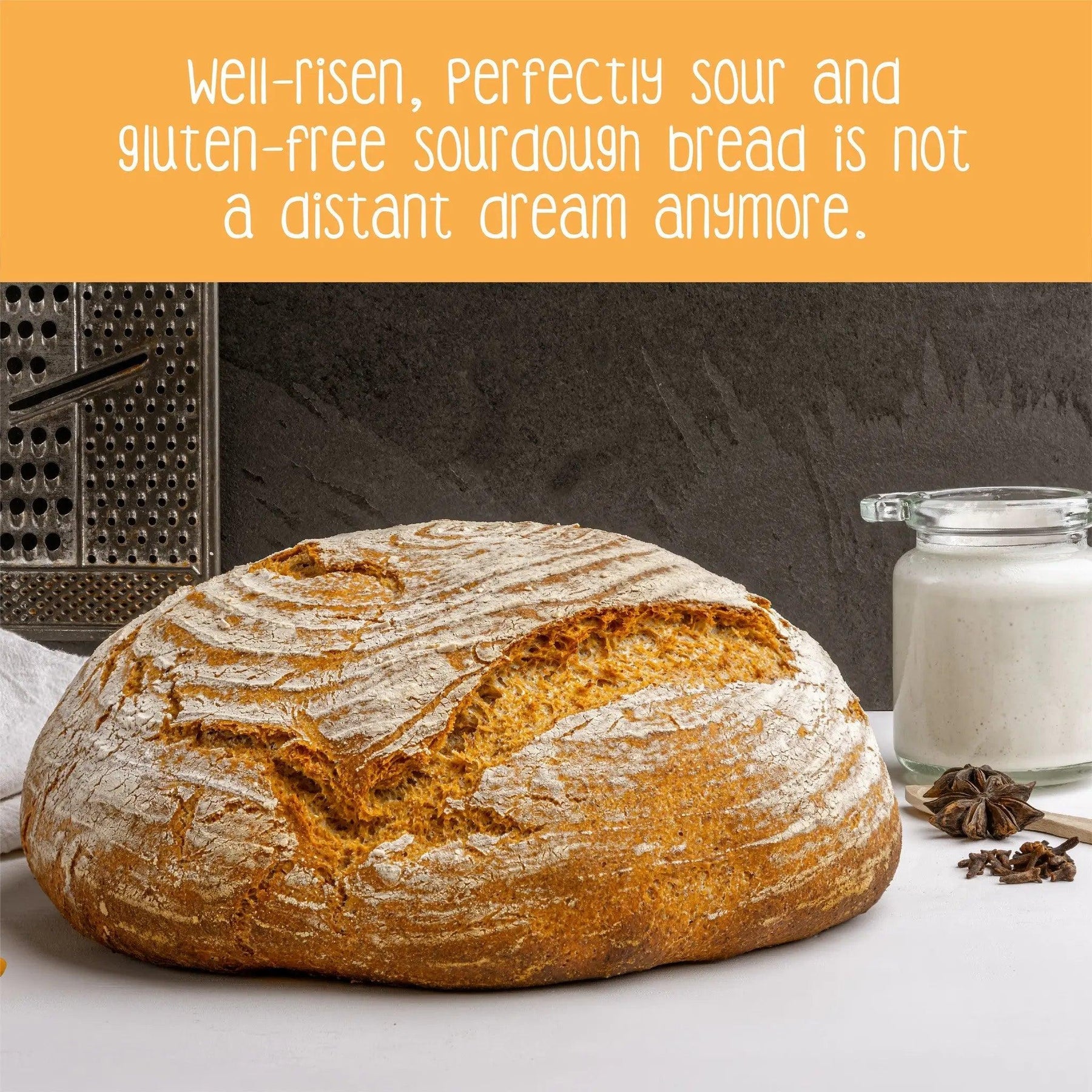
For people with celiac disease, gluten sensitivity, or wheat allergies, bread has historically meant settling for inferior commercial gluten-free loaves — dense, gummy, expensive, and packed with stabilisers and gums to compensate for the missing gluten structure. Real gluten-free sourdough is a different food entirely. Long fermentation builds genuinely complex flavour and structure from gluten-free flours that simply can't be matched by commercial baking.
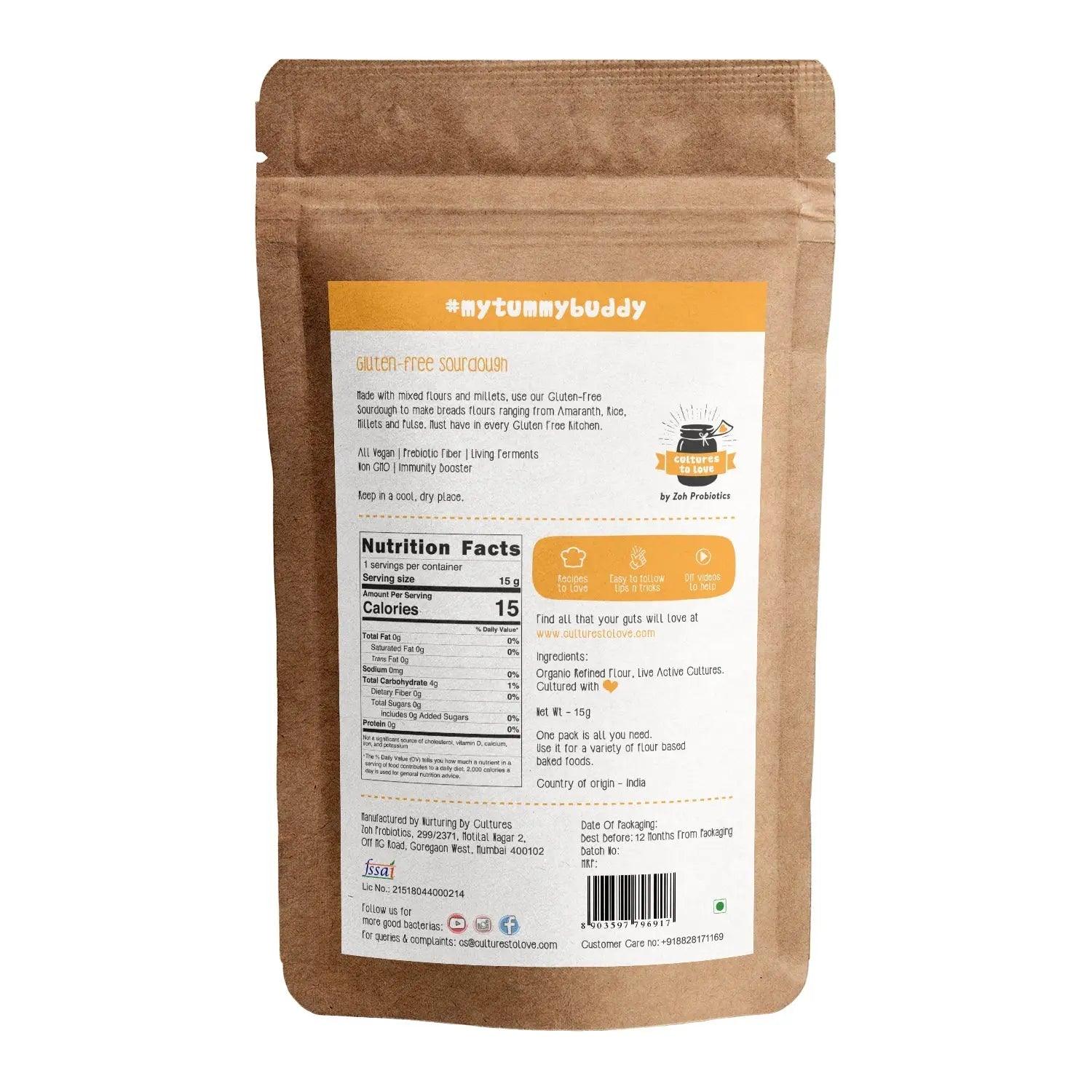
Zoh's Gluten-Free Sourdough Starter is cultivated entirely on gluten-free grains — brown rice, millet, ragi (finger millet), jowar (sorghum), and amaranth. It has never been exposed to wheat, barley, or rye, making it suitable for strict celiac diets when used with certified gluten-free flours. The result: real, fermented, fragrant, fluffy gluten-free bread you can actually be proud to serve.
What gluten-free sourdough actually delivers
Gluten-free sourdough is genuinely different from gluten-free commercial bread:
- Real flavour depth: Long fermentation produces complex, nutty, slightly tangy flavours that no commercial gluten-free bread can match
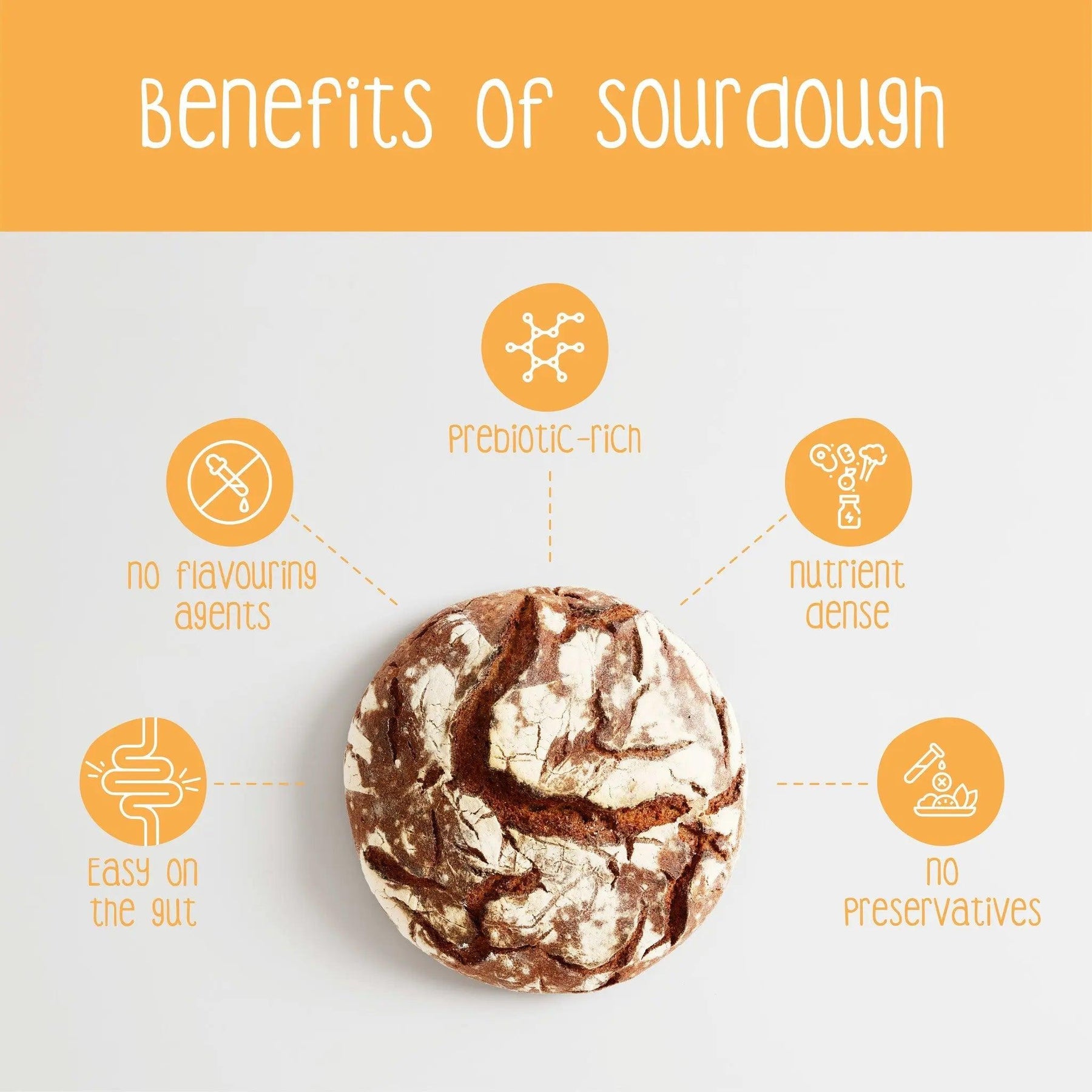
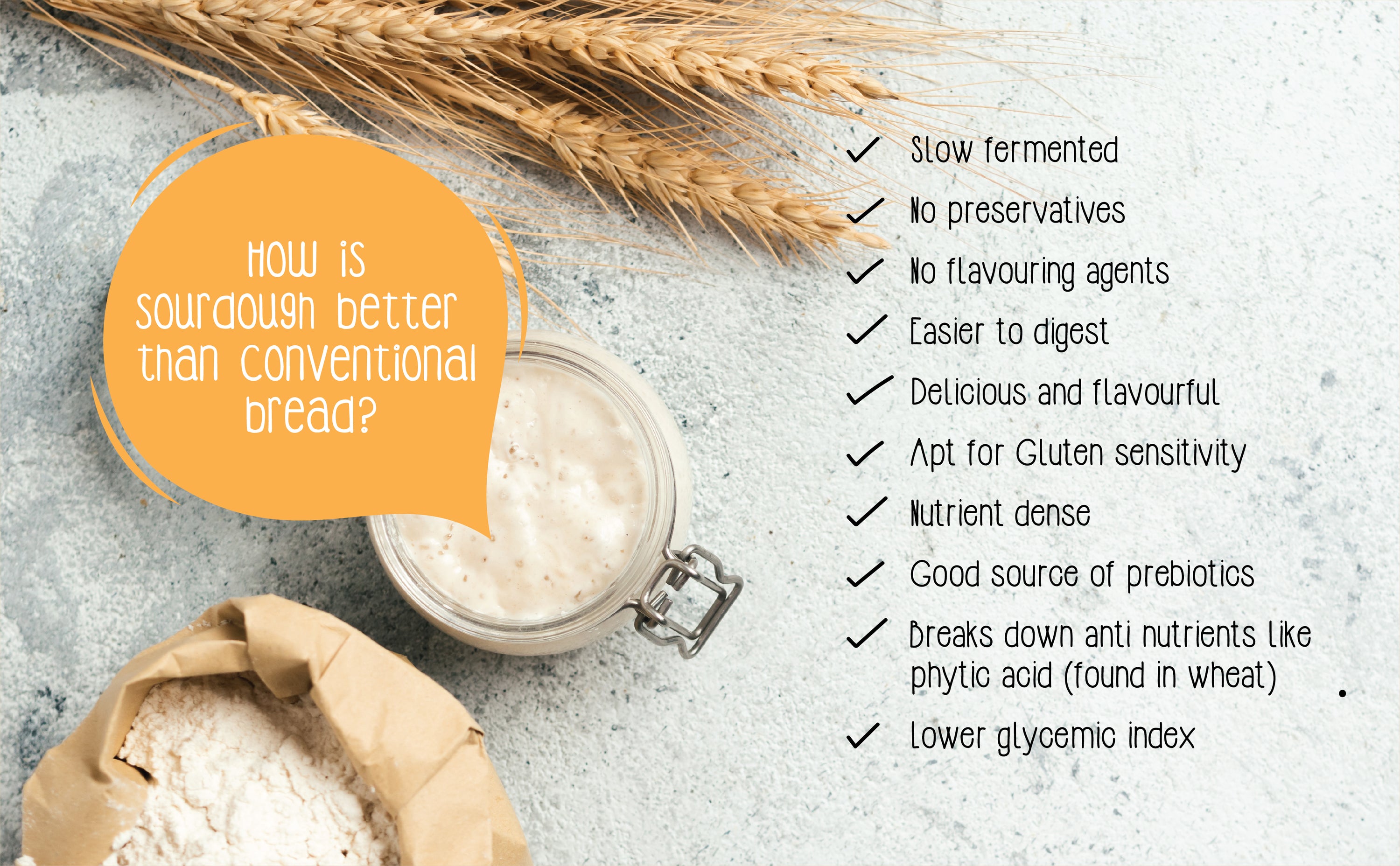
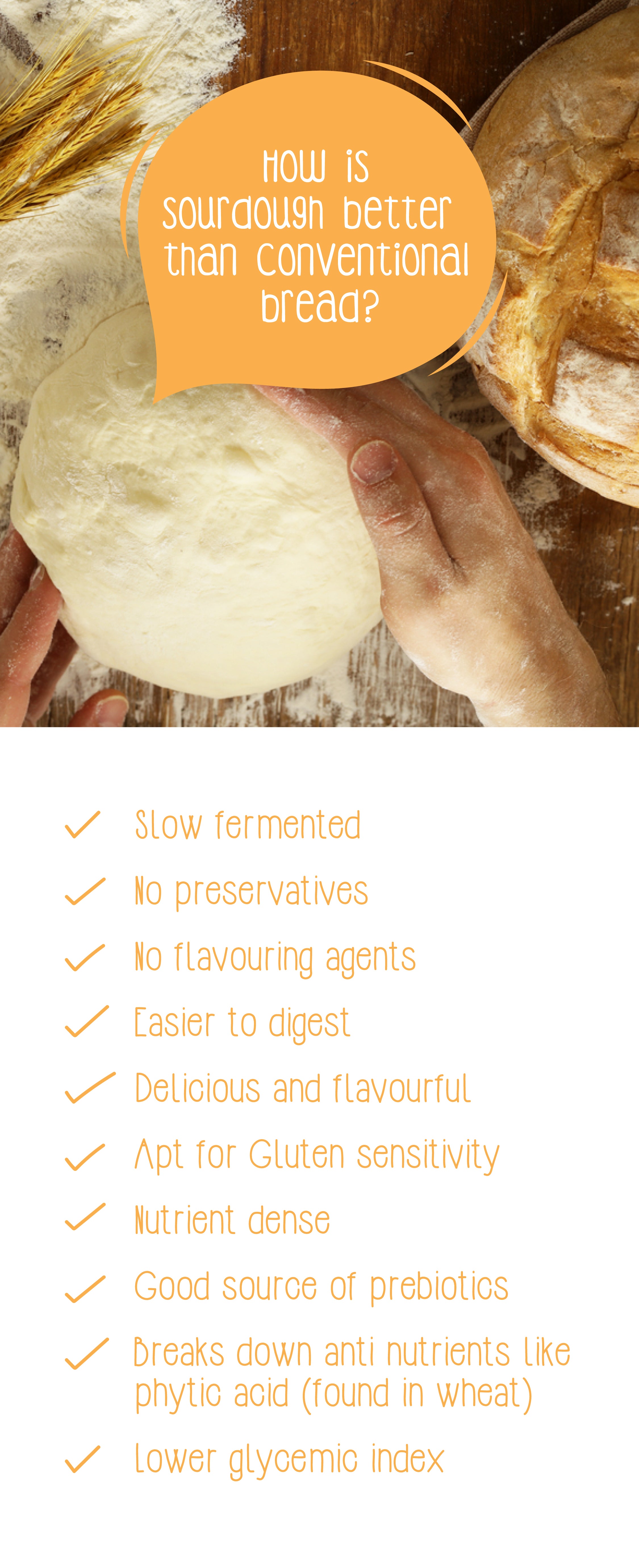
- Better digestibility: Sourdough breaks down phytic acid in gluten-free grains, dramatically improving mineral absorption (iron, zinc, magnesium)
- Lower glycaemic impact: Long fermentation reduces blood sugar spikes — important for diabetic-celiac dual-diagnosis households
- Free from gums and stabilisers: Most commercial gluten-free bread relies on xanthan gum, guar gum, methylcellulose. Sourdough's natural fermentation provides structure without additives.
- Proper probiotic content: Live cultures, not the dead pasteurised products on supermarket shelves
- Lasts properly: Sourdough's natural acids prevent mould and stale-staling for days, not hours
Gluten-free flours that work brilliantly
- Brown rice flour — the classic gluten-free sourdough base, mild and versatile
- Ragi (finger millet) — produces dramatically nutritious, deeply flavoured, calcium-rich bread
- Jowar (sorghum) — mild, slightly sweet, excellent for sandwich loaves
- Bajra (pearl millet) — traditional Indian millet, produces exceptional flavour
- Amaranth — high-protein, complete amino profile, produces unique flavour notes
- Buckwheat — robust, nutty, makes spectacular sourdough crackers and rustic loaves
- Quinoa flour — protein-rich, distinctive flavour
- Teff — the Ethiopian millet behind injera, produces complex sourdough loaves
- Blends — most gluten-free sourdough recipes use 2–3 flours blended for optimal flavour and structure
Avoid pure rice flour starches and tapioca/cassava flours — they lack the protein and minerals the cultures need. Use as small additions only.
What you can bake
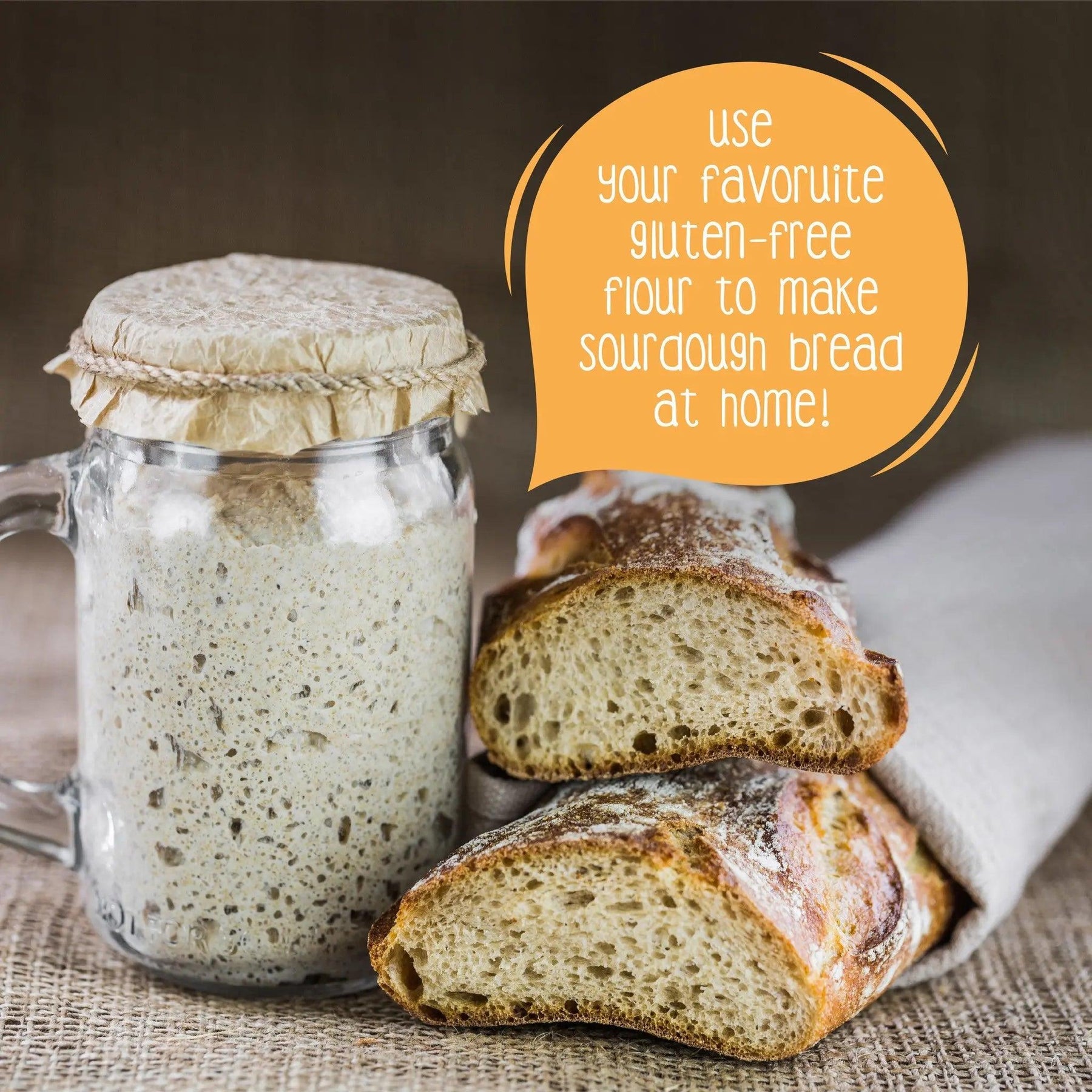
- Gluten-free country loaves — dense but flavourful artisan-style bread
- Pancakes and waffles — dramatically better than commercial GF mixes
- Crackers and crispbreads — a perfect use for starter discard
- Pizza bases — with the right blend, genuinely good gluten-free pizza is achievable
- Indian-fusion millet rotis — ragi rotis or jowar bhakri with sourdough fermentation are exceptional
- Injera-style breads — the original gluten-free fermented flatbread tradition
- Banana bread, muffins, scones — all benefit from gluten-free sourdough
Who is this for?
- People with celiac disease who haven't tasted genuinely good bread in years
- Households managing wheat allergies, gluten sensitivity, or NCGS
- Indian families managing celiac with traditional millets (ragi, jowar, bajra) — a particularly good fit
- Diabetic-celiac dual diagnoses needing both gluten-free AND low-GI options
- Health-focused households exploring ancient grain fermentation
- Bakers tired of supporting the commercial GF bread industry's gum-heavy formulations
- Indian, GCC, and SEA expats abroad with celiac who can't find good gluten-free bread locally
India's first fermentation cultures company. Trusted across the region.
Zoh is India's first fermentation cultures company — and the largest fermentation knowledge hub for South Asia, the Middle East, and Southeast Asia. Our gluten-free sourdough starter is cultivated entirely on gluten-free grains in a facility that handles other Zoh cultures. We use clean processes but cannot certify the facility as gluten-free — see safety FAQ below.
🌍 International shipping & delivery
We ship the next business day, every business day. Dehydrated gluten-free starter is shelf-stable for years at room temperature. Delivery times by destination:
- India: 1–4 business days · free shipping on most orders
- UAE, Saudi Arabia, Kuwait, Qatar, Oman, Bahrain: 5–9 business days
- Singapore, Malaysia, Indonesia, Thailand, Philippines, Vietnam, Hong Kong: 5–9 business days
- UK, Ireland, EU: 7–14 business days
- US, Canada, Australia, New Zealand: 7–14 business days
- Pakistan, Bangladesh, Sri Lanka, Nepal: 4–8 business days
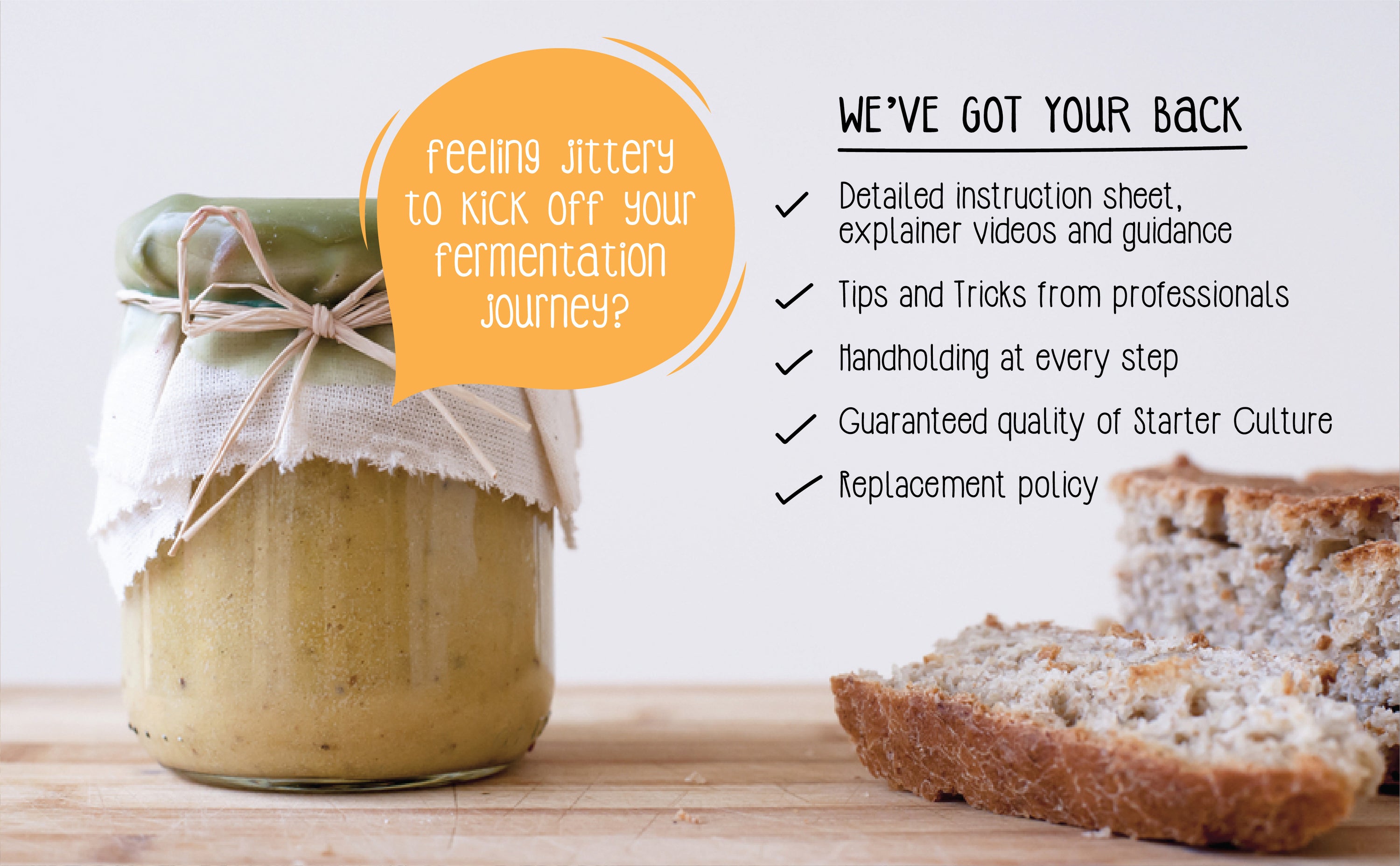
Replacement guarantee: If your starter doesn't show active bubbling within 5 days of revival attempts, email info@zohprobiotics.com with a photo and we'll reship at our cost.
Frequently Asked Questions
Is this safe for strict celiac diets?
Our gluten-free starter is cultivated entirely on gluten-free grains and has never been fed wheat, barley, or rye. However, our facility handles other fermentation cultures and we cannot guarantee zero cross-contamination at the trace level. For mild gluten sensitivity, this is generally not an issue. For diagnosed celiac disease, please consult your doctor and consider whether you're comfortable with this risk profile. Use only certified gluten-free flours for your bread to maintain the integrity of your bread once you have the starter.
Which flour blend should I start with?
The most successful beginner blend is 50% brown rice flour, 30% sorghum (jowar), 20% buckwheat or millet. This gives reliable structure, good flavour, and forgiving handling. Once comfortable, experiment with ragi for nutritional depth, teff for traditional injera-style loaves, or pure ragi flour for distinctively Indian gluten-free sourdough.
Why does gluten-free sourdough bread look denser than wheat sourdough?
Without gluten's elastic protein structure, gluten-free bread can't trap CO2 the same way wheat bread does — so the rise is smaller and the crumb is denser. This is normal and not a sign of failed fermentation. Adding psyllium husk to the recipe (5–10% of flour weight) dramatically improves loft and structure. Many gluten-free sourdough bakers consider psyllium the secret weapon.
How long until I bake my first loaf?
Revival from dehydrated starter takes 3–4 days for gluten-free starters — slightly longer than wheat starters because gluten-free flours have less wild microbiome to work with. Your first loaf can be baked on day 5. Plan for a week from opening the pack to first bread.
Will the starter survive shipping internationally?
Yes. Dehydrated sourdough starter is exceptionally shelf-stable and tolerates international transit easily, including warm climates. We ship to UAE, Saudi, Singapore, UK, US, Canada, Australia, and most countries without viability issues.
Is this better than commercial gluten-free bread?
For taste, freshness, and nutrient bioavailability — dramatically. Commercial gluten-free bread relies heavily on gums and starches; homemade sourdough uses real fermentation. The flavour difference alone is night and day. Many celiac customers tell us this is the first "real bread" they've eaten in years.
Clearing the Clutter
Comprehensive Guide to Kombucha Brewing Equipment
The Benefits of Brewing Kombucha with a Live SCOBY
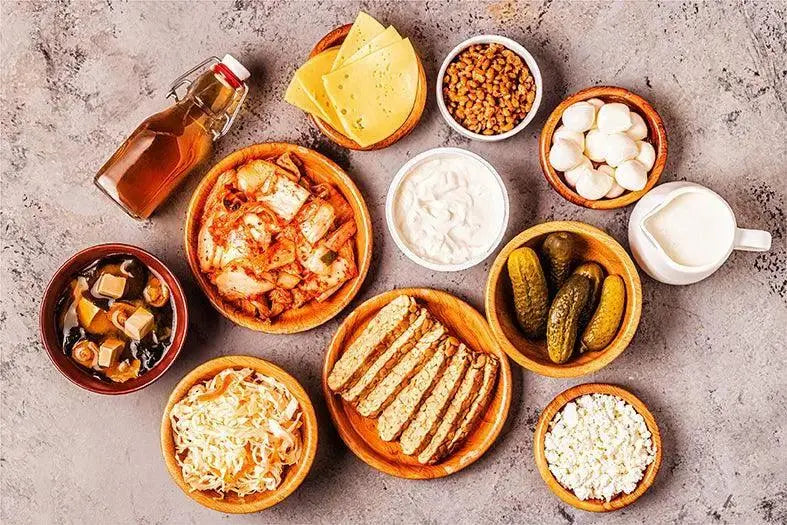
Role of fermented foods beyond preservation
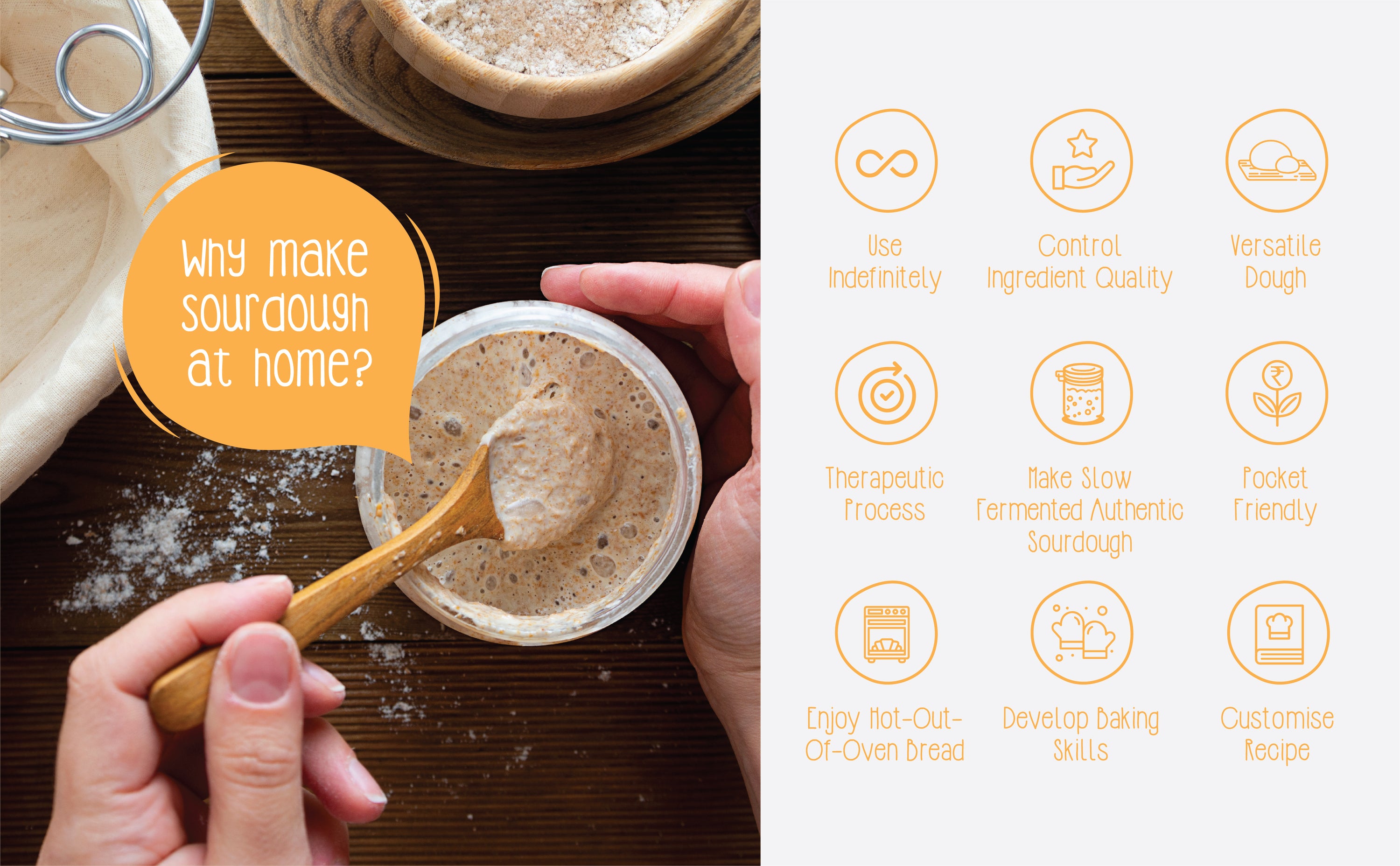
So simple to make sourdough
Activate the starter

Feed the starter - I

Feed the starter - II

Feed the starter - III
FAQ
Know your Ferments
Know your Facts
Is this starter good for long-term use?