

01
Heat, then cool
Prepare 500 ml milk, heating it as directed for your milk. Cool to 37–42°C before adding the culture.
Cart
Your cart is empty
Homemade yogurt starts here
Thick, creamy yogurt, made with your choice of dairy milk.
★ 4.9/5 · 851 customer reviews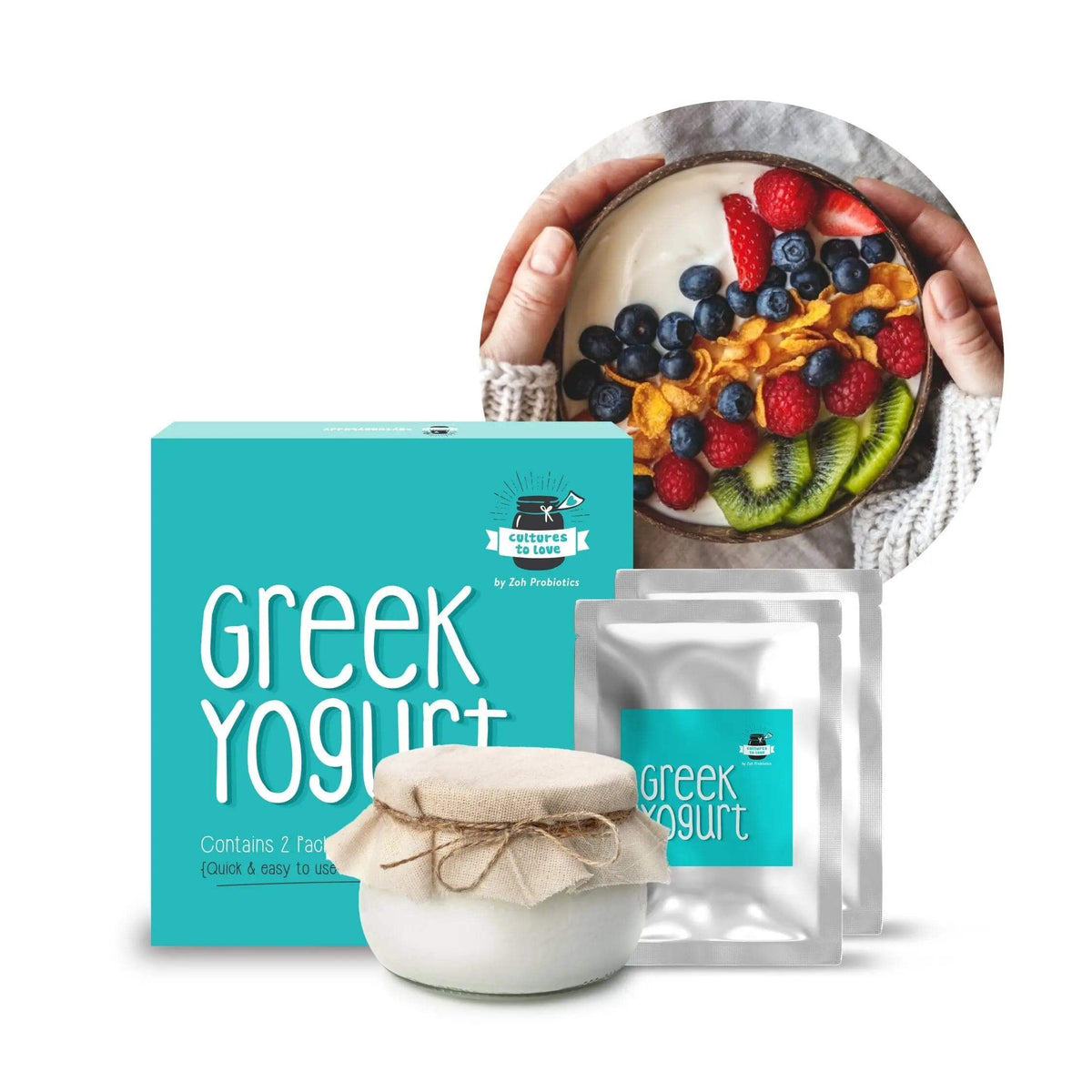
Make a creamy bowl for breakfast, dips or dessert. Let it set, refrigerate and eat—no sieving needed.
Free shipping on cultures in India · International shipping at checkout
Know what comes with your starter
Each box contains two 5 g sachets. Use one with 500 ml milk to start. Once you have a successful batch, reserve a little plain yogurt for reculturing and keep the second sachet sealed.
500 ml dairy milk, a clean jar and spoon, a thermometer, and a warm setup that maintains 37–42°C. A yogurt maker is optional; steady temperature is what matters.
Ingredients listed on the pack: organic milk and live active yogurt cultures. Contains milk; not suitable for a dairy-free or vegan diet.
Keep sealed sachets in a cool, dry place. Use by the best-before date on your pack. Refrigerate the finished yogurt.

Your first batch starts here
Start with 500 ml milk and one sachet. A thermometer and a steady warm setup help your first batch succeed.
Prepare 500 ml milk, heating it as directed for your milk. Cool to 37–42°C before adding the culture.
Stir one full sachet into the prepared milk using a clean spoon and jar.
Keep at 37–42°C. Start checking after 6 hours; if it has not set, check at 2-hour intervals. Timing varies.
Once the yogurt has set, refrigerate it and enjoy. No sieving needed.
Reserve 2 tablespoons of plain, successfully set yogurt before adding toppings. Use it for the next batch as instructed. Keep your second sachet for a fresh start.
Two ways to enjoy homemade yogurt
Choose it for a thick, creamy spoonful in breakfast bowls, dips and desserts.
Choose it for a mild, nutty, buttery flavour in everyday bowls, raita and lassi.
Both contain 2 × 5 g sachets, start with 500 ml milk per sachet, and can be recultured. Neither needs sieving. You can use either yogurt in these recipes; milk and method affect the final texture.
You’ve made the yogurt. Now make something delicious.
Quick recipes using your finished, chilled yogurt. Open a card for the ingredients and method.
200 g chilled Greek yogurt; ½ cup diced mango; 2 tbsp oats or granola; 1 tbsp chopped almonds.
Spoon the yogurt into a bowl. Add mango, oats and almonds. Taste before adding honey or another sweetener.
Kitchen tip: Swap mango for banana or any fruit you enjoy.
250 g thick Greek yogurt; 2 tbsp powdered sugar, or to taste; ¼ tsp cardamom; a few saffron strands soaked in 1 tsp warm milk; 1 tbsp chopped pistachios.
Whisk the yogurt with sugar, cardamom and the cooled saffron milk. Chill for 30 minutes. Top with pistachios and serve.
Kitchen tip: Use well-set, refrigerated yogurt for a creamy result. Mix gently to keep the texture.
200 g Greek yogurt; 1 small garlic clove, finely grated; 1 tbsp chopped dill or coriander; 1 tsp lemon juice; salt and pepper to taste.
Stir everything together. Taste and adjust the seasoning. Serve chilled with cucumber sticks, toast or warm pita.
Kitchen tip: Start with less garlic; you can always add more.
200 g Bulgarian yogurt; ½ cup finely chopped cucumber; ¼ tsp roasted cumin powder; 1 tbsp chopped mint or coriander; salt to taste.
Whisk the yogurt gently. Stir in cucumber, herbs, cumin and salt. Chill until serving.
Kitchen tip: Pat wet cucumber dry if you prefer a thicker raita.
200 g Bulgarian yogurt; 1 cup ripe mango; ¼ cup cold water, plus more if needed; a pinch of cardamom; sugar to taste, optional.
Blend until smooth. Add water a little at a time until it pours easily. Taste before sweetening and serve cold.
Kitchen tip: Use ripe mango for sweetness and a fuller flavour.
100 g Bulgarian yogurt; 1 tbsp olive oil; 1 tsp lemon juice; 1 tbsp chopped herbs; 1–2 tbsp cold water; salt and pepper.
Whisk everything together, adding just enough water to make it pourable. Spoon over a cucumber-tomato salad immediately before eating.
Kitchen tip: Keep chilled until serving; thin only as much as you need.
Start with properly prepared yogurt and clean utensils. Keep the finished recipes refrigerated. Serving images are illustrative.
Start simple. Experiment later.
Start with whole dairy milk for a straightforward first batch. Explore other milks once you know how your starter behaves.
An easy starting point for a creamy first batch. Use the heating and cooling instructions on your pack.
A richer result. Milk solids and fat affect the texture, so different milks will not set identically.
Lower-fat dairy can give a lighter texture. Both starters contain milk and are not suitable for a dairy-free or vegan diet.
Maintain 37–42°C while culturing. In winter or an air-conditioned room, use a yogurt maker or another controlled warm setup. In summer, check the milk temperature rather than assuming the room is right. Avoid direct sun and overheating.
What happens inside the jar
Yogurt bacteria use some of the milk’s lactose and produce lactic acid.
As acidity increases, milk proteins form the structure that gives yogurt its texture.
Once your yogurt has set, refrigerate and eat. Chilling helps firm the texture.
Milk brings protein and calcium; fermentation brings live cultures when they remain viable. Exact nutrition and culture counts vary with your milk, method and storage. Fermentation does not automatically make yogurt lactose-free.
Explore the science of live cultures ↗From other home kitchens
Food and kitchen images on this page are illustrative; customer reviews below are submitted by customers.
We want your yogurt to turn out well
Not sure about the set? Wondering whether your jar looks right? You don’t have to figure it out alone.
Tell us which milk you used, how warm you kept it and how long it cultured. We’ll help you work out the next step.
Help me with my yogurt ↗Our culture replacement promiseSome whey separation can happen. Stir it back into an otherwise normal batch if you like. You do not need to sieve the yogurt.
Refrigerate the yogurt before judging its final texture. Milk choice and culturing conditions affect the set; sieving is not required.
Fermentation time and temperature affect tartness. Follow the pack’s timing and refrigerate promptly once the batch is ready.
Before your first spoonful
Find the practical details here, from the first 500 ml batch to saving yogurt for the next one.
Two 5 g sachets of freeze-dried yogurt starter (10 g total). Use one sachet with 500 ml milk for your first batch. Milk and equipment are not included.
A sachet gives you a fresh starting culture for the yogurt you have chosen. Use Greek for a thick, creamy spoonful or Bulgarian for its mild, nutty, buttery flavour. Once your first batch succeeds, save plain yogurt to start the next one. Both need a steady 37–42°C during culturing.
No. With Zoh’s yogurt starters, let your yogurt set, refrigerate and eat. Sieving or straining is not a required preparation step.
Hung curd is made by draining whey from curd. Zoh’s Greek yogurt starter cultures milk directly; no sieving is required. Your milk and preparation affect the finished texture.
You need a clean jar, spoon, thermometer and a setup that maintains 37–42°C. A yogurt maker is convenient, but another temperature-controlled setup can work too.
Start with 500 ml milk and one complete sachet. Keep the second sachet sealed for a separate activation or a fresh start.
Keep the milk at 37–42°C and start checking after 6 hours. Setting time varies with milk, temperature and culture activity; if it has not set, check at 2-hour intervals. Refrigerate once set. Contact us if it is not setting as expected.
Yes. Reserve 2 tablespoons of plain, successfully set yogurt before adding toppings. Use it to culture your next batch following the supplied reculturing instructions. Keep the second sachet for a fresh start if results become inconsistent.
Your milk provides the protein. The amount varies with the milk and finished batch; using a Greek starter alone does not double the protein content.
For a straightforward first batch, culture plain milk and add fruit, sweeteners or spices after chilling. Reserve a plain portion first if you plan to reculture.
These starters contain milk. They are not dairy-free or vegan, even if added to plant milk. The ingredients listed on the packaging are organic milk and live active yogurt cultures.
Ingredients: organic milk and live active yogurt cultures. Contains milk. Keep sealed sachets in a cool, dry place and use by the best-before date. Bulgarian packaging also recommends keeping extra packets in the freezer. Refrigerate finished yogurt.
International shipping options and charges are shown at checkout. Culture orders ship free within India. Destination-specific availability and import requirements can vary.
Send your batch photo, milk, temperature and timing to support@zohprobiotics.com. We’ll help troubleshoot and replace the culture free if we identify a product fault. See our replacement policy for the conditions, including international shipping.
A little reading for your next batch

Get to know three different fermented foods and how they fit into your kitchen.
Read more ↗Explore the differences between these familiar milk ferments.
Read more ↗Read about fermentation, culture identity and the available evidence.
Read more ↗