Soy-Free Tempeh Starter Culture | Chickpea, Lentil, Millet | Zoh Probiotics
Make Soy-Free Tempeh from Any Pulse, Millet, or Seed at Home
🌍 Ships next business day worldwide · 🇮🇳 1–4 days India · 🇦🇪 5–9 days UAE · 🇸🇬🇲🇾🇮🇩🇹🇭🇵🇭 5–9 days SEA · 🇺🇸🇬🇧🇨🇦🇦🇺 7–14 days
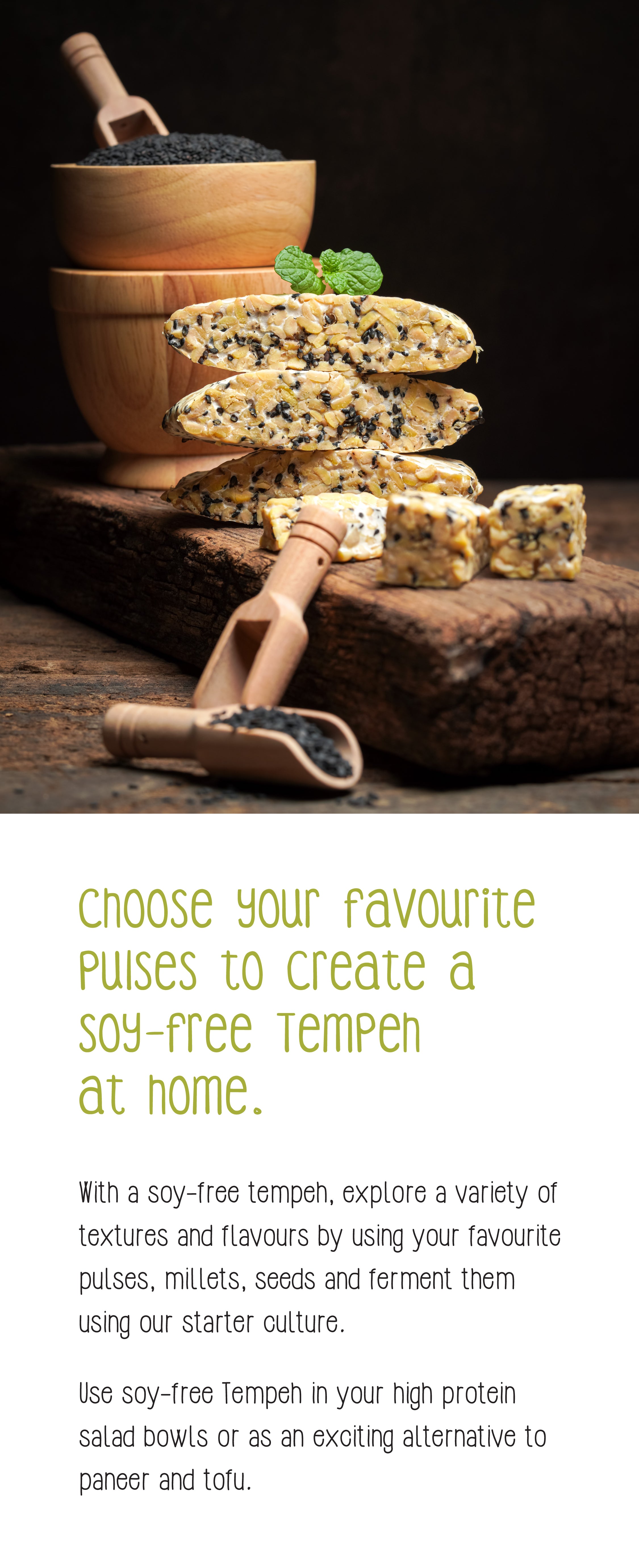
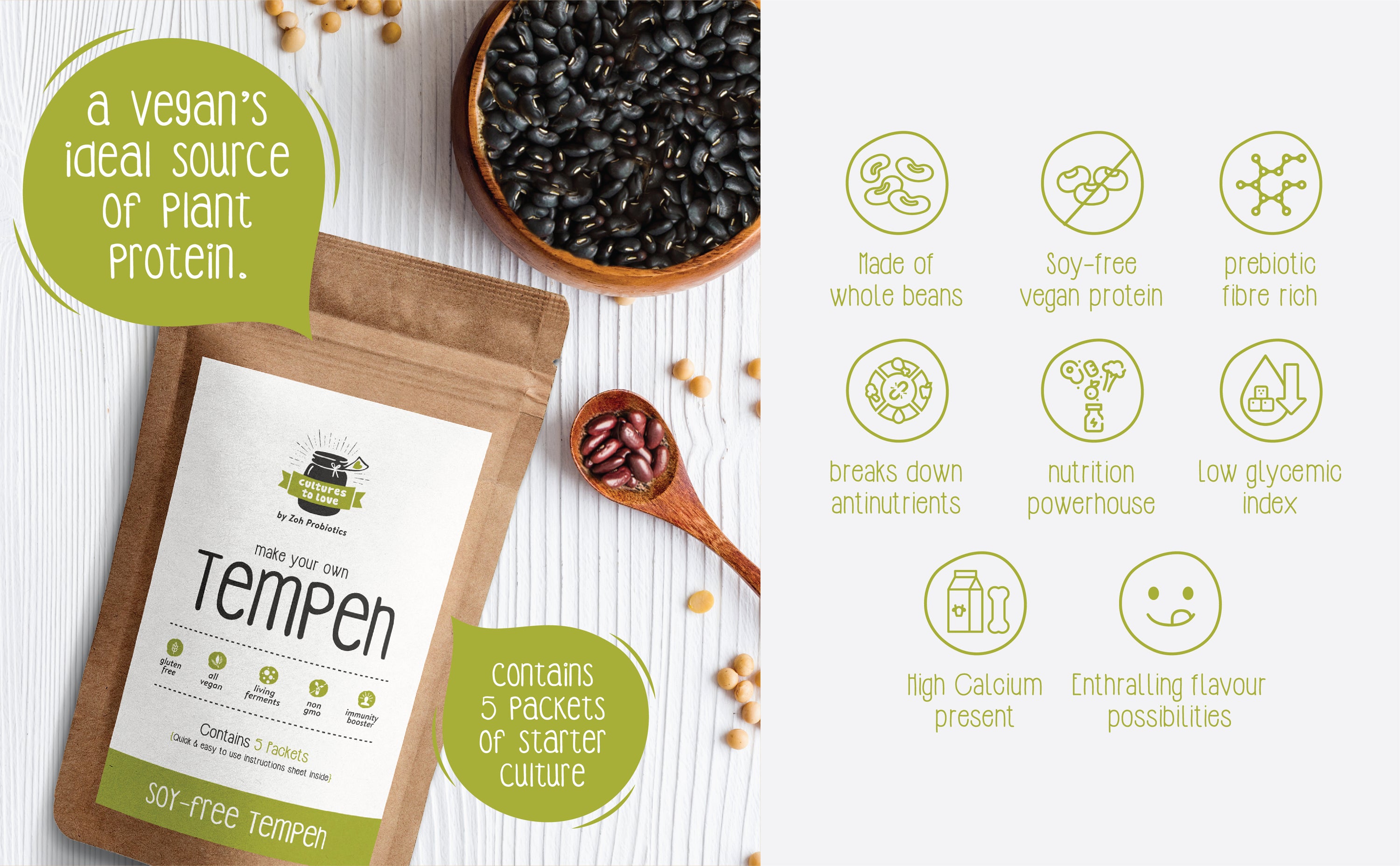
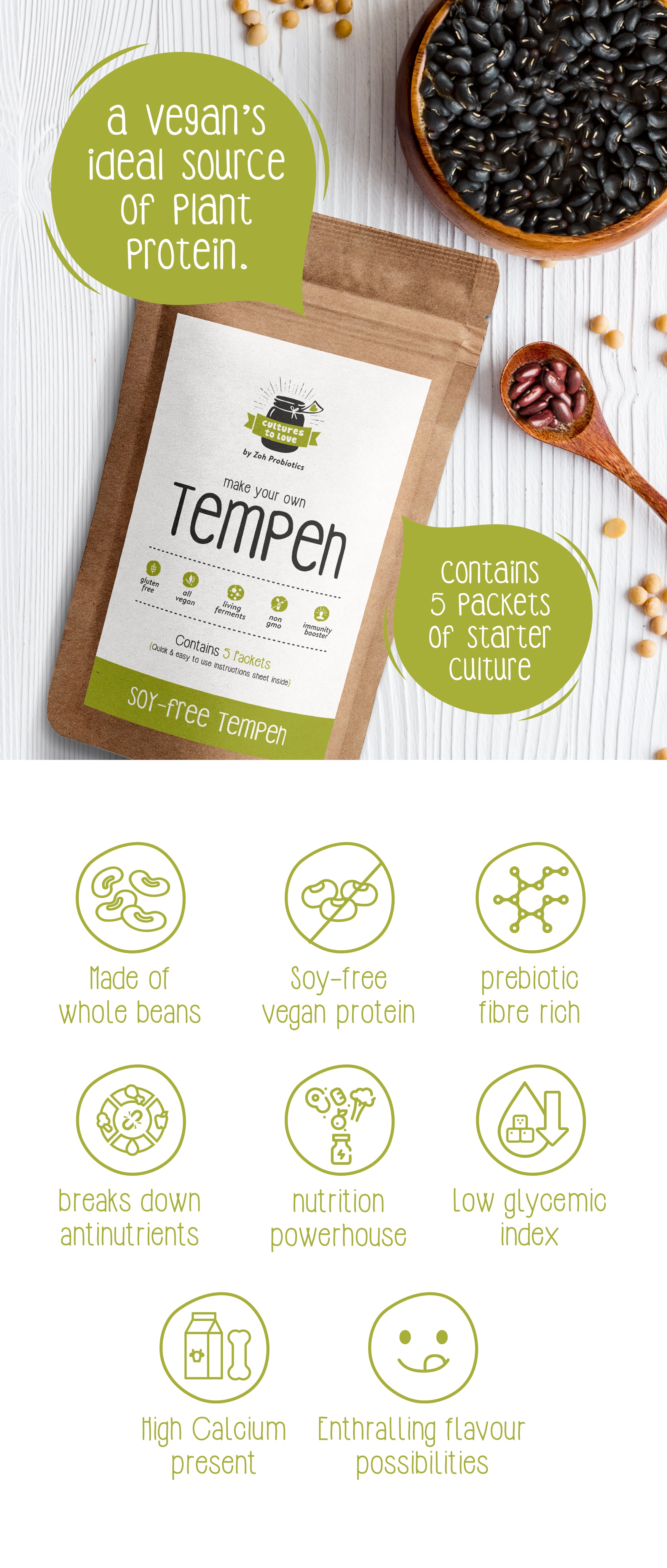
🌱 The Versatile Tempeh Starter Culture: Make protein-rich, probiotic tempeh from any combination of whole pulses, millets, or seeds — chickpeas, black beans, kidney beans, ragi, jowar, sunflower seeds, you name it. India's most flexible tempeh starter, and one of the only soy-free tempeh starter cultures available anywhere.
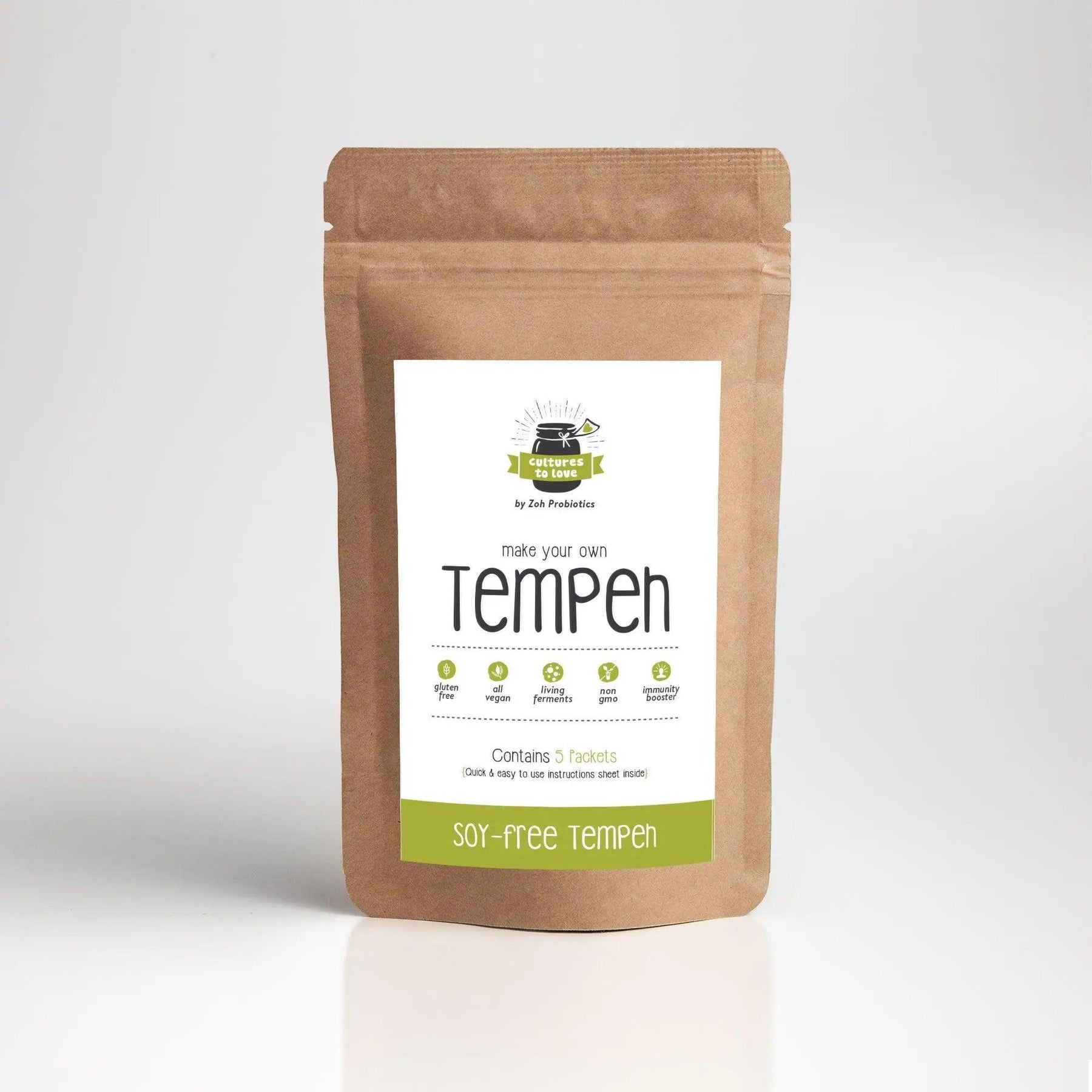
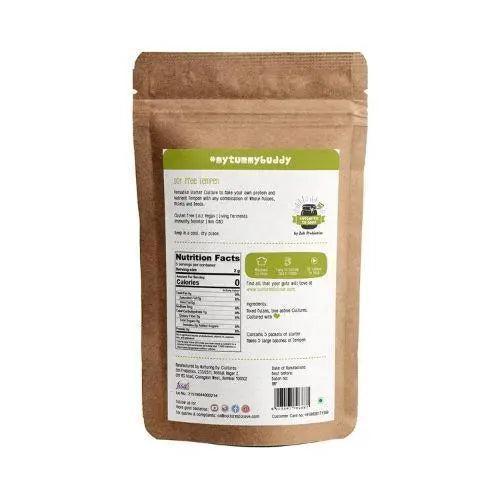
📦 What's in the Box: 5 packets of starter culture, each enough to ferment one large batch of homemade tempeh. Includes a printed step-by-step instruction sheet and free email support.
💪 Why Soy-Free Tempeh: If you have a soy allergy, follow a strict no-soy diet, or just want to expand your fermented protein options — this starter lets you craft tempeh that fits your needs while preserving all the gut-health, plant-protein, and prebiotic benefits.
🇮🇩 Traditional Method, Local Ingredients: Authentic Indonesian fermentation technique adapted for any pantry. Make chickpea tempeh in India and the GCC, black bean tempeh in the US, lentil tempeh in the UK, mung bean tempeh in SEA. The Rhizopus culture works across pulses, millets, and seeds.
♻️ Reusable Across Many Batches: Each packet ferments approximately 500g–1kg of cooked pulses or millets, yielding 600g–1.2kg of finished tempeh. That's roughly 5–8 kg of tempeh per pack of 5 sachets.
🌾 Lab-Tested & Safe: Each batch is third-party tested for safety. Gluten-free (depending on your chosen base ingredient) and non-GMO.
Why soy-free tempeh is genuinely rare — and why it matters
Almost all commercial tempeh, worldwide, is made from soybeans. People with soy allergies, those following AIP or paleo protocols, or anyone wanting variety in their plant proteins have very limited options. Zoh's soy-free starter is one of the only home-fermentation routes to tempeh from chickpeas, black beans, lentils, ragi, jowar, sunflower seeds, or pumpkin seeds. The result is firmer, often more flavourful, and equally nutritious tempeh built around whatever pulses and grains thrive in your region.
Best base ingredients by region
- India: Chickpeas (kabuli or kala chana), black gram (urad), ragi, jowar, mung beans — all produce excellent tempeh. Chickpea tempeh is widely loved by Indian home fermenters.
- UAE / GCC: Chickpeas, fava beans, lentils — ingredients already deeply familiar in regional cuisine. Fava bean tempeh is unusual but exceptional.
- SEA: Mung beans, black-eyed peas, local pulses. Indonesian non-soy tempeh traditions exist for some of these and are worth exploring.
- UK / EU: Chickpeas, lentils, butter beans, fava beans. Lentil tempeh is particularly successful in cooler climates.
- US / Canada / Australia: Black beans, pinto beans, lentils, sunflower seeds. Sunflower seed tempeh is a favourite among grain-free fermenters.
Who is this for?
- Anyone with a soy allergy or sensitivity who has previously been excluded from tempeh entirely
- People on AIP, paleo, or strict no-soy diets seeking real fermented protein
- Vegan athletes and fitness-focused households needing protein variety
- Indian households wanting to make tempeh from familiar pulses (chickpeas, mung, ragi)
- Adventurous fermenters who want to push beyond the soybean default and explore what regional pulses can become
- Cooks looking for unique high-protein ingredients for vegan/vegetarian menus
India's first fermentation cultures company. Trusted across the region.
Zoh is India's first fermentation cultures company — and the largest fermentation knowledge hub for South Asia, the Middle East, and Southeast Asia. Our soy-free tempeh starter contains Rhizopus oligosporus strains specifically selected for their performance on non-soy substrates. Third-party tested for purity, viable spore count, and contaminant absence.
🌍 International shipping & delivery
We ship the next business day, every business day. Freeze-dried tempeh starter is shelf-stable at room temperature for up to 12 months and survives international transit easily. Delivery times by destination:
- India: 1–4 business days · free shipping on most orders
- UAE, Saudi Arabia, Kuwait, Qatar, Oman, Bahrain: 5–9 business days
- Singapore, Malaysia, Indonesia, Thailand, Philippines, Vietnam, Hong Kong: 5–9 business days
- UK, Ireland, EU: 7–14 business days
- US, Canada, Australia, New Zealand: 7–14 business days
- Pakistan, Bangladesh, Sri Lanka, Nepal: 4–8 business days
Customs: Freeze-dried Rhizopus starter is classified as a food culture and clears customs without issue. Full documentation included.
Replacement guarantee: If your starter doesn't successfully ferment a batch within 48 hours of your first attempt, email us at info@zohprobiotics.com with a photo and we'll reship at our cost.
🌾 Want classic Indonesian-style soybean tempeh? Try our Soy Tempeh Starter — the traditional, authentic Indonesian-style starter optimised for soybeans.
Frequently Asked Questions
What pulses or seeds work best for soy-free tempeh?
Chickpeas (kabuli or kala chana), black beans, kidney beans, and white beans give the firmest, most traditional tempeh texture. Mung beans and lentils work but yield softer results. For a unique twist, try ragi (finger millet), jowar, sunflower seeds, or pumpkin seeds — or blends of any of these.
How is this different from your regular Soybean Tempeh Starter?
Both produce tempeh, but this soy-free starter is specifically optimised to ferment non-soy bases (pulses, millets, seeds). The cultures are tuned for the different nutrient profiles of these ingredients. If you're making soybean tempeh, use the regular starter — for everything else, use this one.
How long does fermentation take?
Typically 24–48 hours at warm room temperature (around 30°C). Indian summer temperatures are ideal — your tempeh will be ready faster. In cooler weather, an oven with the light on works perfectly as a fermentation chamber.
What equipment do I need?
Just a regular kitchen: a pressure cooker or pot to cook the pulses, perforated zip-lock bags or banana leaves to ferment in, and a warm spot. No fancy equipment required.
How long does the starter last?
12 months in the freezer, 6 months in the fridge, 2–3 weeks at room temperature. Each pack contains 5 sachets — open one at a time and store the rest cold.
Will the starter survive shipping to UAE / Singapore / EU / US?
Yes. Rhizopus oligosporus spores are extremely resilient — freeze-dried, they tolerate weeks of room-temperature transit including tropical heat. We ship internationally without issue and replace at our cost if the first batch fails to ferment.
Clearing the Clutter
Article
Article
Article
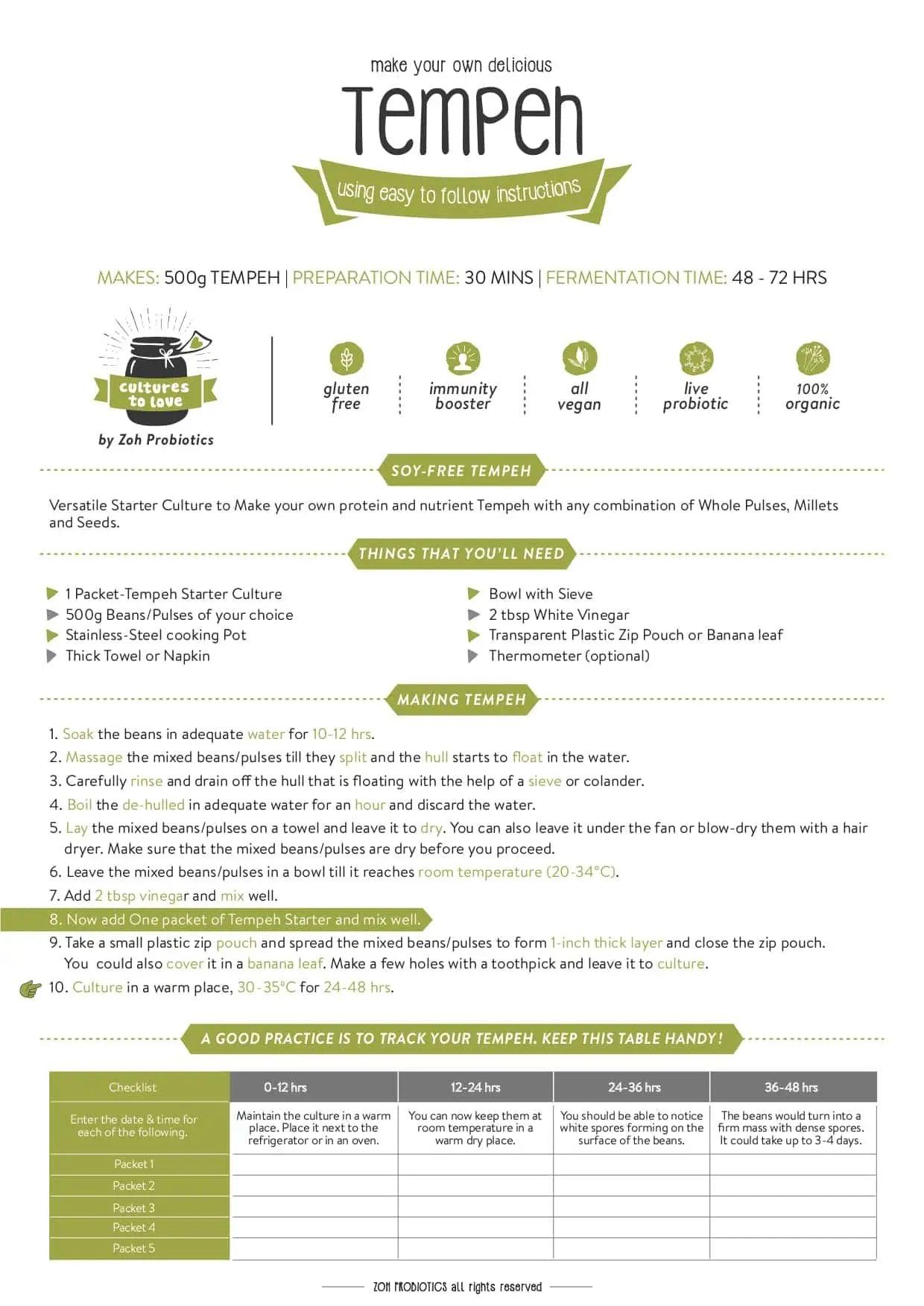
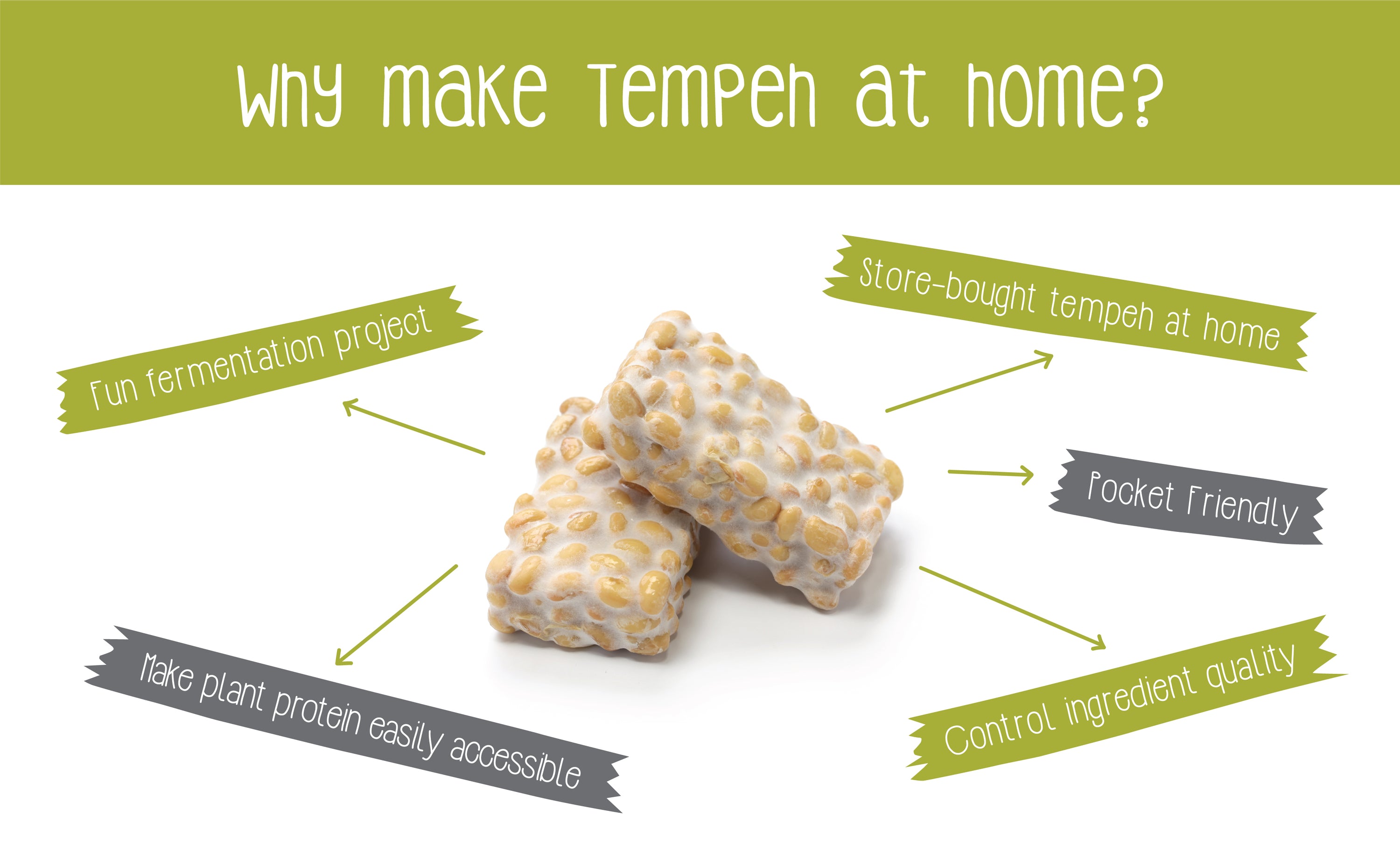
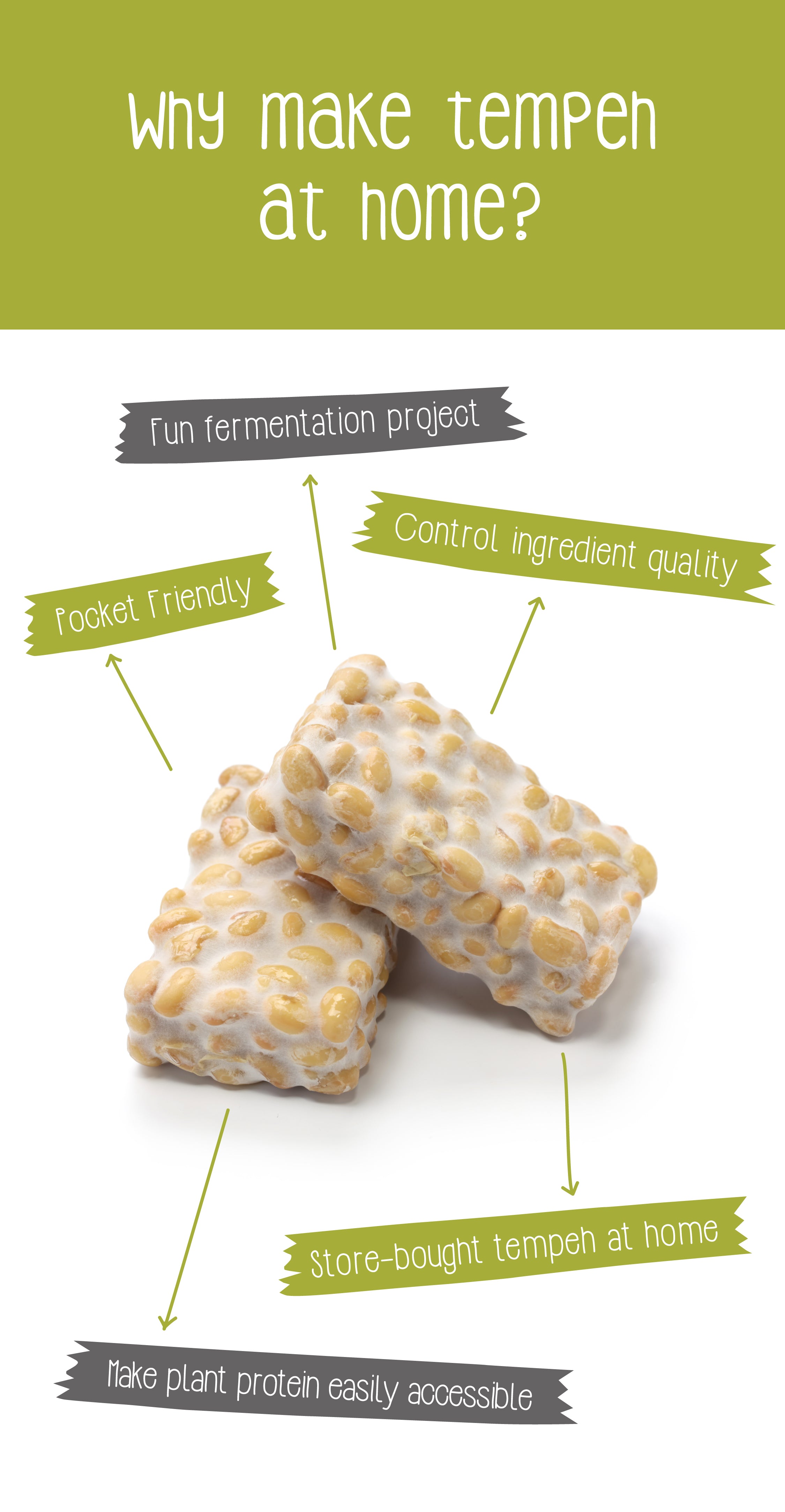
So Simple to make Tempeh

Prep beans/pulses

Cook the beans
Drying
Add Starter culture