

Kombucha SCOBY | Live Starter Culture | Brew Unlimited Kombucha | Zoh Probiotics
India's first Kombucha SCOBY — cultivated, lab-tested, ready to brew
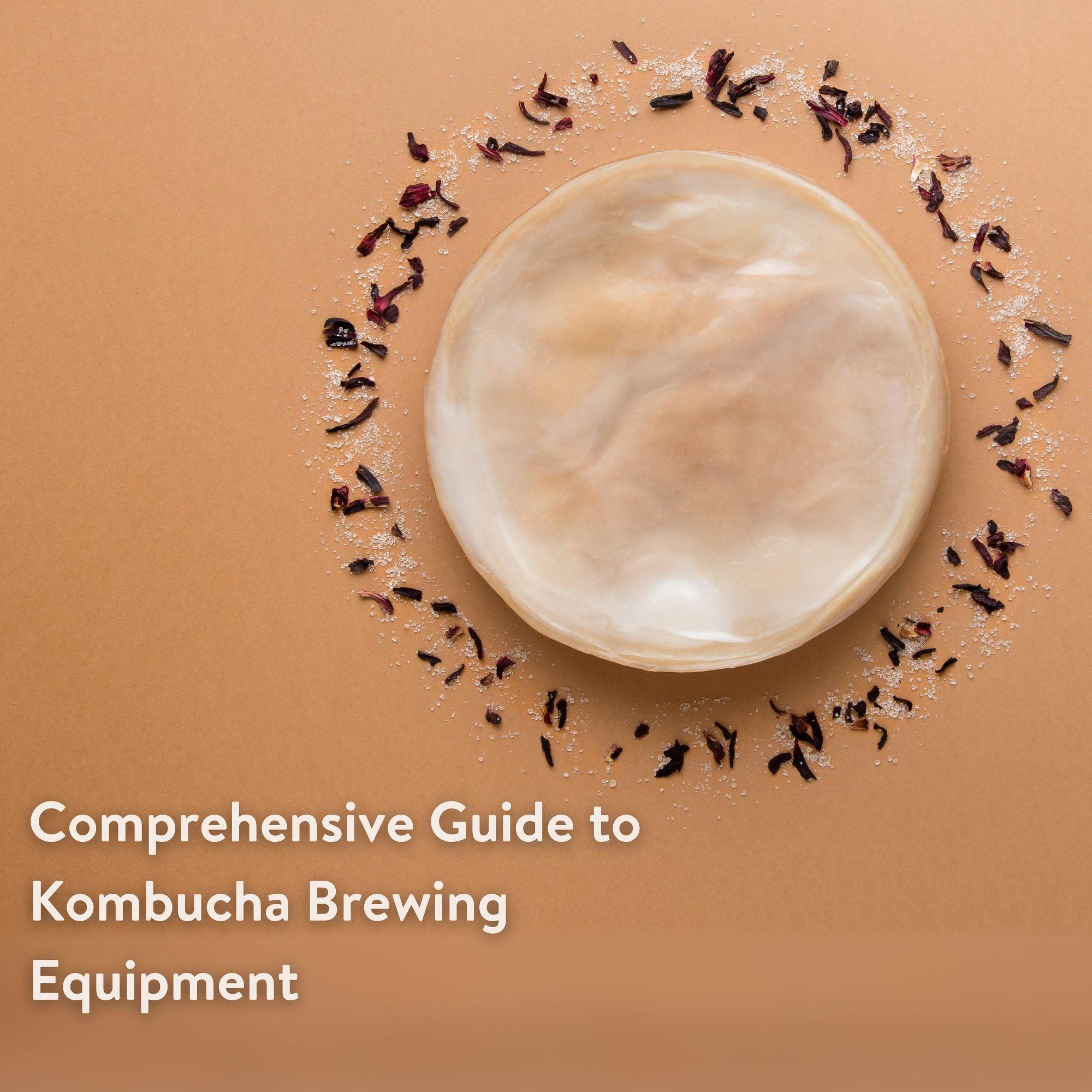
A Kombucha SCOBY (Symbiotic Culture of Bacteria and Yeast) is not an ingredient. It is a living organism — a community of beneficial bacteria and wild yeasts that transform sweetened tea into kombucha. One healthy SCOBY can produce unlimited batches of homemade kombucha for years, growing thicker and stronger with every brew.
Zoh Probiotics has been India's first fermentation cultures company since 2017. Our Kombucha SCOBYs are cultivated in our Mumbai facility, lab-tested before every dispatch, and shipped in 250ml of mature starter liquid that protects the culture through transit. Each order includes a detailed brewing guide written for Indian, GCC, and Southeast Asian climates — guidance no Western brand or Amazon reseller can match.
What makes a Zoh SCOBY different
Professionally cultivated, not crowdsourced. Most SCOBYs sold online in India come from home brewers reselling daughters from their own brews. Quality varies wildly. Ours are grown in temperature-controlled conditions, with documented lineage going back to our founding cultures. Every batch is third-party tested for purity before it ships.
Arrives with full 250ml of starter liquid. The starter liquid is not packaging — it is your first defence against contamination. At pH 2.5–3.0, the acidic starter immediately drops your brew's pH below the level where harmful bacteria can survive. SCOBYs shipped without adequate starter liquid have a much higher failure rate. We never skimp on this.
India-specific guidance. Mumbai monsoons, Delhi summers, Bangalore winters, AC rooms, UAE indoor brewing, Singapore tropical humidity — every climate ferments kombucha differently. Our brewing guide tells you exactly what to expect in your region, when to taste-test, and how to adapt your process. No imported guide can do this.
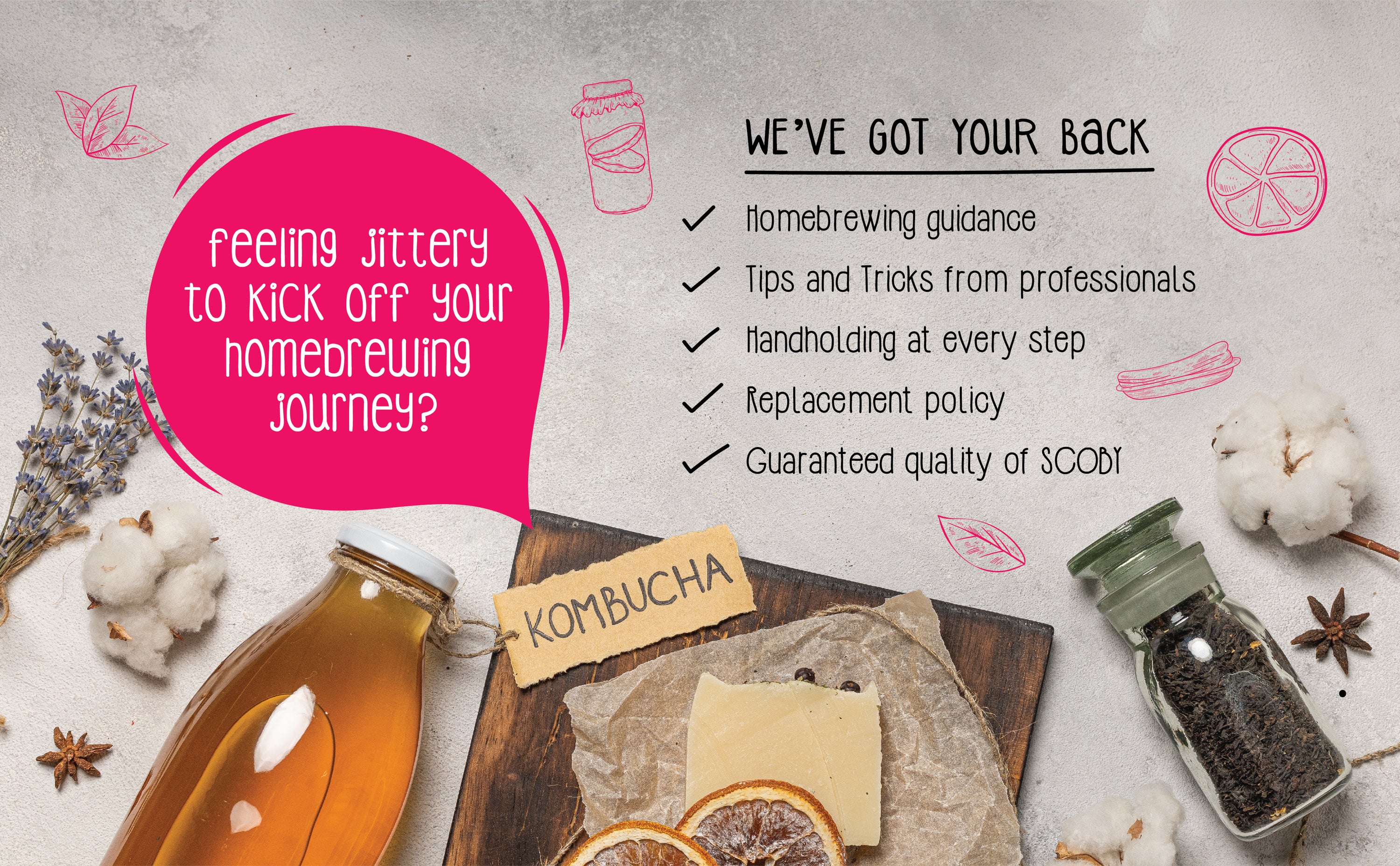
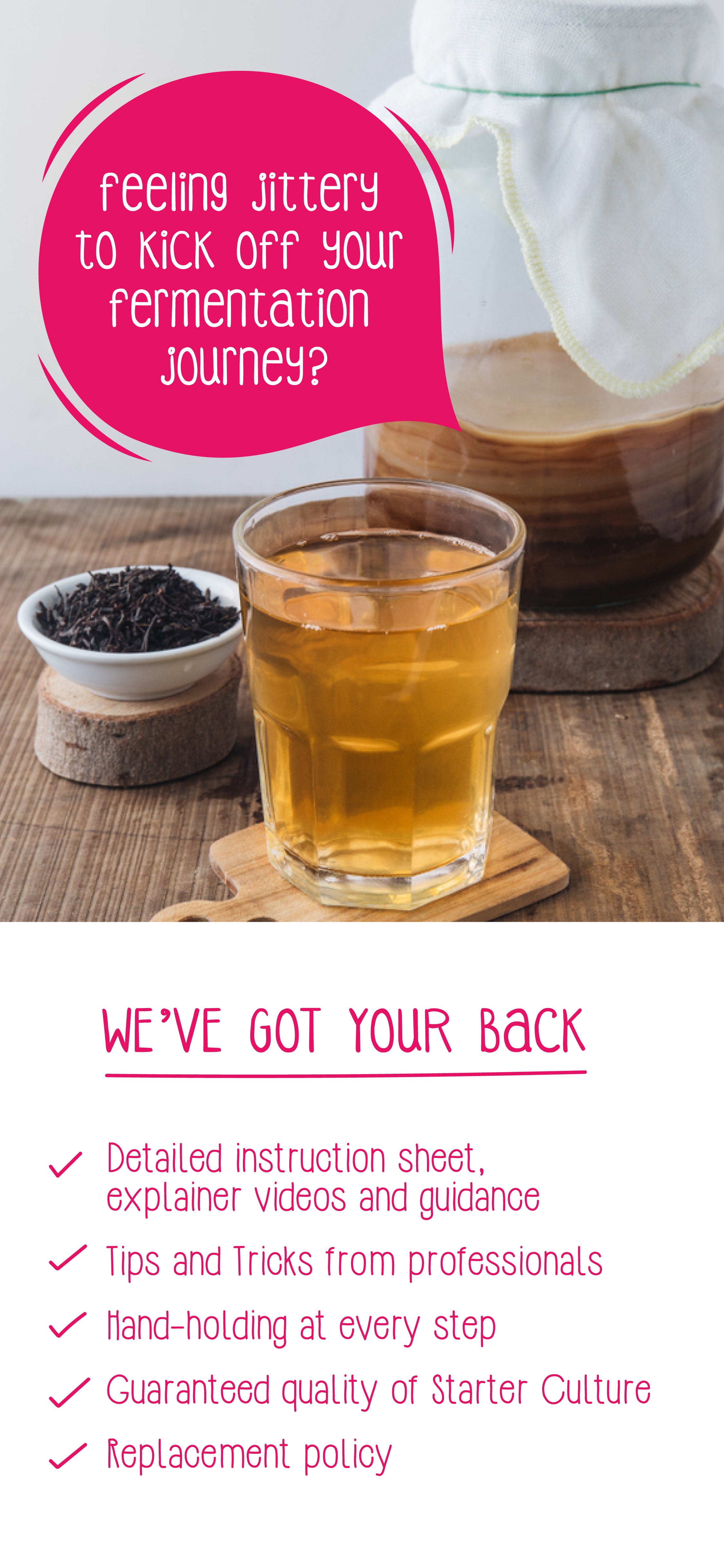
Replacement guarantee. If your SCOBY is not viable on arrival, we reship at our cost. No questions, no proof requests. Live cultures occasionally don't survive transit despite our best efforts — when that happens, it's our responsibility to make it right.
What lives inside your SCOBY
A healthy Kombucha SCOBY contains four primary microbial groups working in symbiosis:
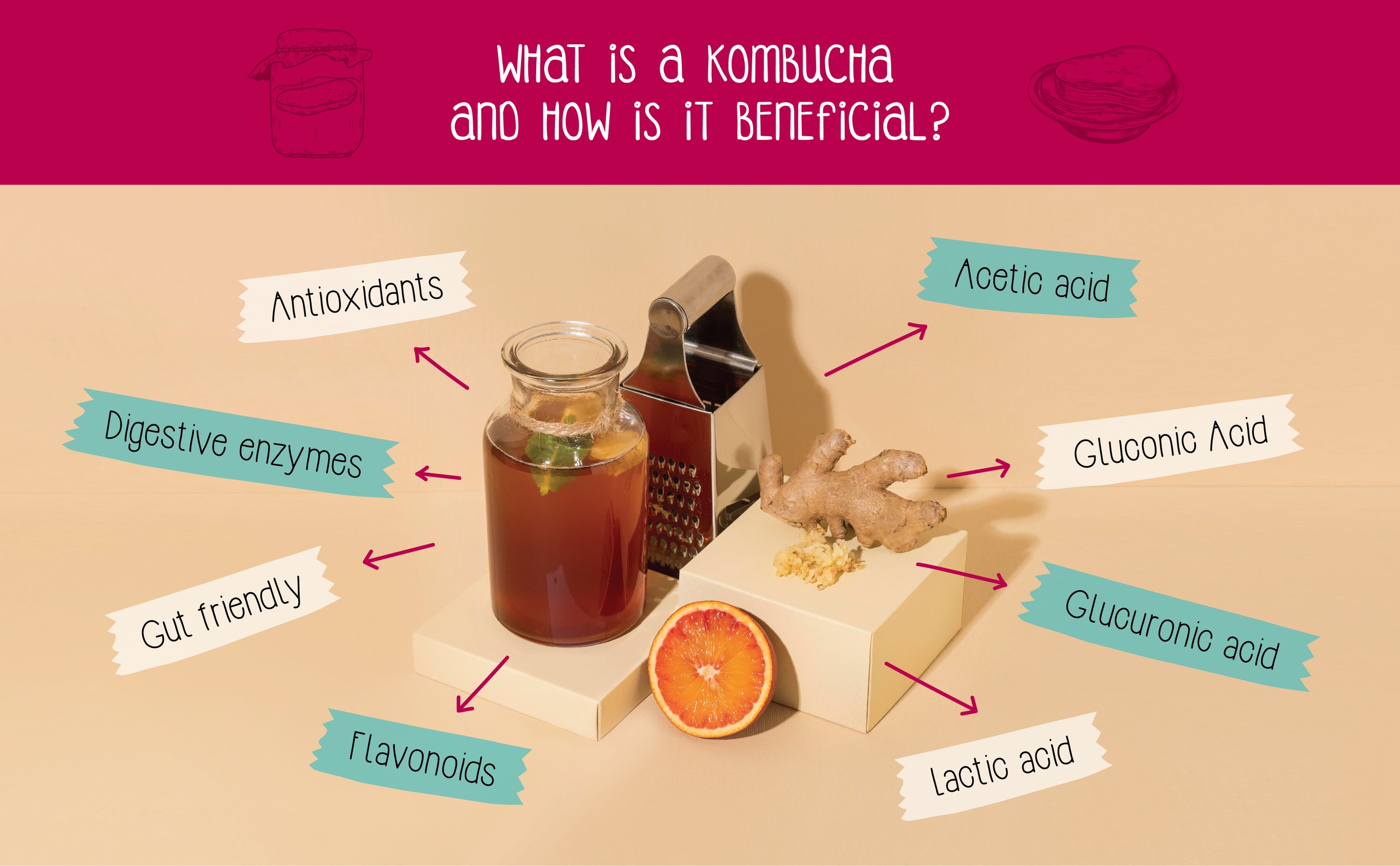
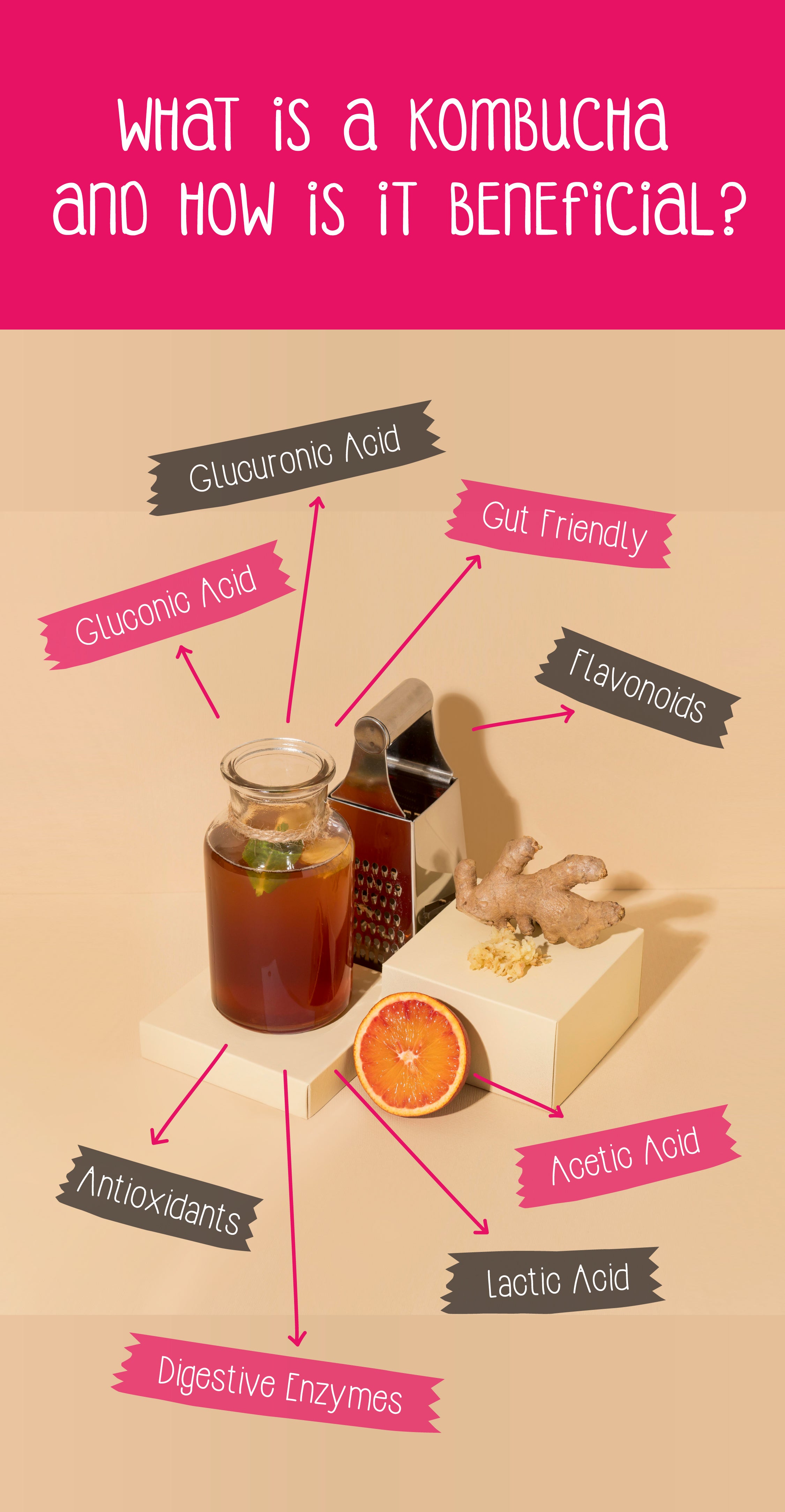
- Acetobacter xylinus — the architect bacteria that produces acetic acid (kombucha's characteristic tang) and synthesises the cellulose matrix you can see and hold
- Gluconobacter oxydans — produces gluconic acid, a prebiotic that feeds the Bifidobacterium in your gut
- Lactobacillus species — produces lactic acid and bacteriocins; the genus behind kefir's well-documented probiotic effects
- Zygosaccharomyces and wild yeasts — produce the natural carbonation, trace ethanol, and complex flavour esters that make each batch unique
Together these microbes produce a brew at pH 2.5–3.5 containing organic acids, B vitamins (B1, B2, B6, B12), digestive enzymes, antioxidants from the tea base, and a diverse community of live cultures — none of which survive the pasteurisation process used by commercial kombucha brands.
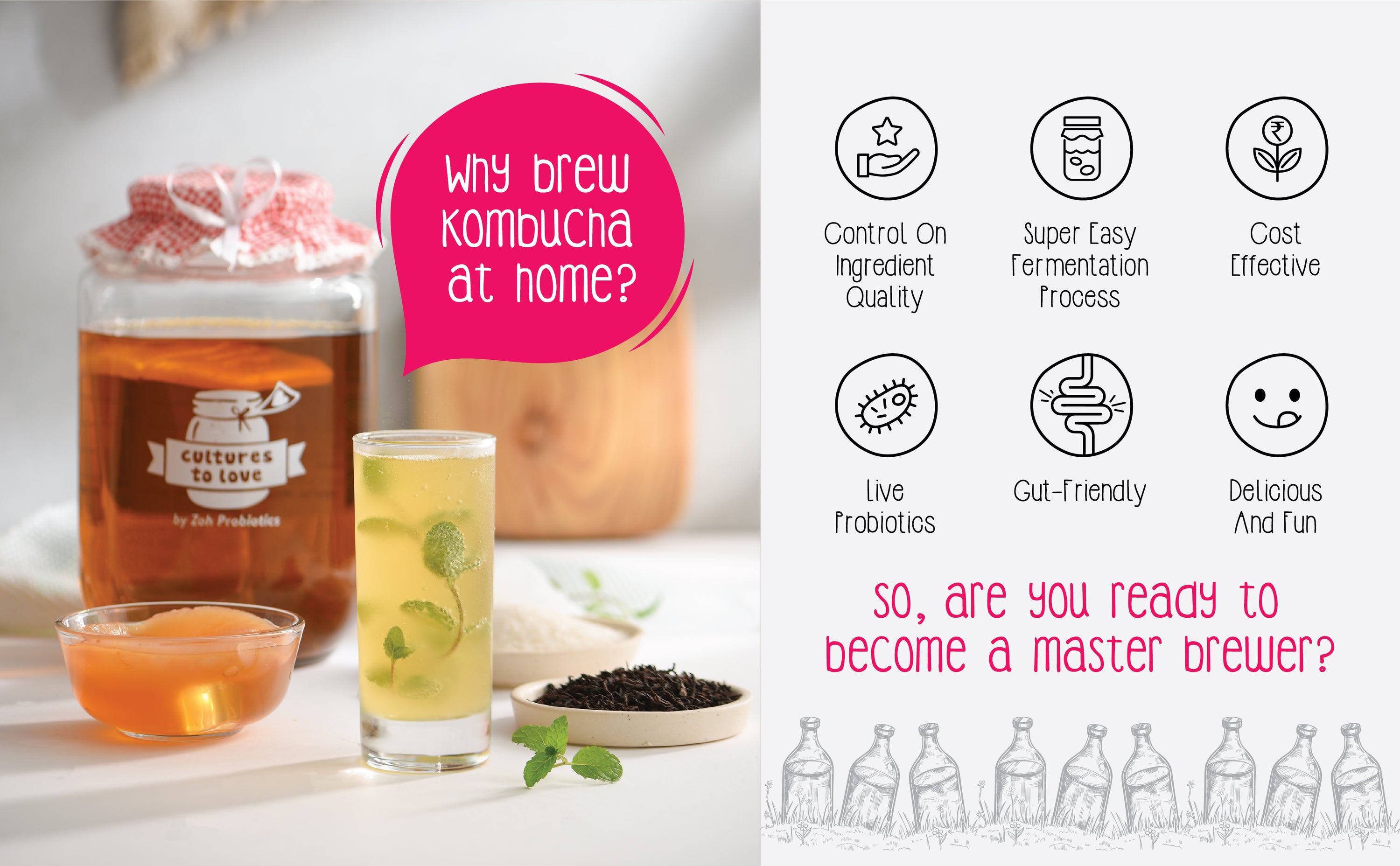
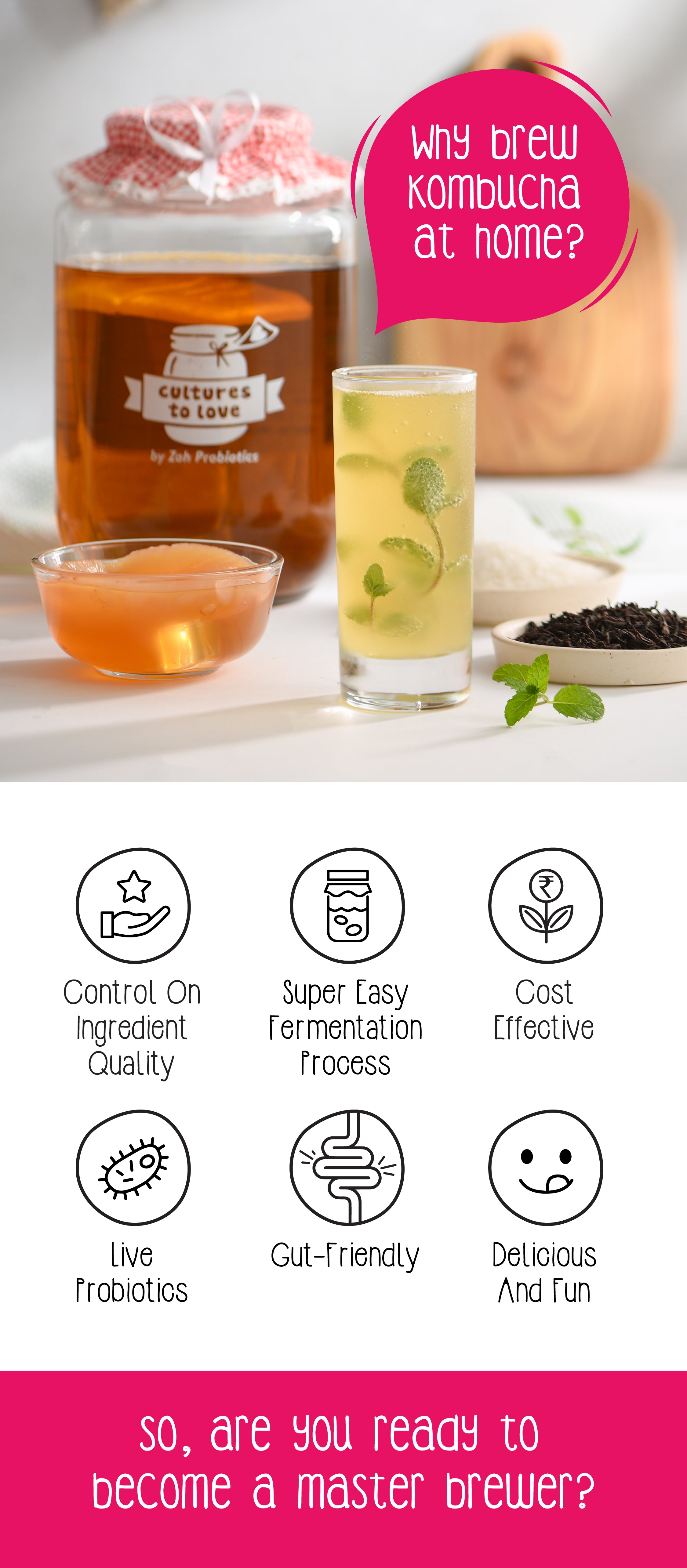
Why brewing kombucha at home is worth it
Store-bought kombucha in India retails between ₹150–₹250 per 250ml bottle. Most of it is pasteurised, killing the live cultures that are kombucha's primary benefit. Home-brewed kombucha is alive, customisable, and dramatically cheaper.
The economics: a Zoh SCOBY at ₹666 can produce roughly 1 litre of kombucha every 7–10 days indefinitely. Your only ongoing costs are tea (~₹3 per litre) and sugar (~₹3 per litre). At 3 bottles of kombucha per week, you save roughly ₹22,000–₹40,000 per year depending on your store-bought price.
Beyond cost, home brewing gives you flavour freedom: ginger-lemon, rose-cardamom, hibiscus, tamarind-jaggery, Kashmiri Kahwa with saffron and cardamom, mango during summer. Each second-ferment opens a new flavour world. No commercial brand offers this range.
How to brew kombucha in 4 steps
Step 1: Make sweet tea. Bring 1 litre of water to a boil. Add 4 tablespoons of white cane sugar and stir until dissolved. Add 2 tablespoons of black tea (Assam or Darjeeling work beautifully) or 2 tea bags. Steep for 10–15 minutes, then remove the tea. Allow the sweet tea to cool completely to room temperature — this is critical; hot tea kills the SCOBY instantly.
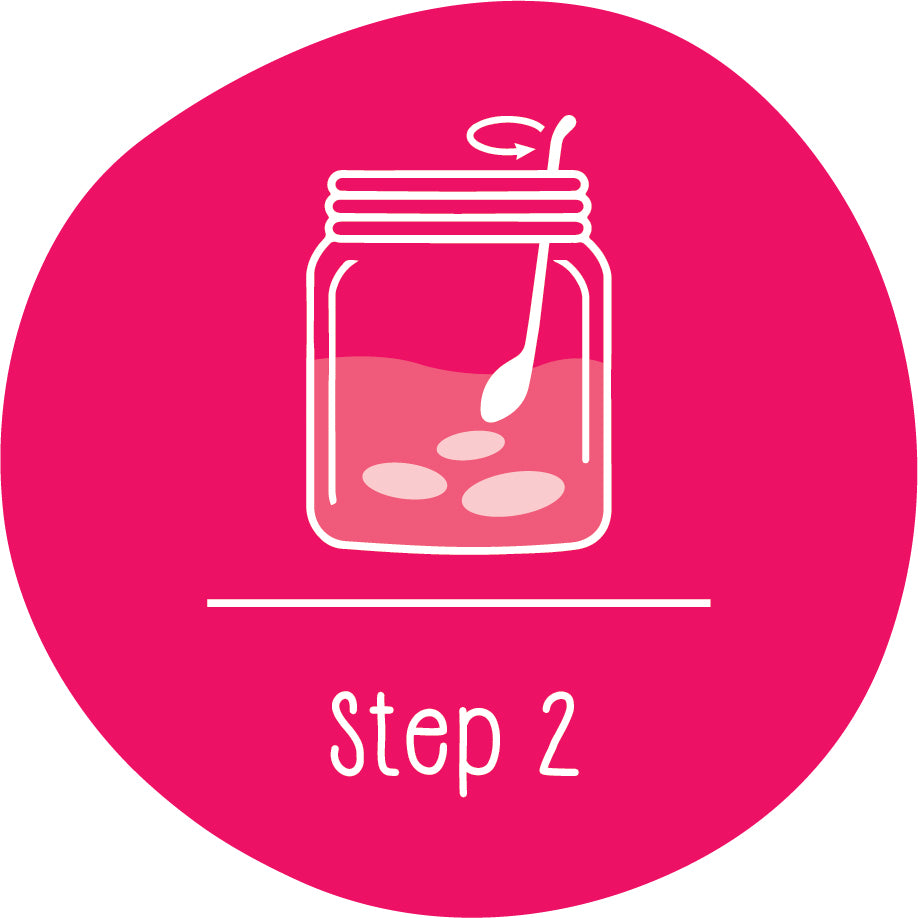
Step 2: Add the SCOBY. Pour the cooled tea into a clean glass jar (3–4 litre capacity is ideal). Add your SCOBY along with all 250ml of starter liquid. Do not rinse the SCOBY. Do not discard the starter liquid. The SCOBY may sink, float sideways, or rest on top — all are normal.
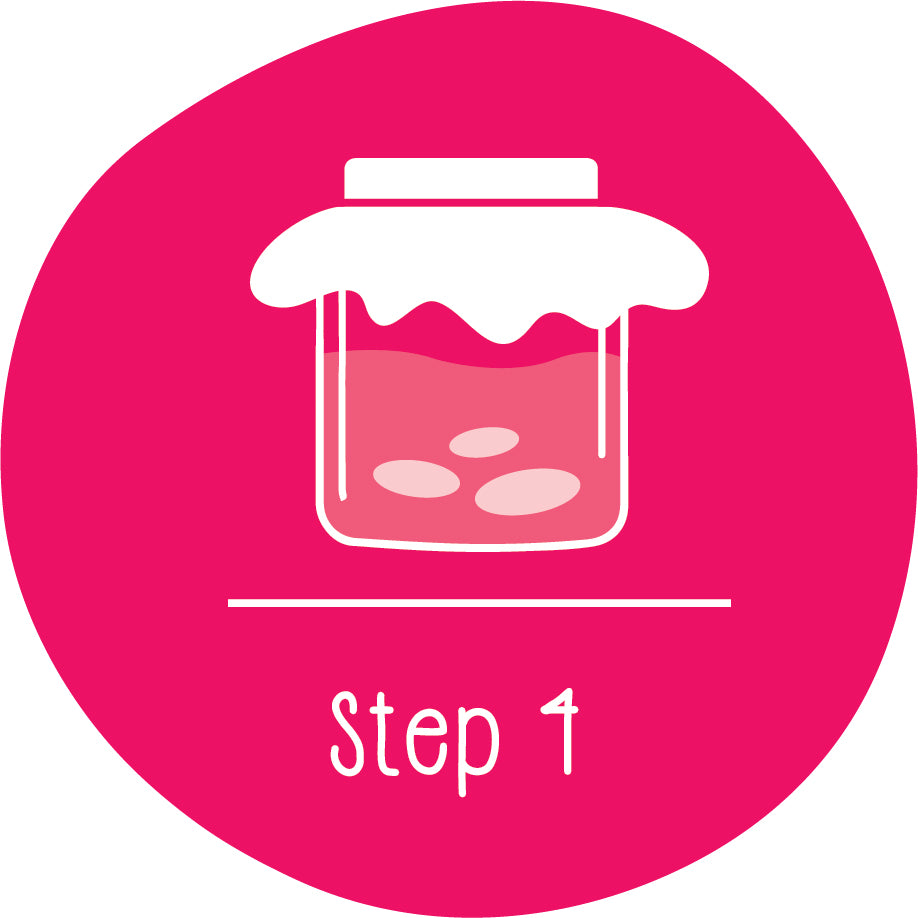
Step 3: Ferment. Cover the jar with a breathable cloth secured with a rubber band (cheesecloth, thin cotton, or muslin work well). Place in a warm spot away from direct sunlight at 20–29°C. In Mumbai or Chennai summers, taste from day 5. In Bangalore winters or AC rooms, allow 10–14 days. The kombucha is ready when it tastes pleasantly tart with only a hint of sweetness remaining.
Step 4: Bottle and flavour. Remove both SCOBYs (the original and the new daughter that has formed on top) and set aside in 250ml of finished kombucha as starter for your next brew. Pour the rest into glass bottles. Add fresh fruit, ginger, or herbs for a second ferment of 24–48 hours at room temperature to build natural carbonation. Then refrigerate to slow fermentation and serve cold.
Brewing in your climate
Mumbai and coastal regions (26–34°C): Fermentation is fast. Taste from day 5. Cover the jar carefully during monsoon to prevent fruit flies from getting through the cloth.
Delhi and North India (up to 45°C in summer): Very fast fermentation in summer — taste from day 4. Add an extra 100ml of starter liquid in extreme heat to slow excessive acidity build-up. In winter, fermentation slows to 10–14 days.
Bangalore and hill stations (18–24°C): Allow 10–14 days. Cooler temperatures produce a more complex, layered flavour. Worth the wait.
AC rooms year-round (20–22°C): Allow 12–14 days. Keep the jar away from direct airflow which causes uneven fermentation.
UAE and Saudi summer (35–45°C outdoors): Indoor AC is essential. Brew at 24–26°C. Taste from day 5. Outdoor brewing in summer heat is not advisable — the SCOBY can stress and contamination risk rises.
Singapore, KL, Jakarta (28–32°C year-round): Stable warm humidity ferments kombucha fast and reliably. Taste from day 5. Some of the most consistent home brewing conditions globally.
UK, EU, North America (18–24°C indoor): Allow 10–14 days. Keep the jar in a warm spot — near a boiler, on top of the fridge, in a heated cupboard. Avoid direct sunlight.
Indian teas that make extraordinary kombucha
Most kombucha guides assume you have access to imported Chinese or Japanese teas. India's tea heritage is richer than that. These work beautifully:
- Assam CTC — bold, malty, the most active fermentation. Best choice for your first batch.
- Darjeeling first flush — muscatel and floral. Lighter, more refined kombucha. India's finest.
- Tulsi with green tea — the adaptogenic compounds in holy basil survive fermentation. Uniquely Indian, deeply flavoured.
- Jasmine green tea — the floral aromatics intensify during fermentation. Light, elegant.
- Kashmiri Kahwa with saffron and cardamom — add the spices during second-ferment for the most Indian kombucha possible.
- Nilgiri blue mountain — South India's finest. Produces a clean, refreshing profile.
Avoid herbal teas (rooibos, chamomile, peppermint) for the primary fermentation — they lack the compounds the SCOBY needs. Use them for second-ferment flavouring instead.
What's included
- One healthy live Kombucha SCOBY pellicle
- 250ml of mature starter liquid
- Detailed brewing guide with India and SEA-specific guidance
- Email support for your first batch
- Replacement guarantee if your culture isn't viable on arrival
Shipping
India: 1–4 business days. Free shipping on most orders.
UAE, Saudi Arabia, Kuwait, Qatar, Oman, Bahrain: 5–9 business days.
Singapore, Malaysia, Indonesia, Thailand, Philippines, Vietnam, Hong Kong: 5–9 business days.
UK, Ireland, EU: 7–14 business days.
US, Canada, Australia, New Zealand: 7–14 business days.
Pakistan, Bangladesh, Sri Lanka, Nepal: 4–8 business days.
Live SCOBY is classified as a fermented food product, not a restricted biological material, and clears customs without restriction in all destinations. Full documentation is included in every parcel.
Frequently Asked Questions
What's included with the Kombucha SCOBY?
One live SCOBY pellicle plus 250ml of mature starter liquid. The starter liquid is essential — it drops your first brew's pH immediately, preventing contamination. Never discard it.
How do I know if my SCOBY is healthy?
A healthy SCOBY forms a new daughter layer within 3–5 days of starting a brew. Bubbles appear on the surface. The liquid becomes progressively more tart. Brown strands (yeast strands) and brown patches (tannin staining from the tea) are completely normal and indicate active fermentation. Only fuzzy coloured mould — blue, green, or black with a fuzzy texture — indicates a problem, and this is rare when proper starter liquid is used.
What type of sugar should I use?
Plain white cane sugar is best for your first 2–3 batches. After that you can experiment with jaggery (adds earthy molasses notes), coconut sugar (mild caramel), or palm sugar / gula melaka (Southeast Asia). Never use honey — its antimicrobial properties harm the SCOBY. Never use artificial sweeteners — the SCOBY needs real sugar to feed on.
Why is Zoh's Kombucha SCOBY the best choice for India?
Cultivated in India, adapted to warm-climate water and temperatures. Every batch is third-party tested. We are the only SCOBY supplier in India providing region-specific brewing guidance — Mumbai monsoon, Delhi summer, Bangalore cool, AC rooms, UAE indoor brewing, Singapore tropical year-round. No Western brand or unverified Amazon reseller offers this depth of contextual knowledge.
What should I do if mould develops?
Fuzzy coloured mould (blue, green, or black with visible fuzz) means the batch is compromised — discard the entire brew, clean the jar thoroughly with vinegar, and contact us. We will reship a fresh SCOBY at no cost. With our full 250ml of starter liquid this is extremely rare.
How long does the SCOBY last?
Indefinitely. Every batch produces a daughter culture, and the parent continues to thicken and strengthen. Store the SCOBY in sweet tea in the refrigerator for 2–4 weeks between brews if needed, or freeze in starter liquid for longer storage. Many customers have maintained the same SCOBY lineage for 3–5 years.
Will my SCOBY survive international shipping?
Yes. Live SCOBYs ship in 250ml of mature starter liquid at pH 2.5–3.0 which protects them through 5–14 days of international transit. We have shipped successfully to every major city in the UAE, Saudi Arabia, Singapore, Kuala Lumpur, Jakarta, Bangkok, Manila, the UK, and the US — including during peak summer. If your culture arrives genuinely non-viable, we reship at our cost.
How does this compare to buying a SCOBY on Amazon or from a Facebook group?
Amazon sellers and Facebook home brewers are typically reselling daughters from their personal brews with no quality testing, no documented lineage, and no guarantee. Our SCOBYs are cultivated in dedicated fermentation facilities, lab-tested before every dispatch, ship with adequate starter liquid, and come with email support and a no-questions replacement guarantee. The price difference reflects a meaningful quality and reliability difference.
Can I buy this for my café or restaurant?
Yes. We supply Kombucha SCOBYs and brewing equipment to cafés, brewing startups, and wellness kitchens across India, UAE, and Southeast Asia. Bulk pricing applies for orders of 5+ SCOBYs. Email wholesale@zohprobiotics.com or use code ZOHWHOLESALE at checkout for 15% off orders over ₹5,000.
What about customs restrictions?
Live Kombucha SCOBY is classified as a fermented food product (not a restricted biological agent) and clears customs without restriction in all the destinations we ship to. Full documentation is included with every international parcel.
Clearing the Clutter
Comprehensive Guide to Kombucha Brewing Equipment
The Benefits of Brewing Kombucha with a Live SCOBY
Role of fermented foods beyond preservation
Kombucha in 4 Steps

Make Sweet Tea
Add Kombucha SCOBY

Leave it to Ferment
Flavour and Fizz
FAQ
Know your Ferments
Know your Facts
Why is Zoh's Kombucha SCOBY the best choice for brewing Kombucha in India?