



Bulgarian Yogurt Starter Culture | Authentic Live Probiotic | Zoh Probiotics
The original yogurt — thinner, tangier, and biologically richer than Greek. Made the way Bulgaria has made it for 4,000 years.
🌍 Ships next business day worldwide · 🇮🇳 1–4 days India · 🇧🇬 5–9 days Bulgaria · 🇦🇪 5–9 days UAE · 🇸🇬🇲🇾 5–9 days SEA · 🇺🇸🇬🇧🇨🇦🇦🇺 7–14 days
Bulgarian yogurt is not a trend. It is one of the most scientifically studied traditional fermented foods in the world. Bulgarian centenarians — among the longest-lived populations in recorded history — consumed it daily. The key is the specific bacterial pairing: Lactobacillus delbrueckii subsp. bulgaricus and Streptococcus thermophilus. Together, they produce a yogurt with a distinctive sharp tang, silky texture, and live probiotic content that commercial yogurt cannot match.
Zoh's Bulgarian Yogurt Starter is freeze-dried from authentic culture lineages. One sachet starts your first batch. The culture propagates indefinitely from there.
What makes Bulgarian yogurt different from other yogurts
Lactobacillus bulgaricus is a thermophilic (heat-loving) bacterium that produces lactic acid at a faster rate than mesophilic cultures. This gives Bulgarian yogurt its characteristic sharpness and shorter fermentation time. The synergistic relationship between L. bulgaricus and S. thermophilus — each stimulating the other's growth — produces a greater total bacterial count than either strain alone. This symbiosis is what distinguishes authentic Bulgarian yogurt from standardised commercial versions.
What's inside
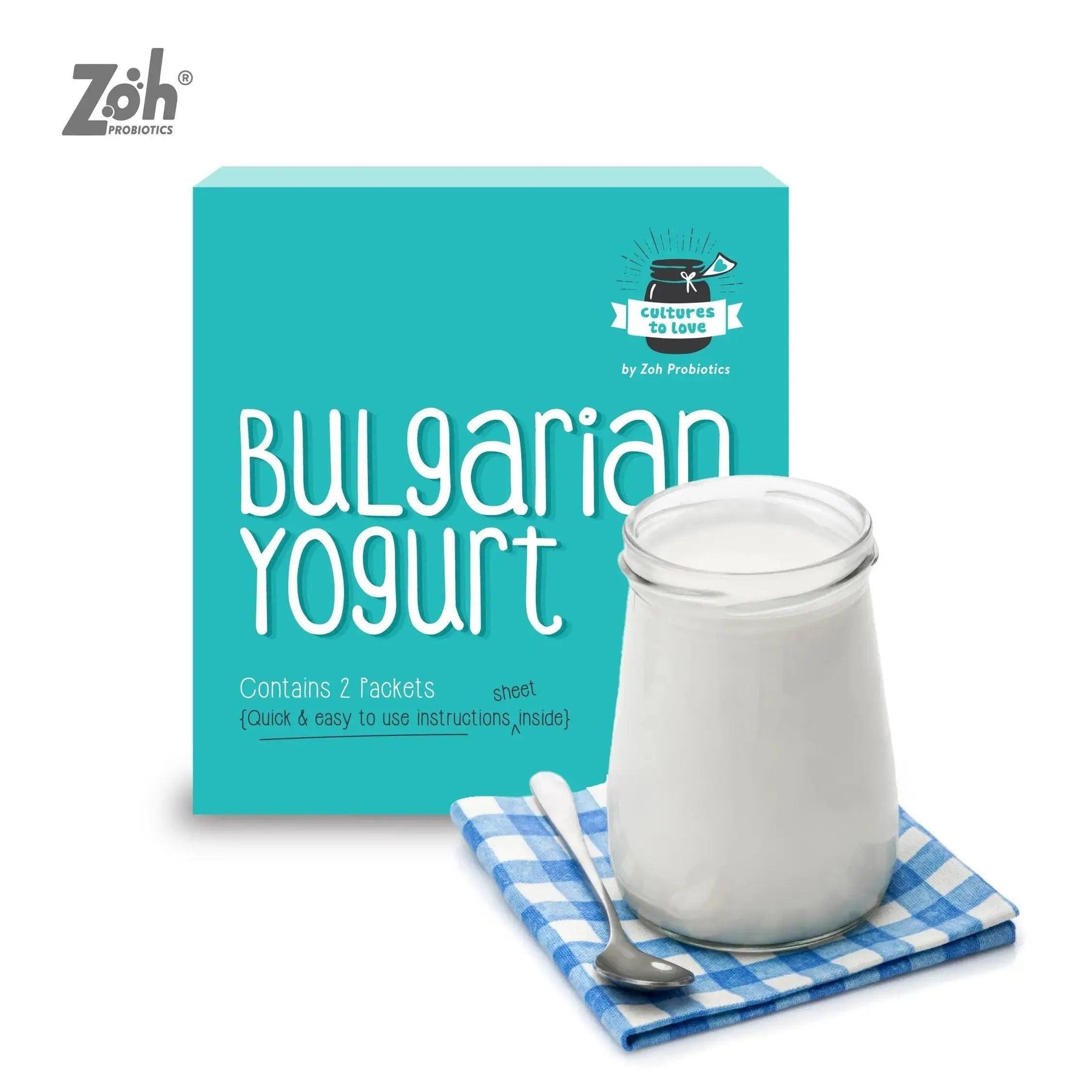
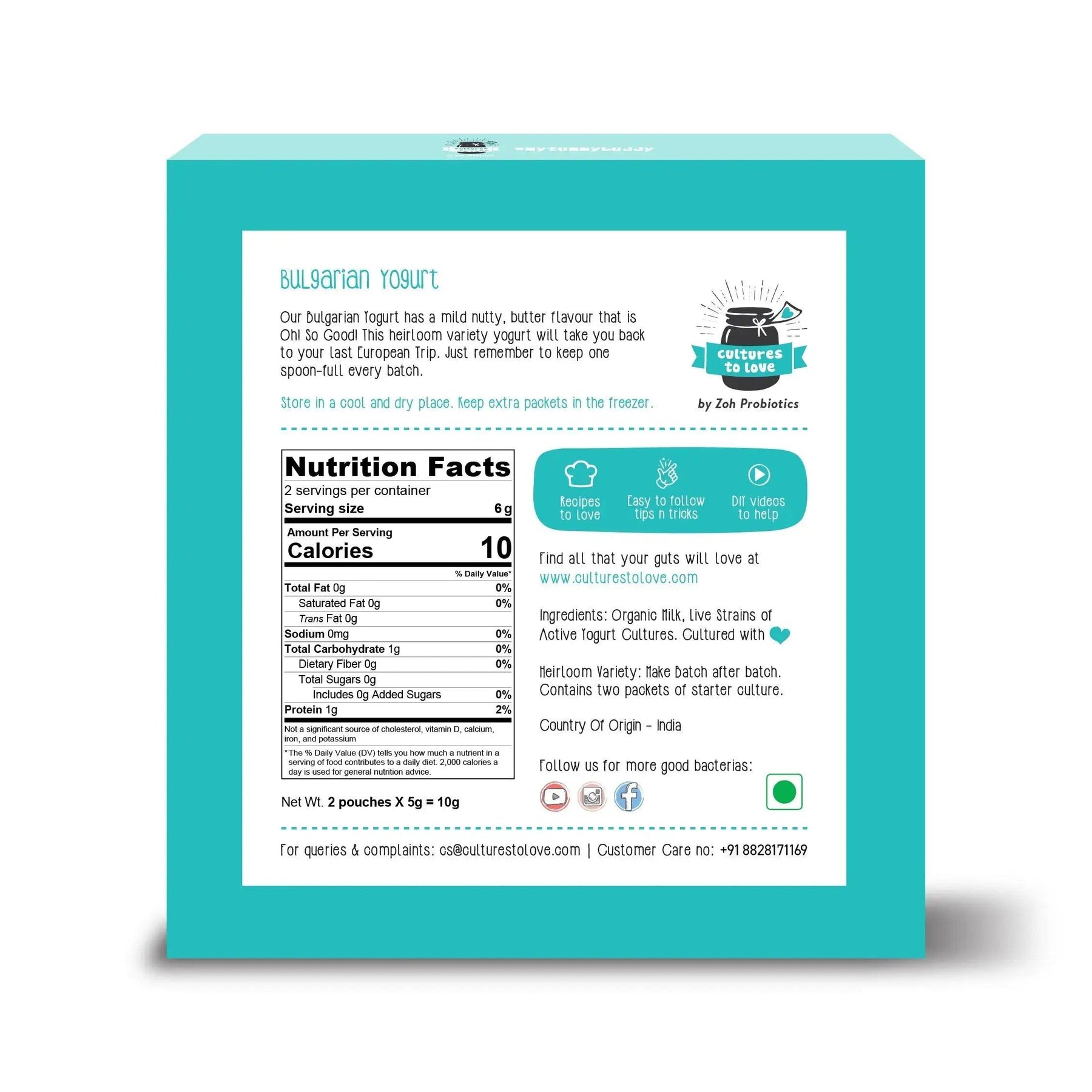
Freeze-dried Bulgarian Yogurt Starter Culture sachets.
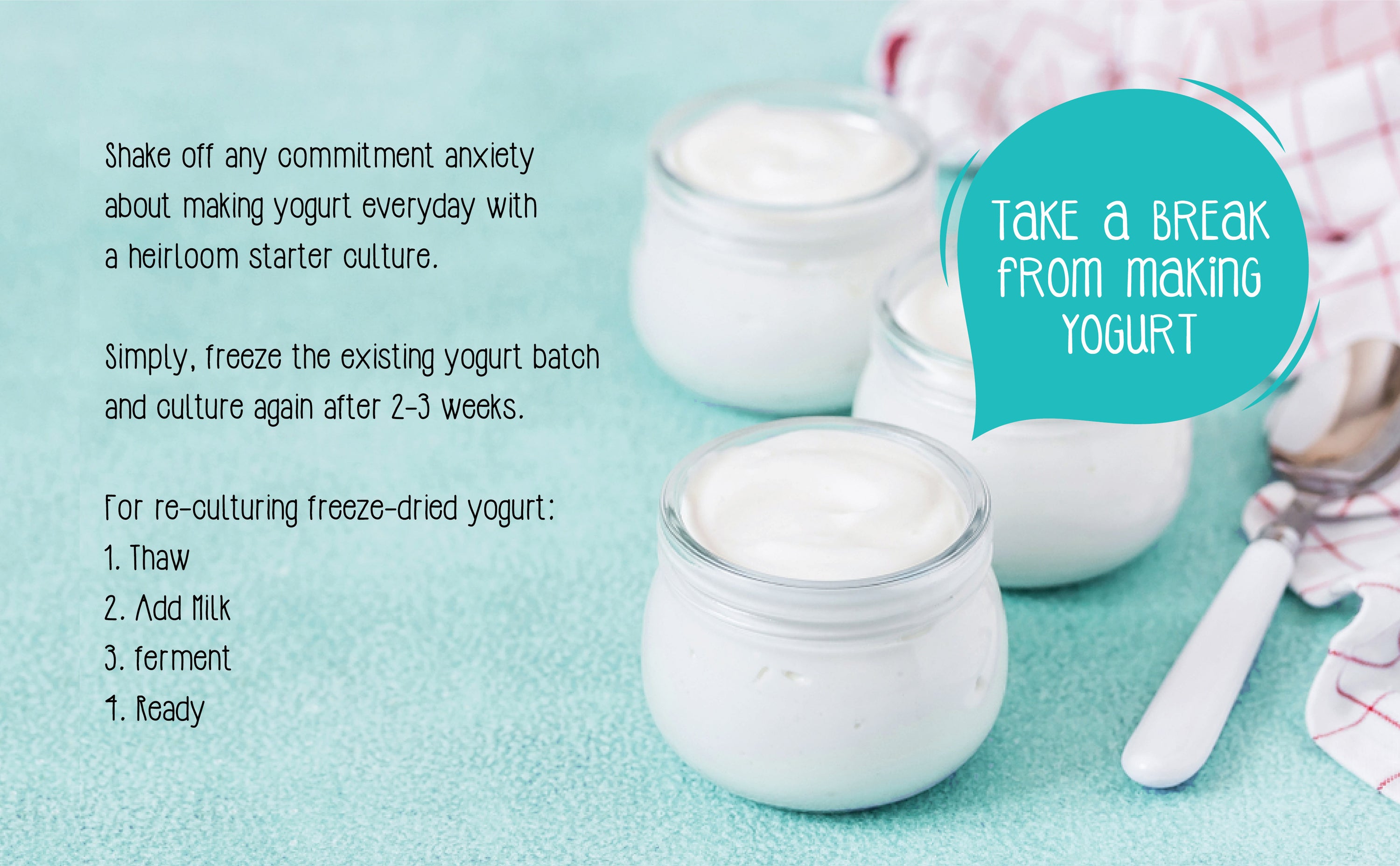
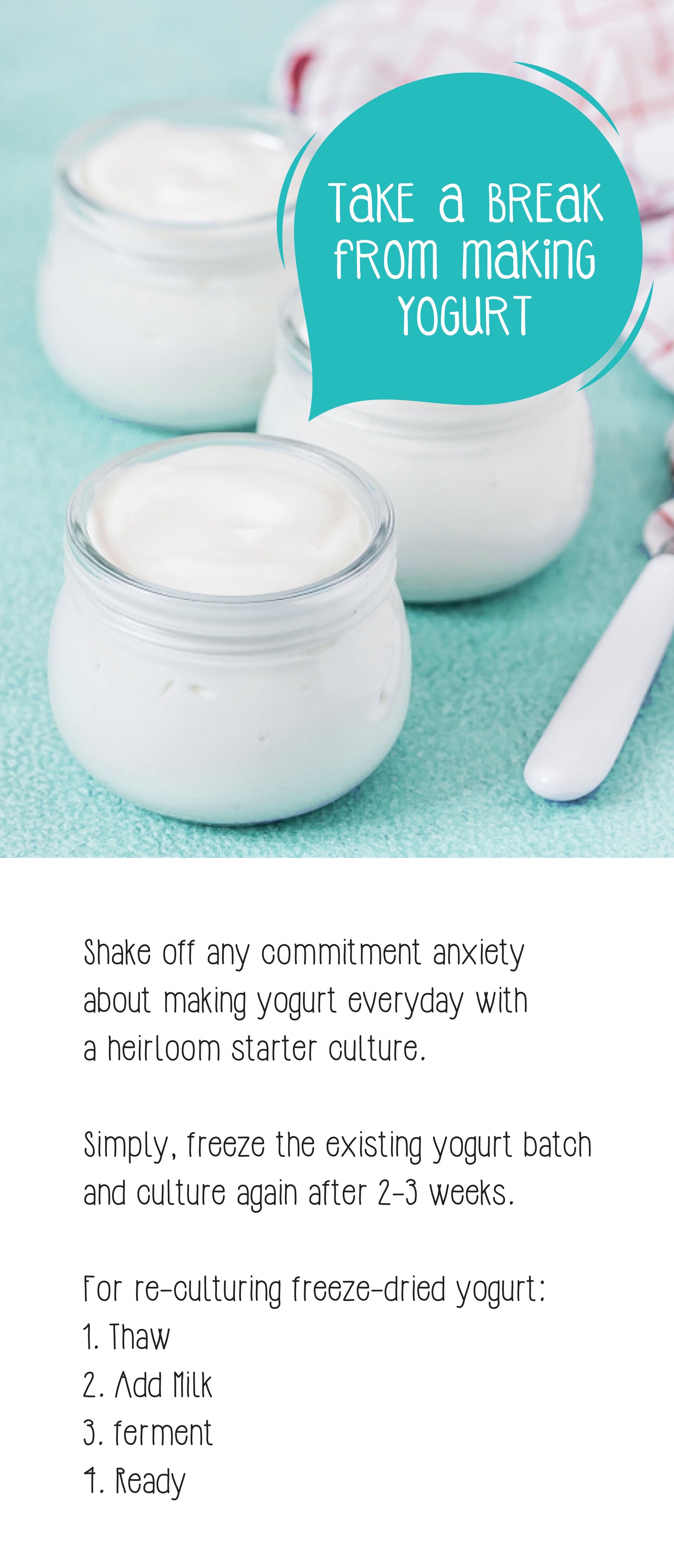
Add one sachet to warm milk, incubate 6–12 hours, refrigerate. From the second batch onward, use 2 tablespoons of your finished yogurt as the starter. The culture recultures indefinitely — many Bulgarian families maintain the same lineage for generations.
How to make it
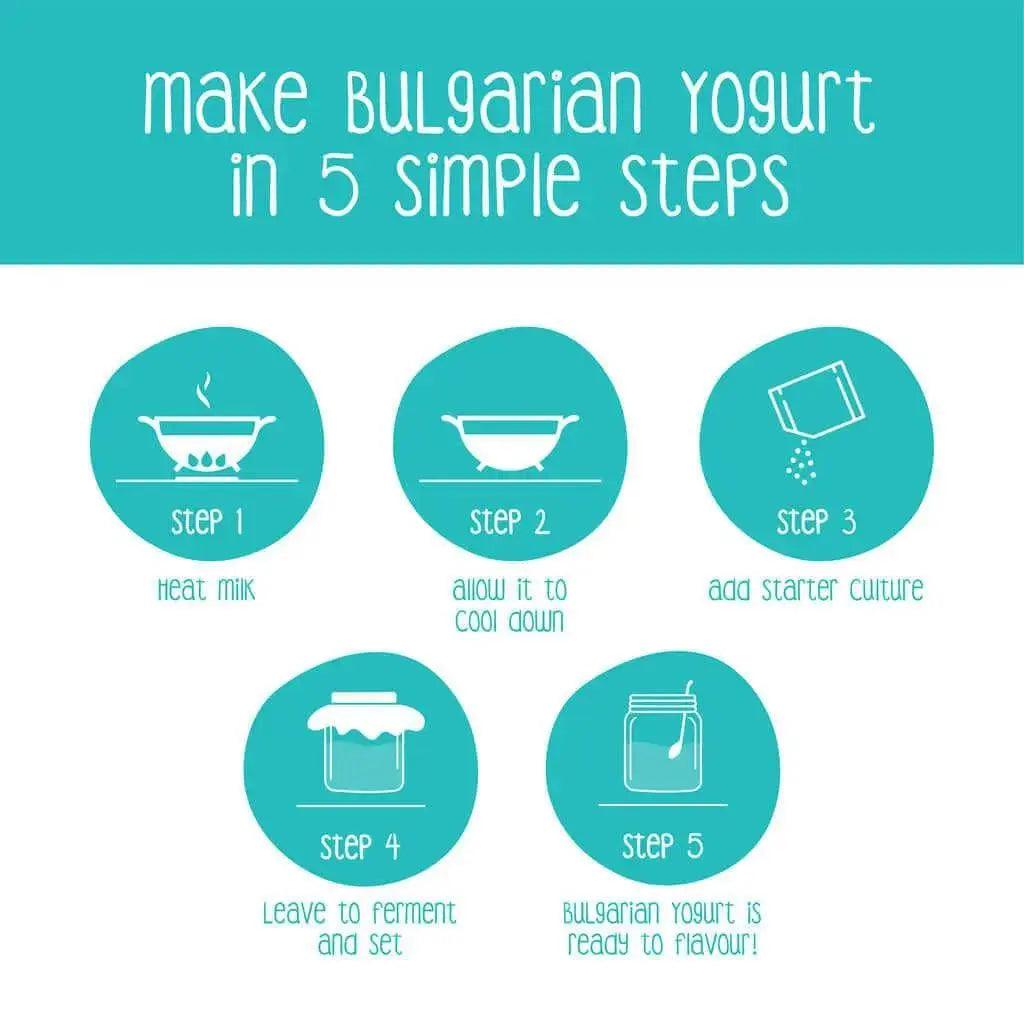
Step 1 — Heat milk to 80–85°C, then cool to 40–45°C (slightly warmer than Greek yogurt — Bulgarian cultures are thermophilic).
Step 2 — Stir in the starter culture.
Step 3 — Incubate at 40–45°C for 6–8 hours. An insulated casserole, a warm oven, or a dedicated corner in Indian summer heat all work.
Step 4 — Refrigerate immediately once set. Bulgarian yogurt continues to acidify in the fridge — eat within 5–7 days for best probiotic activity.
Works with milk available where you live
Bulgarian yogurt's high-temperature ferment makes it tolerant of most milk types. Whole milk produces the best texture. Avoid UHT for the first batch.
- India: Amul Gold, Nandini Samrudhi, Mother Dairy Full Cream, organic A2 milk, buffalo milk (exceptionally creamy result)
- UAE & GCC: Al Marai full-fat, Al Ain Dairy, Almarai full cream — fresh pasteurised. Bulgarian yogurt's tang is closer to traditional laban than Greek yogurt.
- Singapore & Malaysia: Farm Fresh, Marigold HL Full Cream, Meiji fresh milk
- Indonesia, Thailand, Philippines: any local fresh full-fat dairy works; avoid shelf-stable cartons
- UK, US, Canada, Australia: any whole milk; organic preferred but not required
- Bulgaria, EU: standard full-fat pasteurised milk works perfectly — you're brewing the way your grandparents did
Bulgarian yogurt vs Greek yogurt — which should you choose?
Bulgarian yogurt is thinner (not strained) with a sharper, more pronounced tang and higher bacterial diversity. Greek yogurt is thicker (strained) with a milder flavour and higher protein concentration. Both are excellent probiotic foods. Bulgarian is closer to traditional Indian dahi in texture but dramatically superior in probiotic strain count and activity. If you already love dahi, Bulgarian yogurt is your natural next step. If you're after a thicker, labneh-style result, choose our Greek Yogurt Starter instead.
Who is this for?
- Those who want the most authentic, historically validated probiotic yogurt
- Anyone who finds Greek yogurt too thick or mild
- People using yogurt therapeutically — for gut restoration, immunity, or antibiotic recovery
- Cooks who want a tangier yogurt for marinades, raita, lassi, and dressings
- Households across the GCC familiar with traditional laban who want the authentic source culture
- Bulgarian, Eastern European, and Balkan families abroad recreating the yogurt of their childhood
- Fermenters who want to maintain a living culture indefinitely at zero ongoing cost
India's first fermentation cultures company. Trusted across the region.
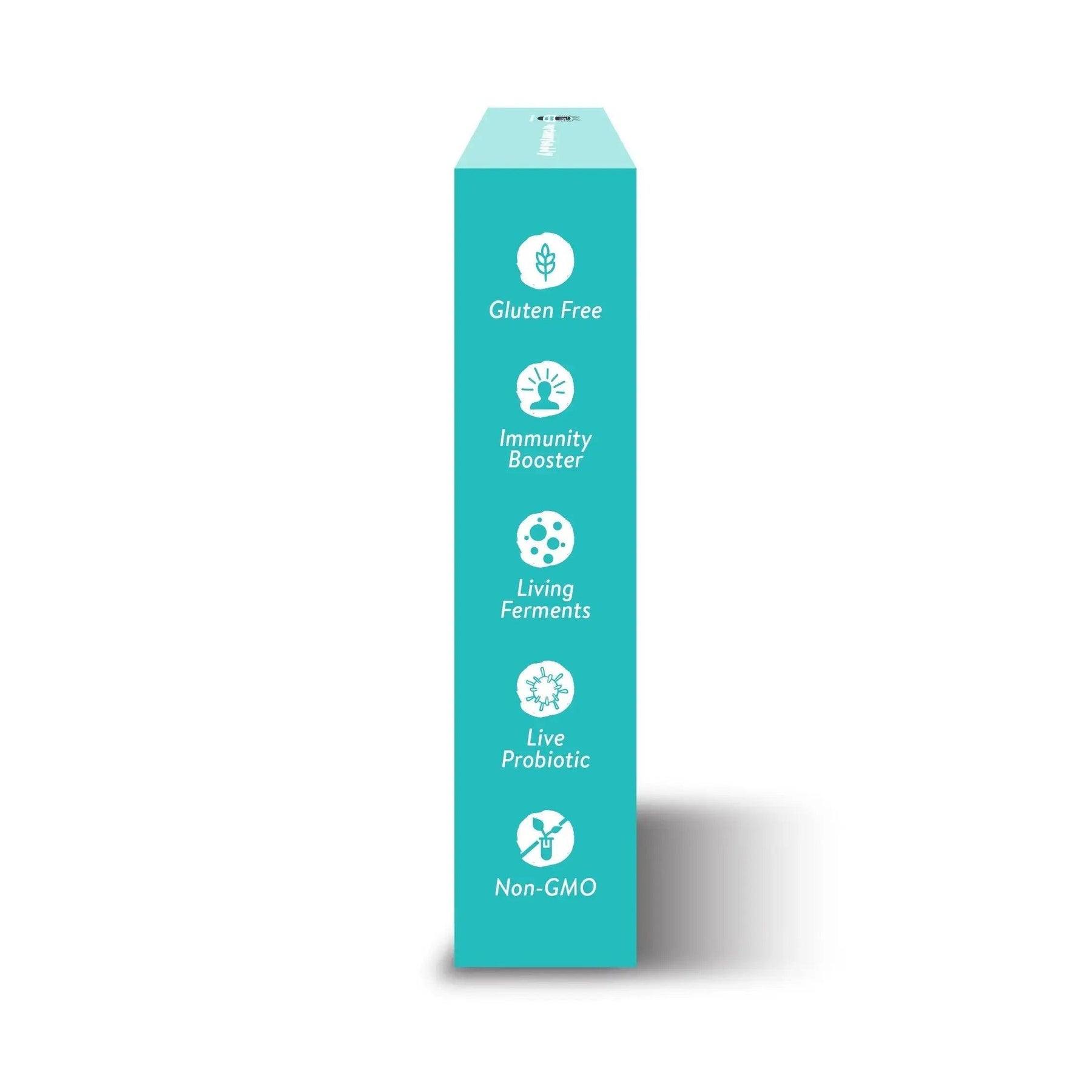
Zoh is India's first fermentation cultures company — and the largest fermentation knowledge hub for South Asia, the Middle East, and Southeast Asia. Every Zoh starter culture is third-party tested for live bacterial count, strain purity, and pathogen absence before dispatch. Our Bulgarian Yogurt culture is gluten-free, non-GMO, and free from preservatives and additives.
🌍 International shipping & delivery
We ship the next business day, every business day. Freeze-dried yogurt starter is shelf-stable for up to 12 months at room temperature and survives international transit easily — including summer heat across the Gulf and Southeast Asia. Delivery times by destination:
- India: 1–4 business days · free shipping on most orders
- UAE, Saudi Arabia, Kuwait, Qatar, Oman, Bahrain: 5–9 business days
- Singapore, Malaysia, Indonesia, Thailand, Philippines, Vietnam, Hong Kong: 5–9 business days
- Bulgaria, EU, UK, Ireland: 7–14 business days
- US, Canada, Australia, New Zealand: 7–14 business days
- Pakistan, Bangladesh, Sri Lanka, Nepal: 4–8 business days
Customs: Freeze-dried yogurt starter is classified as a food product (not a live animal or restricted substance) and clears customs without issue in all the countries we ship to. We provide full documentation in every parcel.
Revival guarantee: If your starter doesn't activate within 36 hours of your first attempt, email us at info@zohprobiotics.com with a photo and we'll reship at our cost.
Frequently Asked Questions
What bacteria are in Bulgarian yogurt starter culture?
Authentic Bulgarian yogurt contains two core strains in a carefully balanced ratio: Lactobacillus delbrueckii subsp. bulgaricus (a thermophilic lactic acid bacterium responsible for the characteristic sharp flavour) and Streptococcus thermophilus (which provides the initial acidification and supports L. bulgaricus growth). Their symbiotic relationship — protocooperation — produces a more complex, biologically active yogurt than either strain alone.
How is Bulgarian yogurt different from standard Indian dahi?
Traditional dahi is made with mesophilic cultures (often wild, from previous batches) and ferments at room temperature. Bulgarian yogurt uses specific thermophilic strains and ferments at higher temperatures (40–45°C). The result is a more consistent, sharper, bacterially richer product. Bulgarian yogurt also has a defined, tested bacterial composition — traditional dahi culture varies batch to batch and region to region.
Can I use buffalo milk for Bulgarian yogurt?
Yes — buffalo milk produces an exceptionally rich, creamy Bulgarian yogurt due to its higher fat content. Many traditional Bulgarian and Indian yogurt makers prefer buffalo milk for exactly this reason. The higher fat slightly moderates the tartness, giving a balanced sharp-yet-creamy profile.
Why does my Bulgarian yogurt taste more sour than store-bought yogurt?
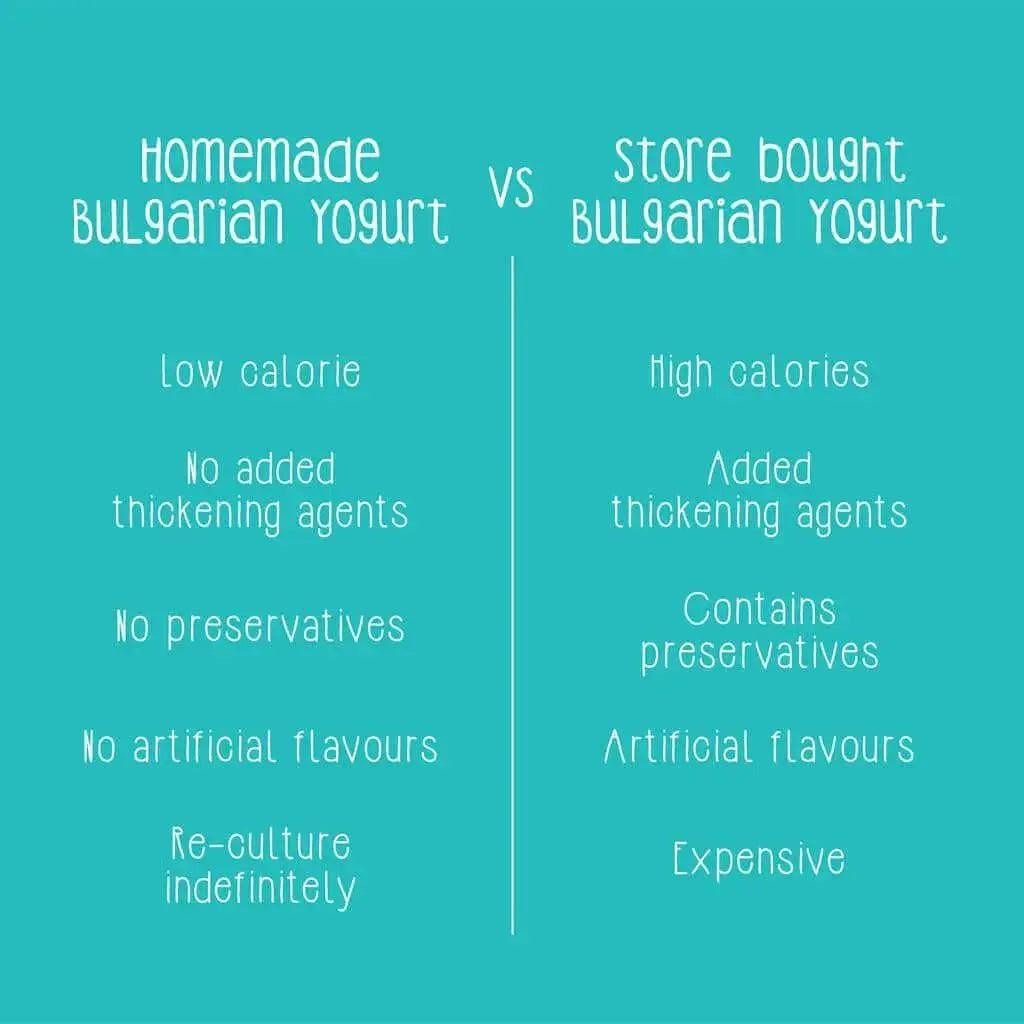
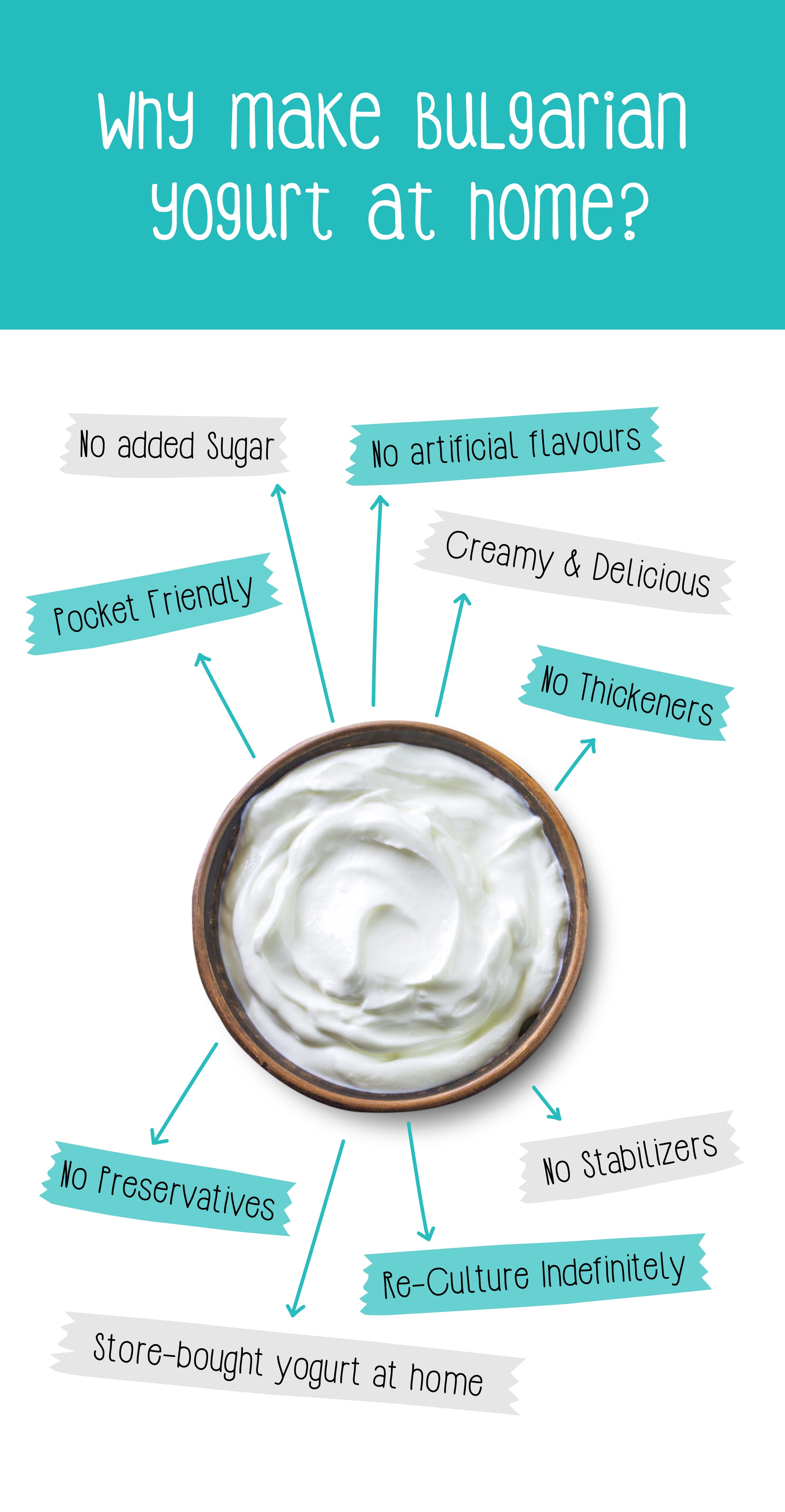
Because it is genuinely fermented. Commercial yogurt is often standardised for mild flavour and contains added thickeners. Authentic Bulgarian yogurt, fermented fully with live cultures, produces lactic acid at levels that create its characteristic tang. This acidity is also what makes it effective as a probiotic — the low pH inhibits pathogenic bacteria and indicates robust culture activity. If you prefer less tartness, reduce fermentation time or refrigerate earlier.
How many times can I reculture it?
Indefinitely with proper technique. Save 2 tablespoons of each finished batch, keep refrigerated, and use within 5–7 days to start the next batch. The culture remains viable as long as it is active and clean. Refresh from a new sachet every few months if you notice reduced tartness or slower setting — cultures can drift over time.
Will my starter survive shipping to UAE / Singapore / Malaysia?
Yes. Freeze-dried starter is shelf-stable at room temperature for up to 12 months and survives international transit easily — including summer heat across the Gulf and Southeast Asia. We've shipped to every major city in UAE, Saudi, Singapore, KL, Jakarta, Bangkok, Manila, and Ho Chi Minh without issue. If anything looks off on arrival, we replace at our cost.

Clearing the Clutter

Comprehensive Guide to Kombucha Brewing Equipment
The Benefits of Brewing Kombucha with a Live SCOBY

Role of fermented foods beyond preservation



Prep Milk

Add Starter Culture

Ferment

Re-Culturing
FAQ
Know your Ferments
Know your Facts
Can I reuse the Bulgarian Yogurt Starter Culture?