Enterococcus durans in Milk Kefir — The Controversial Probiotic That Actually Belongs There
Enterococcus has a complicated reputation in medicine. In kefir grains, it earns its place. Here is an honest, science-first look at what Enterococcus durans actually does — and why its presence in your kefir is a feature, not a flaw.
Why Enterococcus is the most misunderstood bacterium in kefir
If you search "Enterococcus" in a medical context, you will mostly find it discussed as a hospital-acquired pathogen — E. faecalis and E. faecium are leading causes of urinary tract infections and antibiotic-resistant bloodstream infections in immunocompromised patients. This makes finding Enterococcus in a probiotic food alarming to some people.
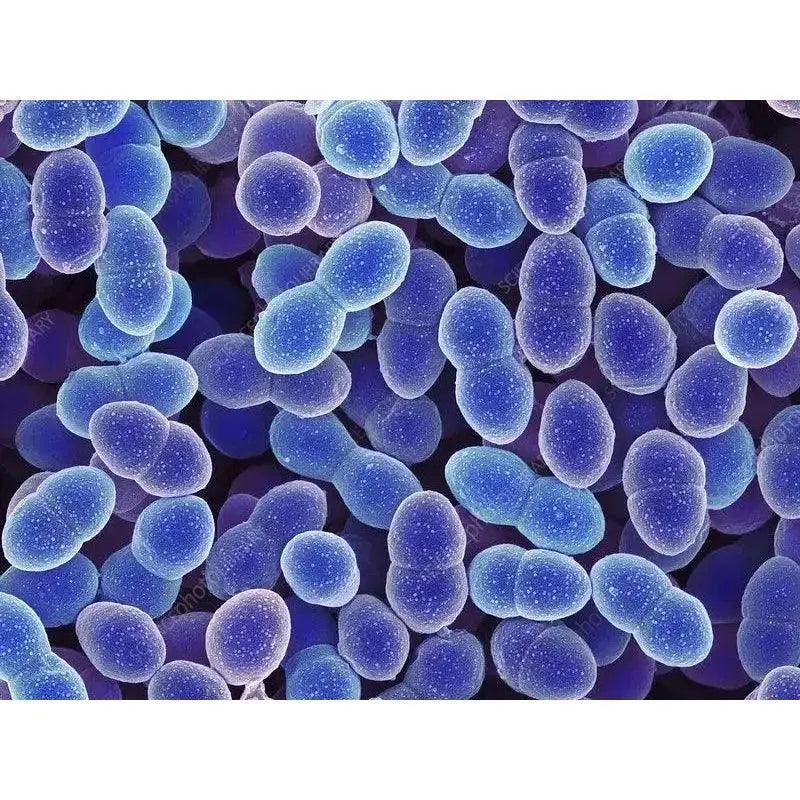
The reality is more nuanced. Enterococcus is a vast and diverse genus containing over 50 species, most of which are harmless and many of which are actively beneficial. Enterococcus durans — the species found in milk kefir grains — is not the same organism as the hospital pathogens E. faecalis and E. faecium. It has been consumed by humans in fermented foods for thousands of years without documented harm in healthy individuals. Understanding the distinction matters.
The key distinction: Enterococcus durans has been classified as Generally Recognised As Safe (GRAS) for use in food by the European Food Safety Authority (EFSA). It does not carry the virulence factors (toxin-producing genes, adhesion factors, biofilm-forming capacity in pathogenic contexts) that make E. faecalis and E. faecium dangerous in clinical settings. Its presence in kefir is the result of thousands of years of co-evolution with human food systems — not contamination.
What Enterococcus durans actually does in kefir
- Bacteriocin production: E. durans produces enterocins — proteinaceous antimicrobial compounds that inhibit a broad range of gram-positive pathogens including Listeria monocytogenes, Clostridium perfringens, and drug-resistant Staphylococcus aureus. These bacteriocins act as natural, in-situ antimicrobials within the kefir grain ecosystem and potentially in the gut
- Lactic acid fermentation: E. durans contributes to lactic acid production, supporting the overall acidification of kefir that creates its low-pH, pathogen-hostile environment
- Immune modulation: Early research suggests E. durans can stimulate innate immune responses by activating Toll-like receptors on intestinal epithelial cells — the same mechanism by which many probiotic Lactobacillus species exert immune benefits
- Competitive exclusion: By occupying ecological niches in the gut, E. durans competes directly with opportunistic pathogens for adhesion sites on the intestinal wall — a mechanism that reduces colonisation by Listeria and Clostridium species
- Cholesterol reduction (preliminary): Some Enterococcus species, including E. durans, have been studied for their ability to assimilate cholesterol from growth media — an in vitro finding that may translate to modest cholesterol-lowering effects in vivo, though human clinical evidence is currently limited
The honest picture — benefits and caveats
What the evidence supports
- → EFSA food-safe classification
- → Bacteriocin production documented
- → Thousands of years in human fermented foods
- → Immune activation in cell studies
- → Pathogen competitive exclusion
- → Safe for healthy adults and children
What requires caution
- → Avoid if severely immunocompromised
- → Cholesterol data is only in vitro so far
- → Human RCT data specifically on E. durans is limited
- → Not the same as clinical probiotic strains
Who should exercise caution: People who are severely immunocompromised — undergoing chemotherapy, organ transplant recipients on immunosuppressants, or those with advanced HIV — should consult a physician before consuming unpasteurised fermented foods containing live Enterococcus. For the vast majority of healthy adults, E. durans in kefir represents no meaningful risk and potential benefit.
Enterococcus in the context of India’s gut health needs
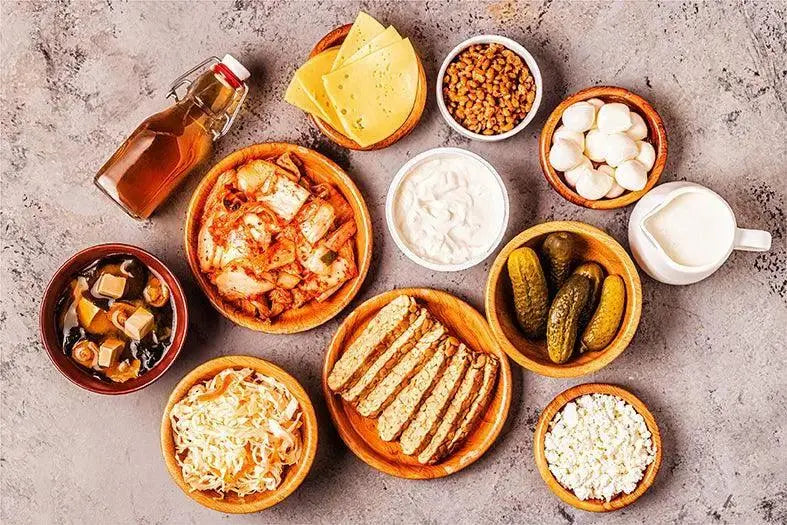
Enterococcus durans's most practically significant property for the Indian context is its bacteriocin production against Listeria monocytogenes and Clostridium species. Food safety challenges in India — including inadequate cold chain infrastructure, widespread use of raw milk, and high rates of foodborne illness from Clostridium and Listeria — make the presence of anti-Listeria, anti-Clostridium organisms in everyday fermented foods particularly meaningful. Traditional Indian fermented foods including curd, kanji, and buttermilk all contain Enterococcus species, suggesting a long human history of safely co-consuming these organisms.
Frequently asked questions about Enterococcus in kefir
Is Enterococcus in kefir dangerous?
For healthy adults, no. Enterococcus durans — the species in kefir — has been consumed safely in fermented foods for millennia and carries EFSA food-safe status. The pathogenic Enterococcus species that cause hospital infections (E. faecalis, E. faecium) are different organisms with different virulence profiles. Conflating them is like saying all Staphylococcus species are dangerous because S. aureus causes infections — ignoring that S. epidermidis lives harmlessly on everyone's skin.
Why does kefir contain Enterococcus at all?
Kefir grains are wild fermentation cultures that evolved over centuries in the Caucasus mountains, maintained by communities who fermented milk daily in animal-skin pouches. The microbial community that stabilised in those grains reflects the organisms best adapted to the kefir grain environment — organisms that could survive the acidic, ethanol-containing, bacteriocin-rich conditions. E. durans survived and persisted because it contributed to grain stability and resisted displacement by competitors. Its presence is a result of natural selection within the grain, not contamination.
What are bacteriocins and why do they matter for gut health?
Bacteriocins are protein-based antimicrobial compounds produced by bacteria to inhibit competing bacterial species. Unlike broad-spectrum antibiotics — which kill indiscriminately — bacteriocins from E. durans (called enterocins) are relatively targeted, primarily inhibiting gram-positive pathogens while leaving gram-negative bacteria and other members of the probiotic community unaffected. In the gut, bacteriocin-producing probiotics provide a competitive advantage over pathogens without the collateral damage to beneficial bacteria that antibiotic therapy causes.
Is Enterococcus the same organism that causes urinary tract infections?
No. UTIs and hospital infections are primarily caused by E. faecalis and E. faecium — distinct species with specific virulence genes. E. durans lacks the key virulence factors (particularly gelatinase production, cytolysin genes, and high-level aminoglycoside resistance) that make clinical Enterococcus strains dangerous. Genus-level conflation is a common source of confusion, but species-level distinction is what matters for safety assessment. This is why EFSA's strain-by-strain food safety assessment specifically cleared E. durans for food use.
The complete 55–60 strain ecosystem — in one starter
Zoh's Milk Kefir Starter Culture contains the full kefir microbiome including Enterococcus durans — exactly as found in authentic kefir grains. India's first. Third-party tested for safety and live culture count.
Start brewing — ₹555 →Free shipping across India · Full microbial diversity · Cultures guaranteed alive on arrival