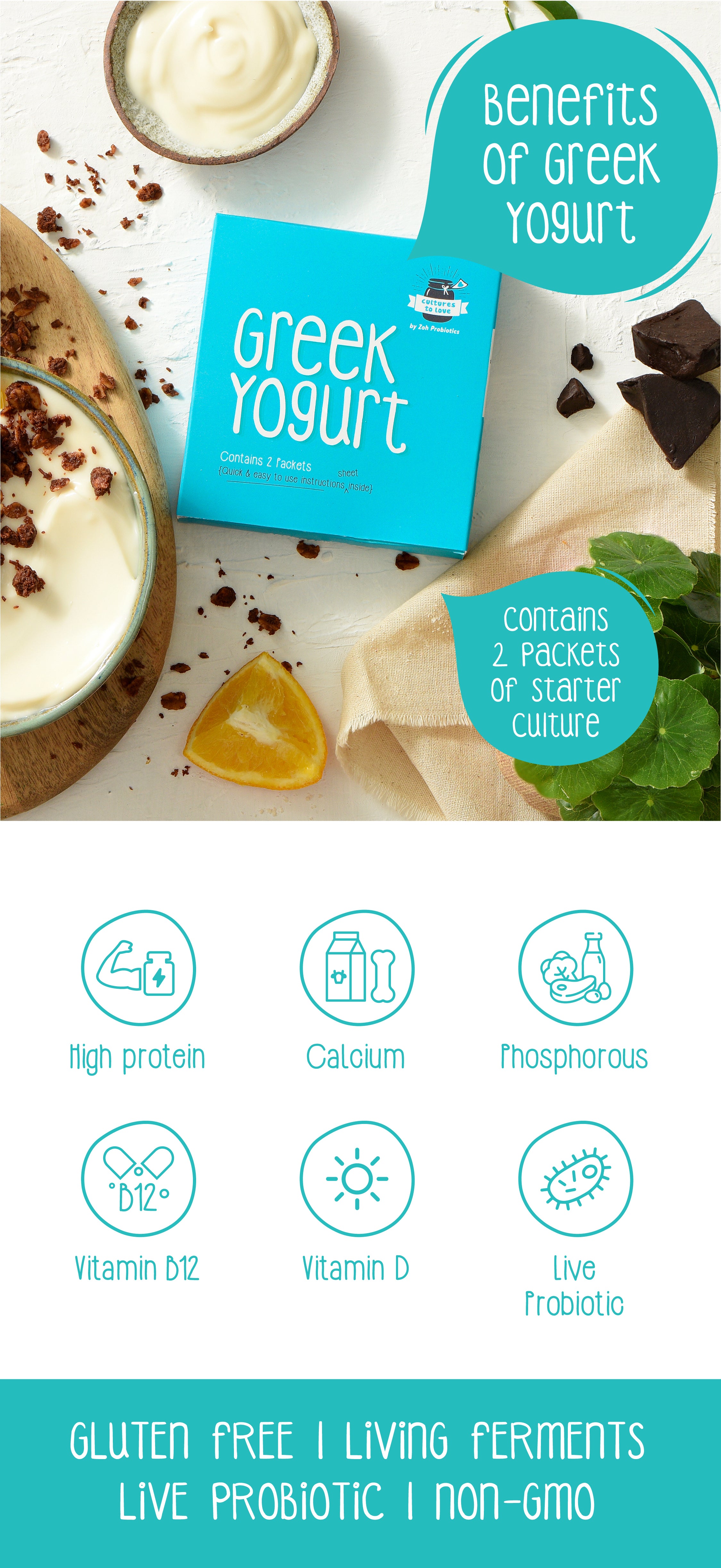
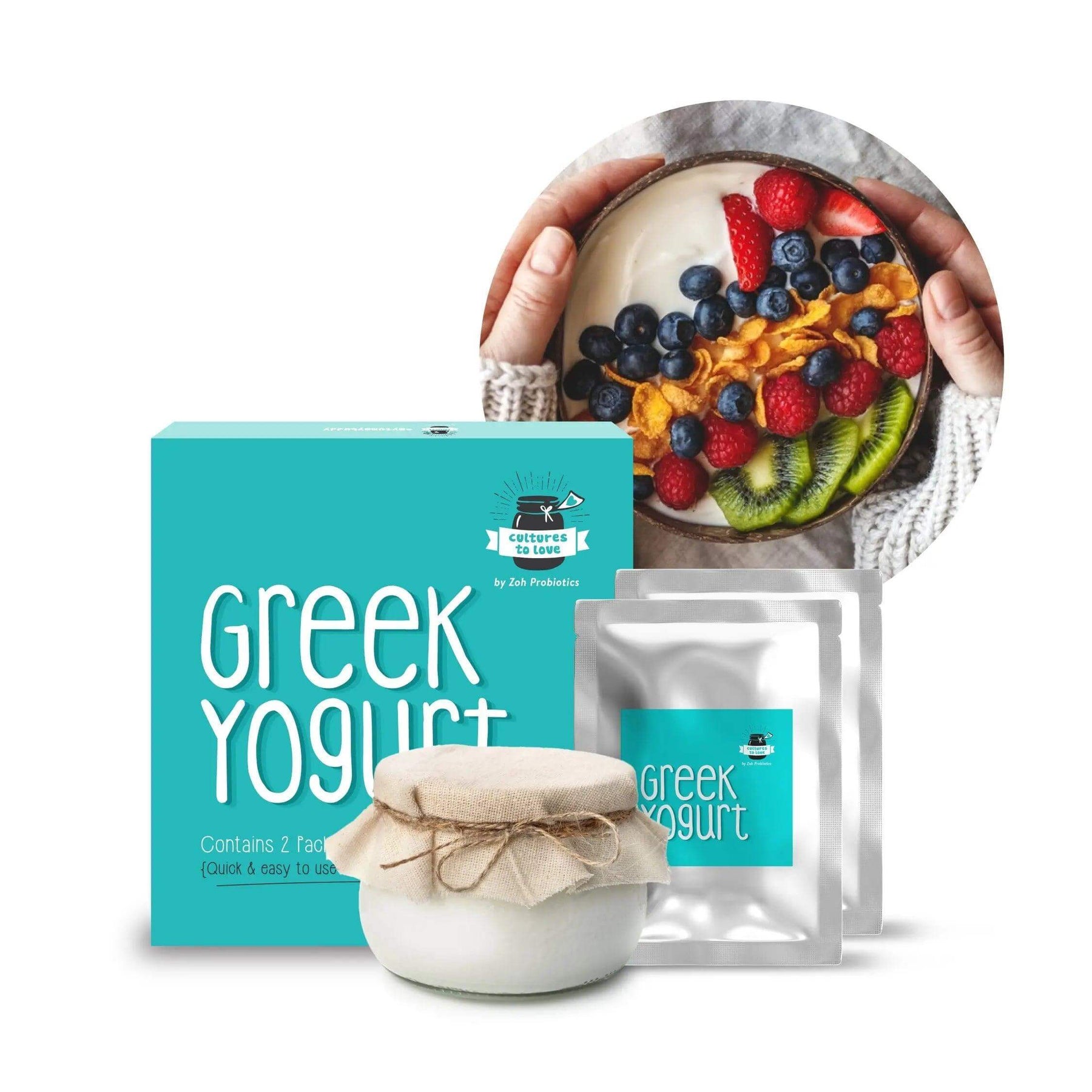

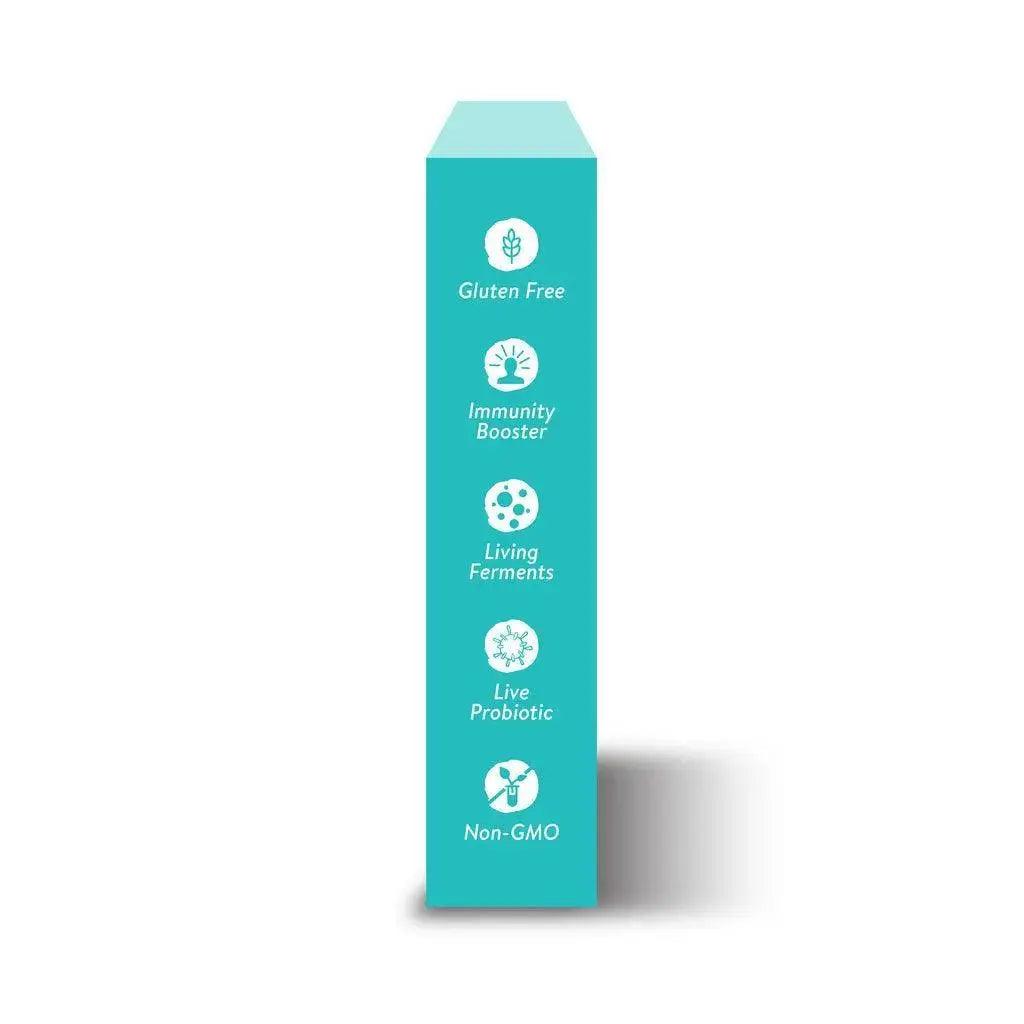
Zoh Probiotics Greek Yogurt Kit with Sachets Front View
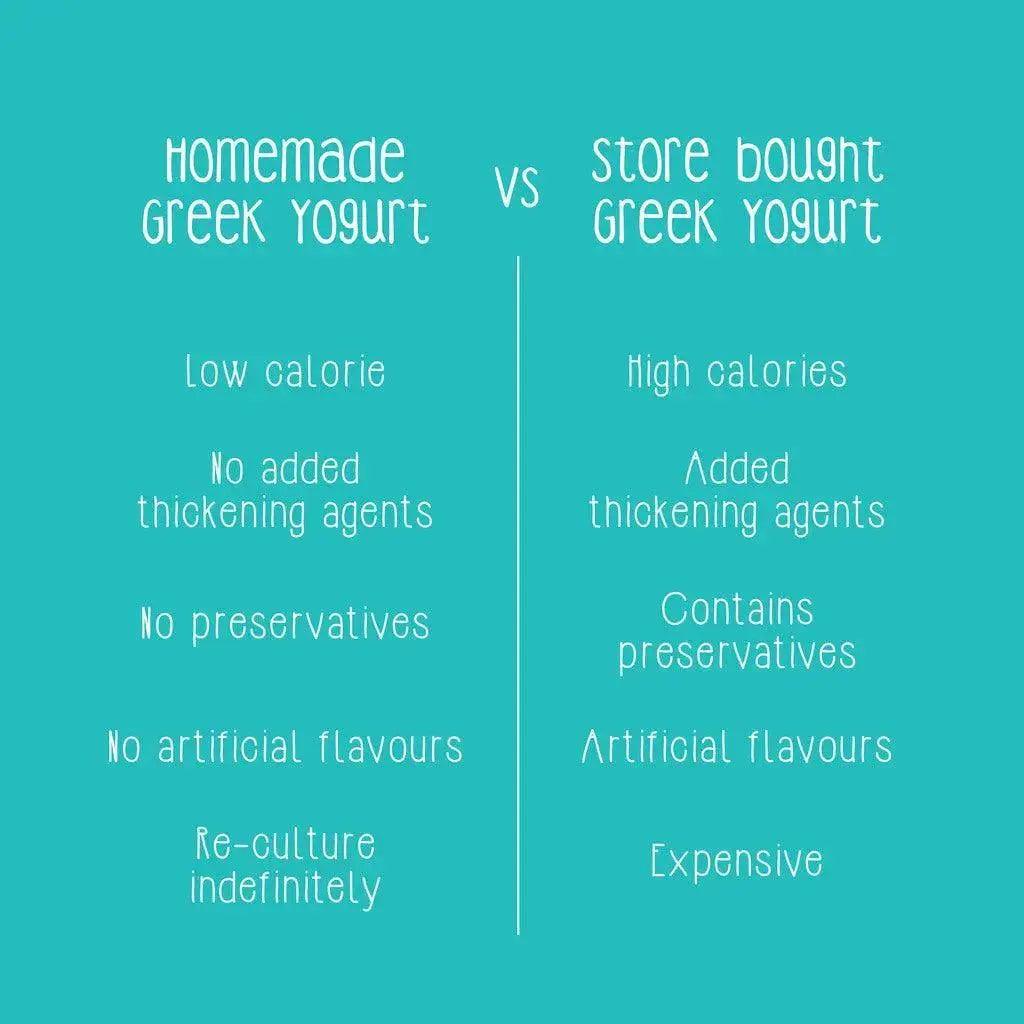
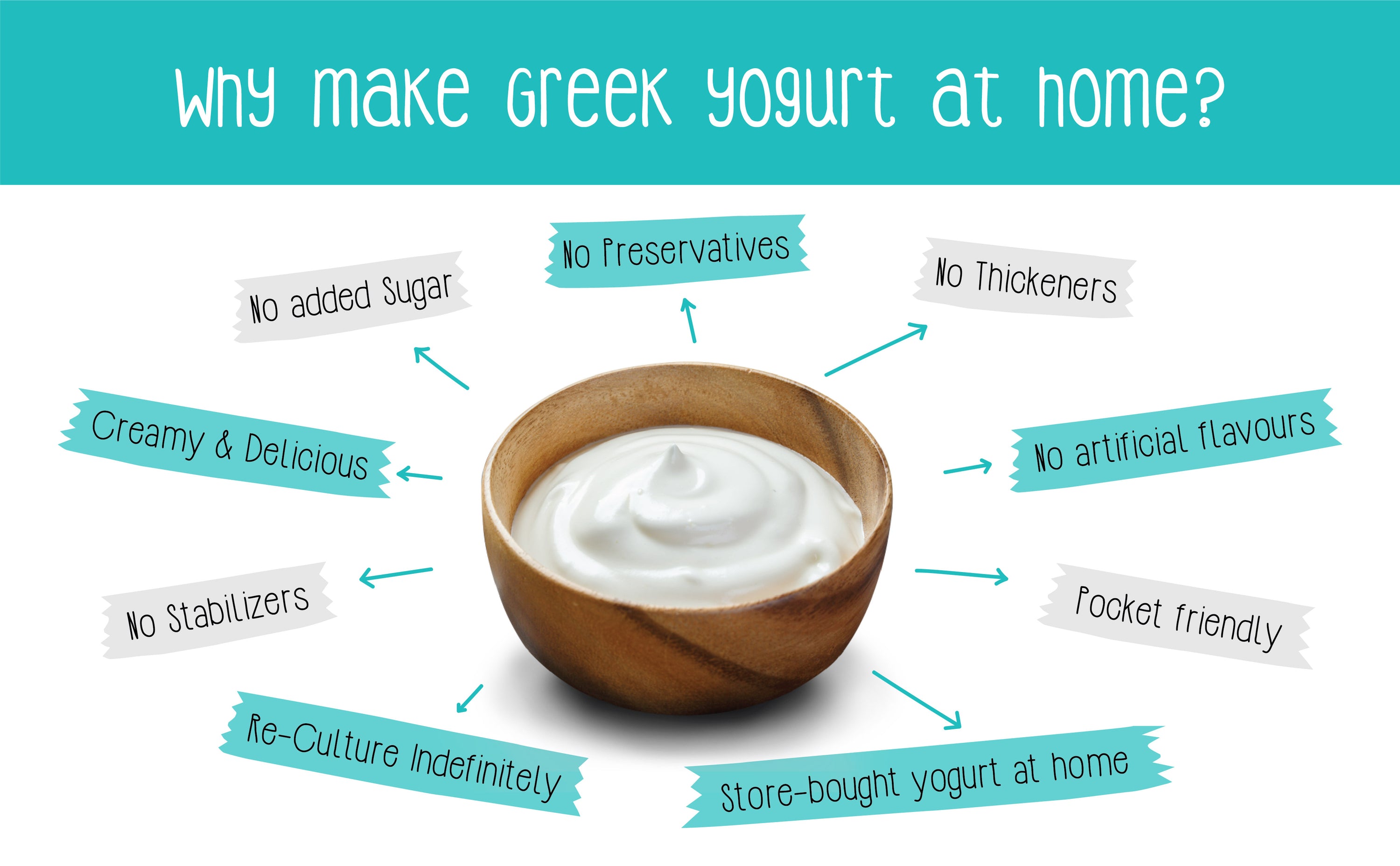
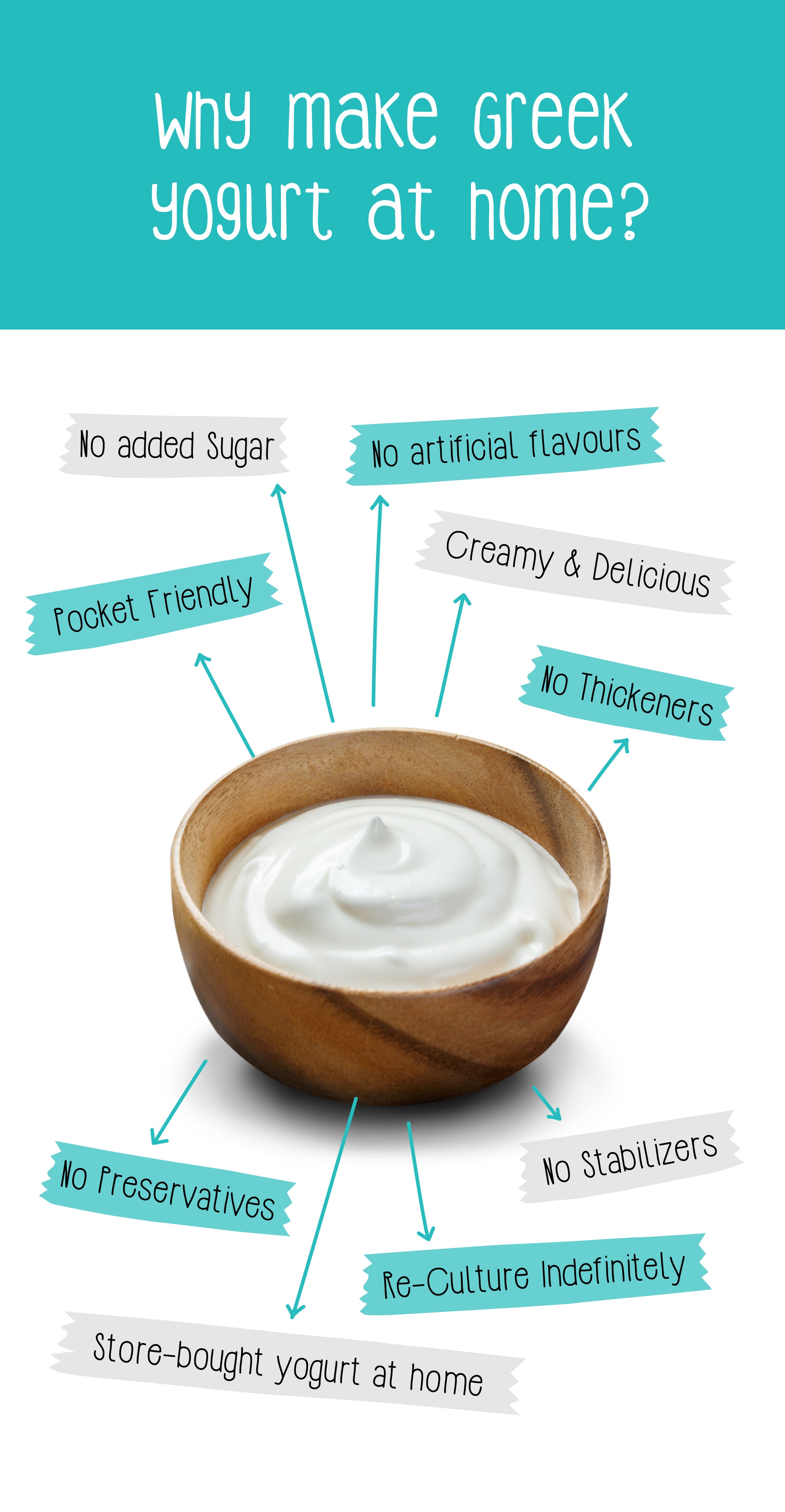
Homemade Vs Store-Bought Greek Yogurt Infographic by Zoh Probiotics
Zoh Probiotics Greek Yogurt Starter Culture with homemade Greek-style yogurt
Homemade Thick and Luscious Greek Yogurt with Zoh Probiotics
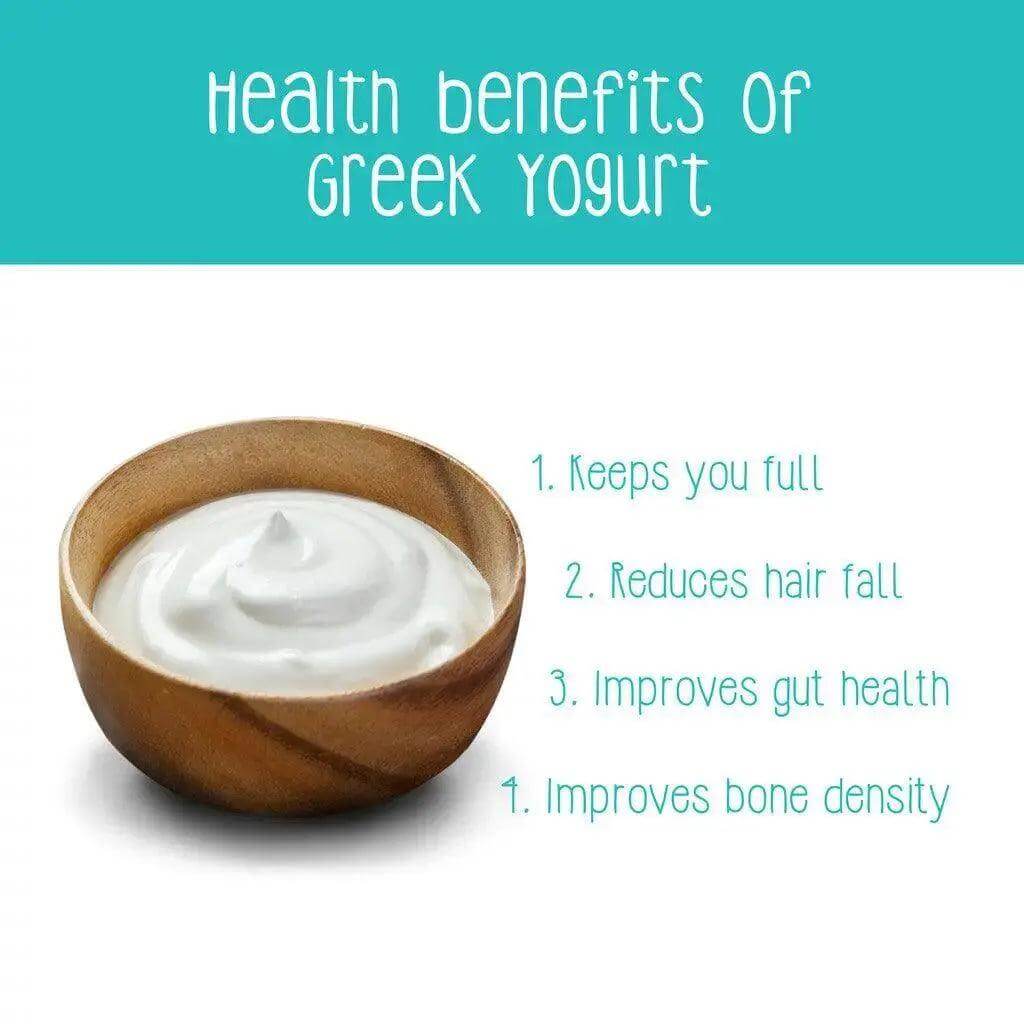
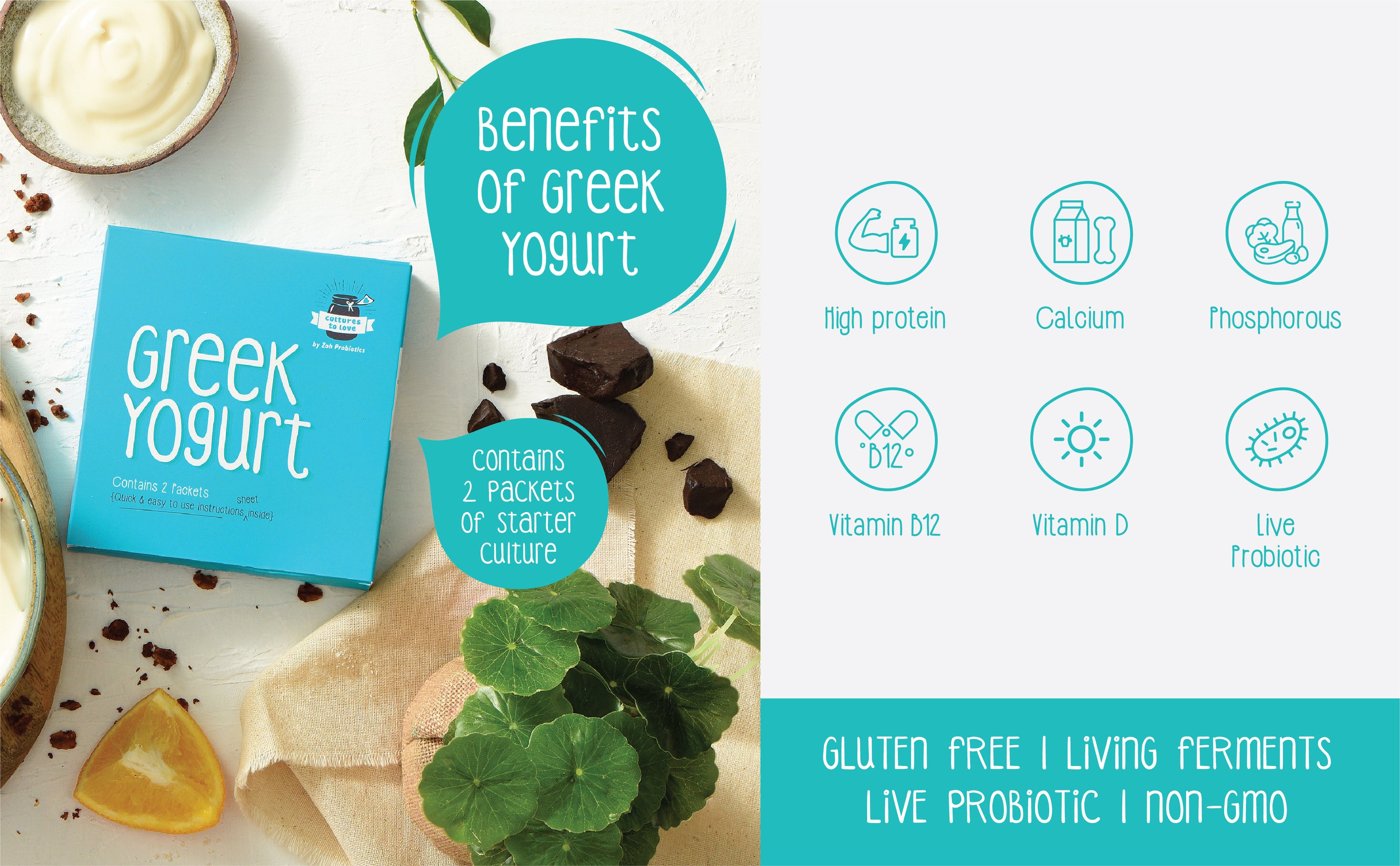
Greek yogurt information infographic by Zoh Probiotics
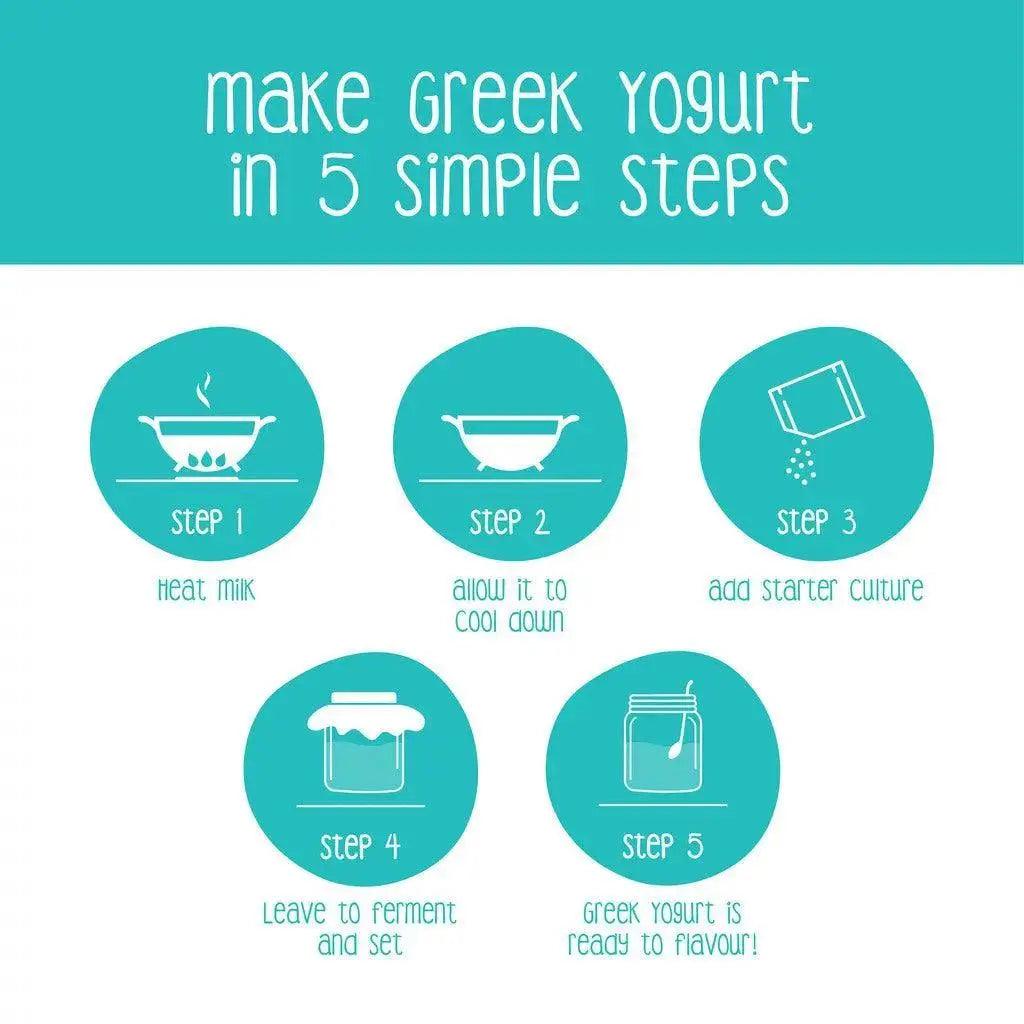
Greek yogurt preparation steps infographic by Zoh Probiotics - image 1
Greek yogurt preparation steps infographic by Zoh Probiotics - image 2
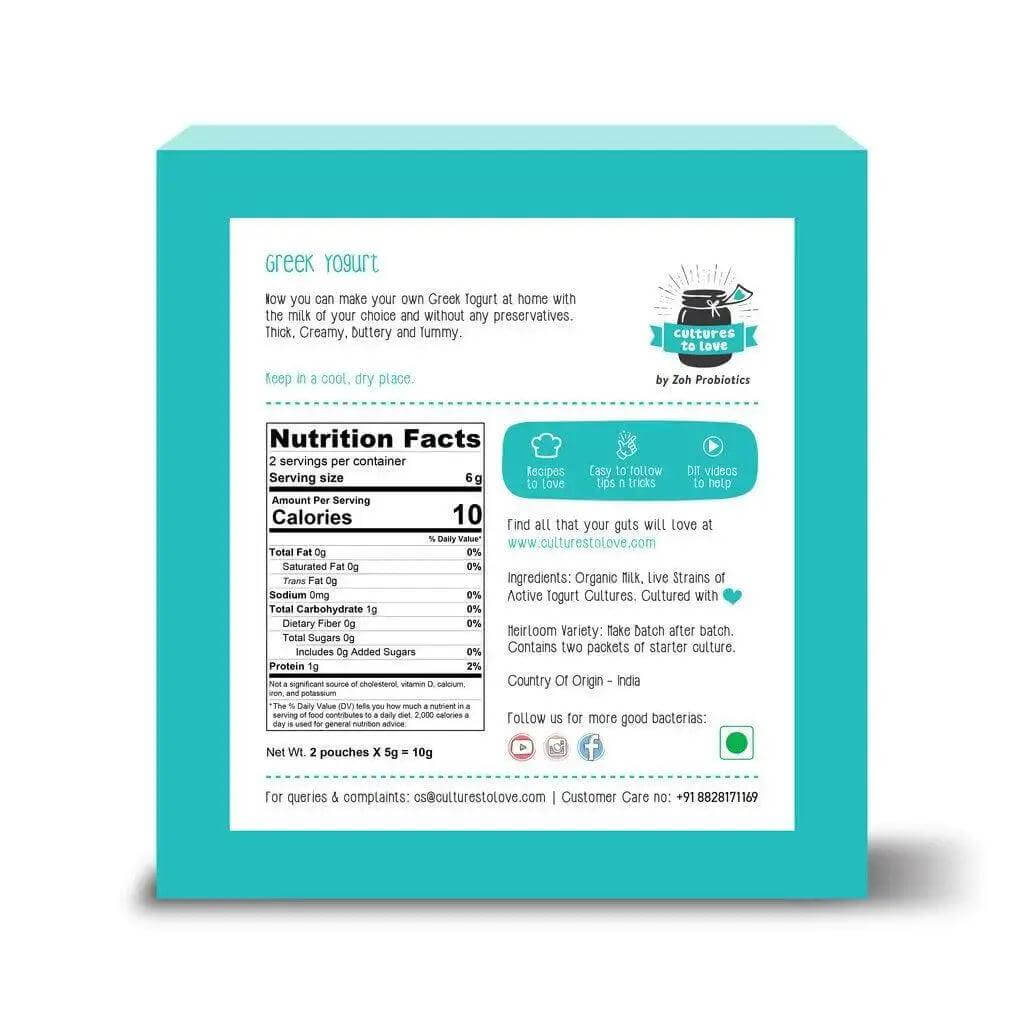
Zoh Probiotics Greek Yogurt Kit Packaging - Back View
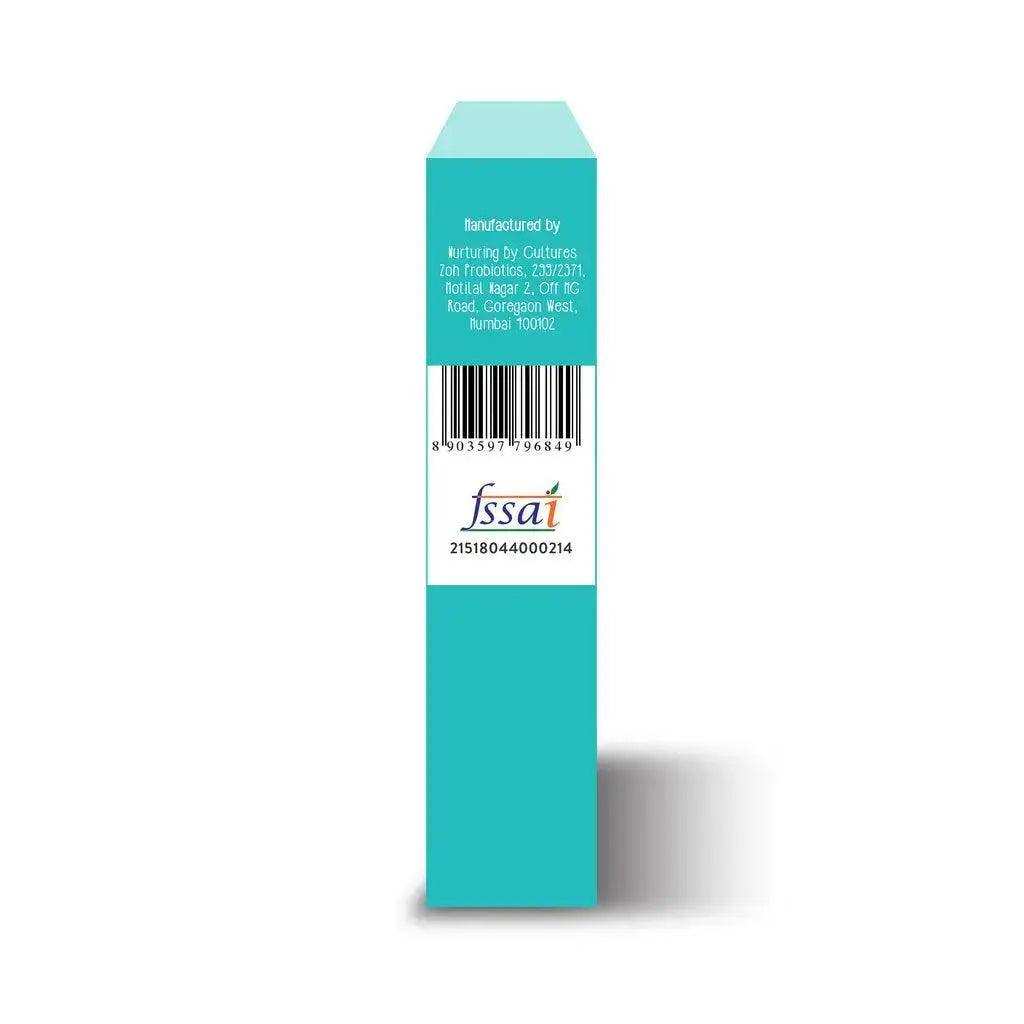
Zoh Probiotics Greek Yogurt Kit Packaging - Right Side with Barcode

Greek Yogurt Starter Culture | Homemade Probiotic Yogurt | Zoh Probiotics

Sale priceRs. 550 Regular priceRs. 600
Save 8%

Tax included. Shipping calculated at checkout

Quantity:

Greek Yogurt Starter Culture for Homemade Greek-Style Yogurt

Zoh Probiotics Greek Yogurt Starter Culture is a freeze-dried culture for making thick, strained Greek-style yogurt at home. Ferment milk, strain the finished yogurt to your preferred consistency, and use a portion of a successful batch to start subsequent batches according to the supplied instructions.

What you need

  • Greek yogurt starter culture
  • Milk of your choice; whole milk is the simplest starting point
  • A clean container and a stable warm fermentation environment
  • Muslin or another suitable straining cloth for Greek-style thickness

How to make Greek-style yogurt

  1. Heat the milk according to the supplied instructions, then cool it to the recommended inoculation temperature.
  2. Mix in the starter culture thoroughly.
  3. Incubate at a stable temperature until the yogurt has set and developed the desired acidity.
  4. Refrigerate to firm the set.
  5. For Greek-style yogurt, strain the finished yogurt until it reaches your preferred thickness.

Fermentation time varies with milk, temperature, inoculum and equipment. Use the supplied instructions and judge the batch by its set, aroma and acidity rather than relying on one fixed time.

Greek yogurt, regular yogurt and labneh

The culture can be used for set yogurt without straining. Straining removes whey and produces a thicker Greek-style texture; longer straining produces a labneh-like consistency.

Milk choices

Whole dairy milk is a straightforward place to start. Buffalo and higher-fat milk can produce a richer, thicker result. If you experiment with different milk types, expect fermentation time and texture to change.

Starter culture and reculturing

Follow the supplied reculturing instructions when using a portion of finished yogurt to start another batch. Culture performance can change over repeated generations, so refresh with a new sachet if batches become inconsistent.

Evidence and food claims

Yogurt is a fermented food containing live microbial cultures when live cultures remain present. The composition and viability of a finished batch depend on the starter, milk, temperature, fermentation time and storage. This product page describes fermentation and preparation rather than making disease-treatment claims.

Learn more

See Zoh's Fermentation Cultures hub and The Science of Live Cultures for broader fermentation and evidence context.
Clearing the Clutter

Article

Article

Article
Yogurt in 4 Steps

Prep Milk
Add 500 ml Organic full fat milk and heat it to a lukewarm temperature of 37-42 degree Celsius. Transfer to a sterilized glass jar.

Add Starter Culture

Empty one packet of starter culture into the milk and stir well.

Ferment

Cover the jar and leave to ferment at 37-42 degree Celsius for 6 hours. If not set, leave to ferment with intermittent checking every 2 hours.

Re-Culturing

Once the yogurt is set, make sure to keep aside 2 tbsp yogurt to make a fresh new batch.

FAQ

Know your Ferments
Know your Facts

In India, we often consume "dahi," a yogurt that is mesophilic, meaning it ferments at room temperature. Greek yogurt, on the other hand, is thermophilic, requiring warmer temperatures for fermentation. The Greek Yogurt Starter Culture contains two specific strains of bacteria, Lactobacillus bulgaricus and Streptococcus thermophilus, to ensure you get that authentic Greek yogurt texture and flavor. In contrast, dahi is made from a wild culture, meaning it contains various types of bacteria. Additionally, Greek yogurt has a tangier, more robust flavor compared to the mild, subtle taste of Indian dahi.

For the best results when using our Greek Yogurt Starter Culture, homogenized and pasteurized full-fat milk is highly recommended. However, you have a wide range of options, including cow milk, buffalo milk, A2 milk, and skimmed milk. If you opt for raw milk, ensure it is boiled and pasteurized beforehand to remove any harmful bacteria.

For those interested in non-dairy options, you can also use plant-based milk alternatives such as almond milk, soy milk, and coconut milk. Do note that the texture and taste may vary from traditional Greek yogurt made from dairy milk. You may also need to add a thickening agent like agar-agar or guar gum to achieve the desired consistency.

This versatile approach allows you to customize your homemade Greek yogurt according to your dietary preferences and needs.

Do I need any special equipment to make Greek yogurt at home?

You will ideally need a thermometer to ensure the milk reaches the appropriate warm temperature of around 40 degrees Celsius for the best outcome, as Greek yogurt is thermophilic. While a specialized yogurt maker can maintain this temperature consistently, you can also achieve the same result by keeping the fermenting yogurt in a warm place. Some DIY methods include placing it in an oven with just the light on, wrapping it in a quilt, storing it above the fridge, or submerging it in a warm water bath.

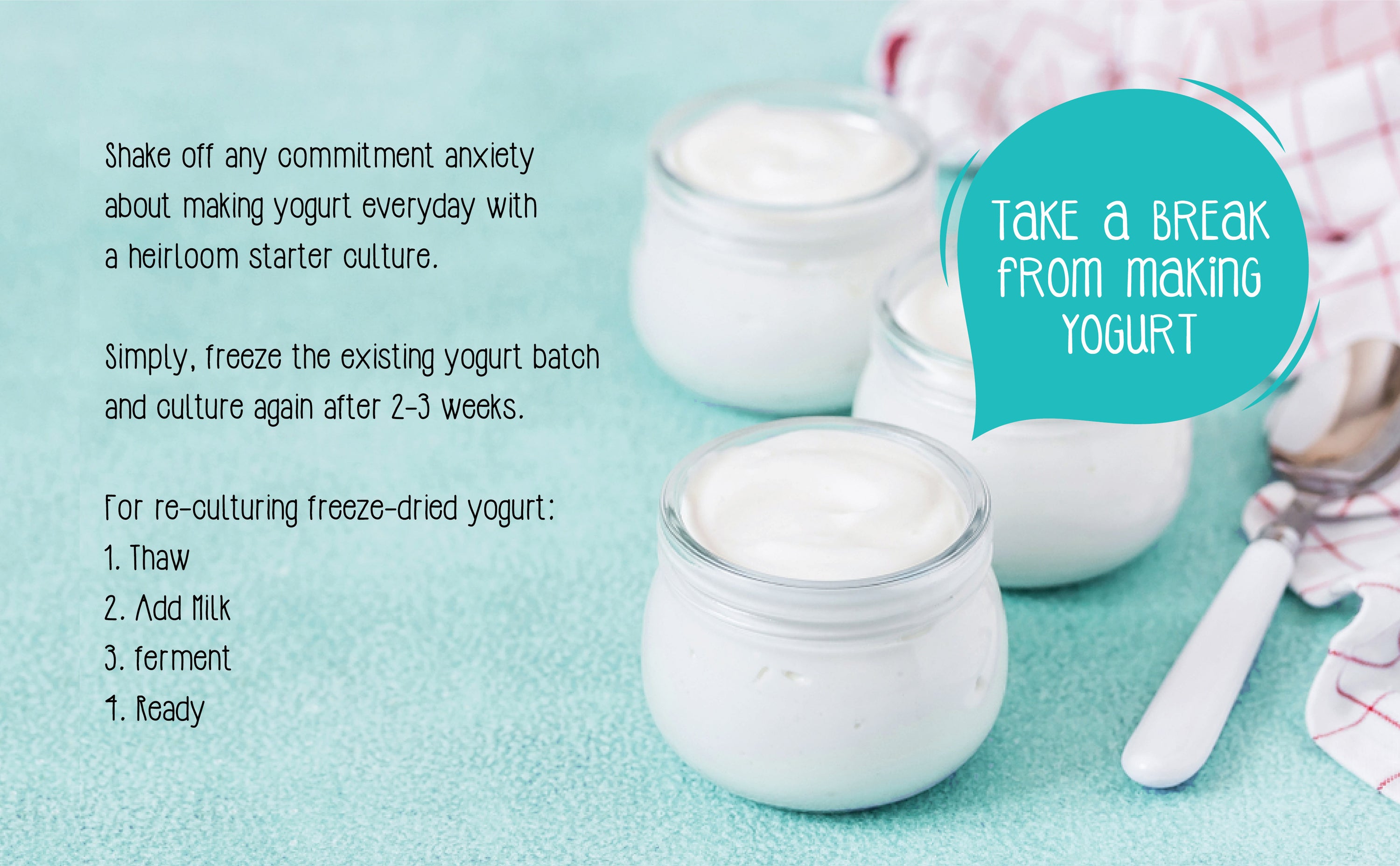
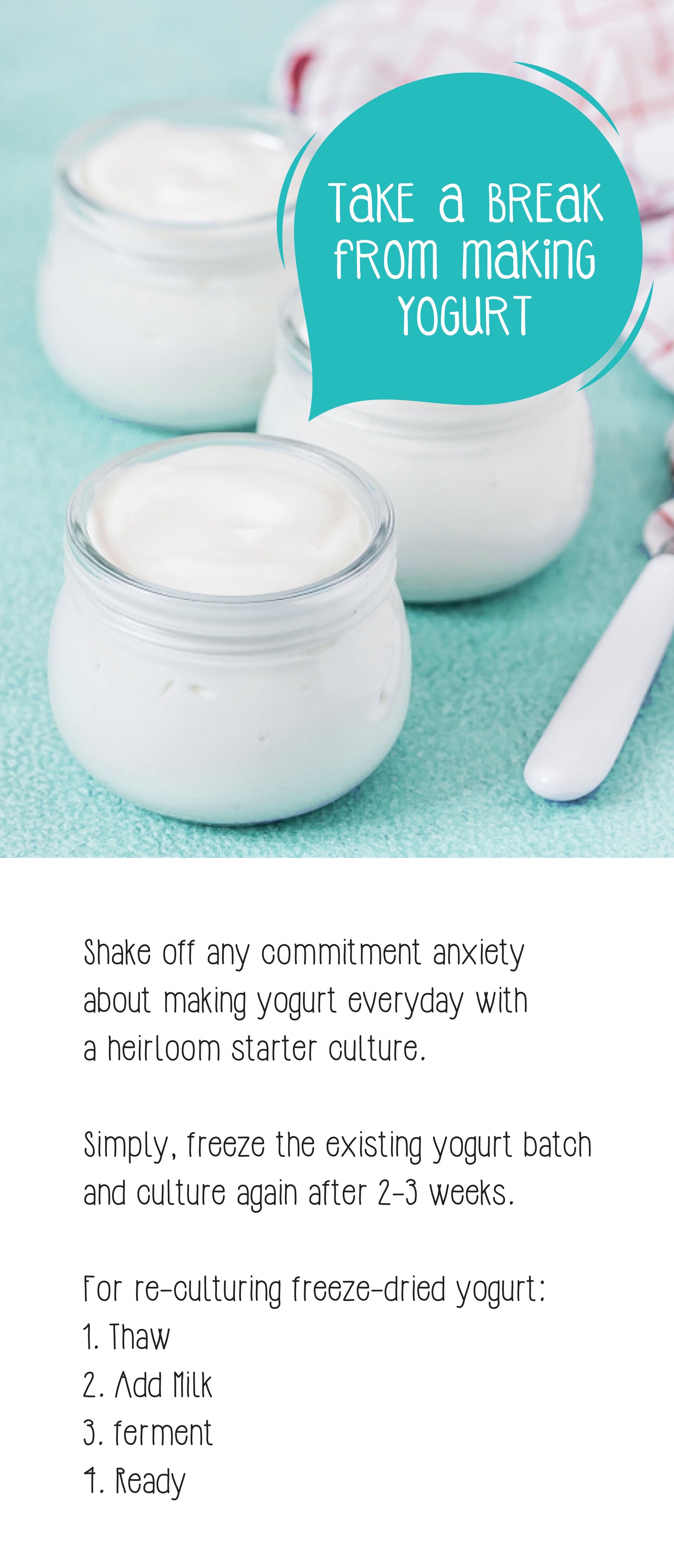
Yes, you can make larger batches easily. Our Greek Yogurt Starter Culture is an heirloom culture, meaning you can reculture it for future batches. For every liter of milk, use 2 tablespoons of the culture from a previous batch. This allows you to keep a continuous supply of homemade Greek yogurt.

Making Greek yogurt at home offers several key advantages:

1) Choice of Milk:
Choose from various milk types like cow, buffalo, or even plant-based options like almond and soy, to tailor the yogurt to your specific dietary needs and taste preferences.

2) No Additives:
Avoid unwanted additives and preservatives found in store-bought yogurt, ensuring a cleaner, more natural product.

3) Economical:
Making Greek yogurt at home is often more cost-effective than buying it from the store, especially if you plan to consume it regularly.

4) Freshness:
While homemade yogurt is made from freshly pasteurized milk, it’s worth noting that the pasteurization process can eliminate some of the natural probiotics. However, the fermentation process introduces beneficial bacteria back into the yogurt.

5) Reduce Plastic Waste:
Cut down on plastic pollution by storing your homemade yogurt in reusable containers.

6) Probiotic Benefits:
The fermentation process introduces beneficial bacteria into the yogurt, making it a healthy addition to your diet.

By making Greek yogurt at home, you gain control over the ingredients, save money, and contribute to a more sustainable lifestyle.

The protein content in your Greek yogurt will reflect the nutritional profile of the milk you use. Traditionally, Greek yogurt was made with a specific combination of bacteria that imparted its unique flavor. When it gained popularity, it became synonymous with strained yogurt. When you compare 100g of strained yogurt to 100g of unstrained yogurt, the strained version will have more protein due to the removal of whey. This is why Greek yogurt is often touted for its high protein content.