

01
Soak & dehull
Soak for 10–12 hours, then split the beans and rinse away the loose hulls.
Cart
Your cart is empty
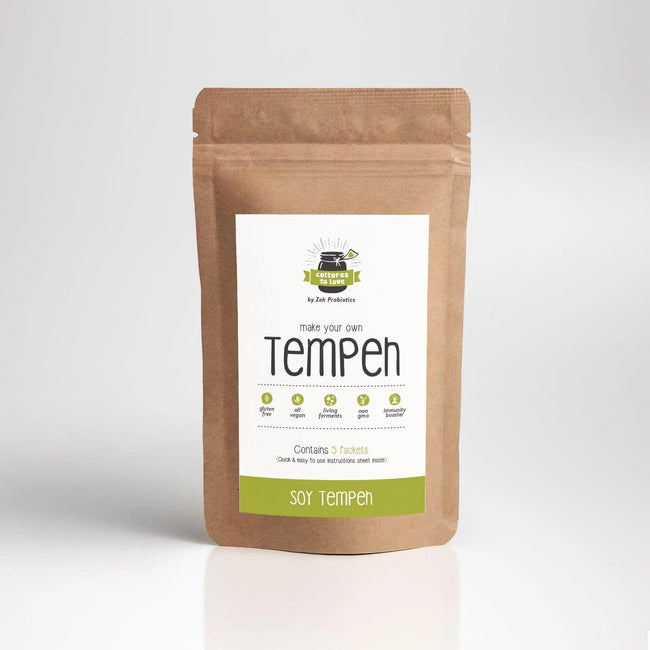
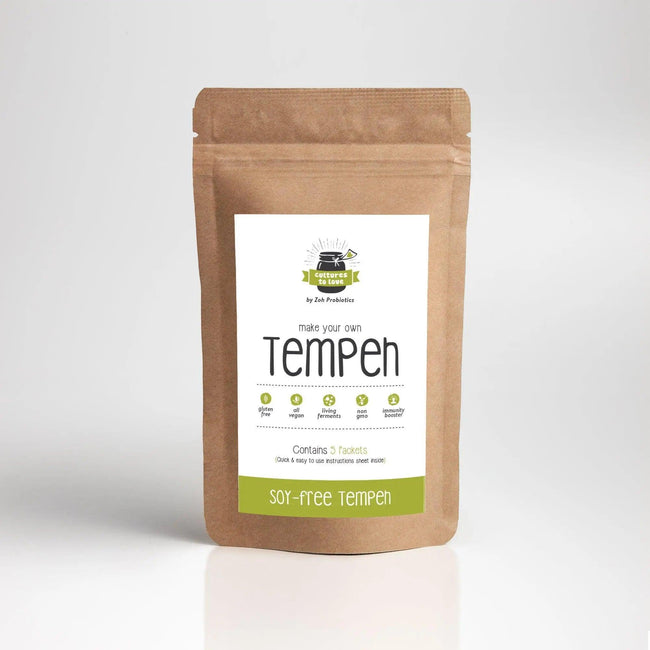
Starter cultures + preparation guide. Beans and equipment are not included.
YOUR NEXT HOMEMADE FAVOURITE
Classic soy. A whole world beyond it. Explore both with two starter packs and 15% off.
Inclusive of taxes
Ships next business day · International shipping calculated at checkout
A LITTLE PREP. SOMETHING DELICIOUS.
Start with beans. Finish with a firm, sliceable cake ready for your favourite recipe. Illustrations show soybean tempeh.
Soak for 10–12 hours, then split the beans and rinse away the loose hulls.
Cook until tender but firm. Turn off heat; add 30 ml vinegar per 500 g beans. Rest 20 minutes, then drain, dry and cool.
Mix one sachet through the cooled beans for 3–5 minutes. Pack in a perforated pouch, about 2.5 cm thick.
Begin at 28–30°C. Once it generates heat, use a 24–26°C environment. Chill when firmly bound by white growth; cook before eating.
For one batch, use 500 g beans, one starter sachet and 30 ml white vinegar in total. Soak for 10–12 hours and remove the hulls. Soybeans take about 60–90 minutes to cook; other pulses about 30–60 minutes, depending on the ingredient. Aim for tender beans that hold their shape.
Add the 30 ml vinegar to the hot cooking water after turning off the heat and rest for 20 minutes. Drain, surface-dry and cool. Do not add a second dose of vinegar. Mix in the starter for 3–5 minutes and spread into a perforated pouch about 2.5 cm thick.
Keep the initial environment at 28–30°C, away from sunlight. After around 18–24 hours the tempeh can generate its own heat; move to a 24–26°C environment and monitor with a thermometer. Expect roughly 24–48 hours of culturing, with variation by conditions. Refrigerate once the beans form a firm white cake. Time alone does not confirm a successful batch.
Keep unused starter sachets in the freezer. Use a fresh sachet for each batch. Cook finished tempeh before serving.
TWO STARTERS. MORE POSSIBILITIES.
One pack for classic soybean tempeh. One for exploring chickpeas, lentils and other pulses. Find your favourite—or keep both on the menu.
 +
+
2 packs · 10 sachets in total · preparation guidance
Save ₹154.50 compared with buying both ₹515 packs separately.
Free shipping on cultures in India
Includes a soy starter; keep soy and soy-free preparation separate.

FROM YOUR FERMENT TO YOUR PLATE
Marinate, pan-sear and serve with chutney.
Crumble into masala or simmer firm cubes in gravy.
Add golden slices, crunchy veg and your favourite sauce.
SAVE A RECIPE FOR YOUR FIRST BATCH
Full ingredients and methods live in our recipe collection. For soy-free cooking, adapt the tempeh and check sauces and seasonings too.
Keep the texture and fibre of your chosen beans.
Soybeans and pulses bring protein to everyday meals. The amount depends on your recipe.
Fermentation develops tempeh’s nutty character and firm bite.
Choose the beans, seasonings and dishes that suit you.
For classic soybean tempeh: a firm cake with a nutty taste and visible bean texture.
Choose soy →For chickpeas, lentils and other pulses. Explore grain and seed blends with a recipe suited to the base.
Choose soy-free →A soy-free starter does not make soybeans or soy sauce soy-free. Check the full recipe and current pack label if you are avoiding an allergen.
A LITTLE HELP GOES A LONG WAY
Tell us which beans you used, the temperature and how long it has been culturing. We’ll help you work out the next step.
Get help with my tempeh ↗If we identify a culture fault, we’ll replace it free under our replacement policy.
How replacements workTHE SCIENCE CORNER
Rhizopus grows a network of fine white threads called mycelium. These bind prepared beans together and help develop tempeh’s texture and flavour. It needs airflow and controlled warmth—then your finished tempeh is ready to cook.
Tempeh contributes plant protein and fibre from its ingredients. Fermentation can change nutrient availability, but benefits and nutrient amounts vary with the beans and process. Tempeh is not a reliable source of vitamin B12. Once cooked, it is not a guaranteed source of live cultures.
Read the tempeh fermentation guidance ↗No. This is starter culture for making tempeh at home. You supply beans, vinegar and equipment, then cook the finished tempeh.
Five starter sachets and preparation guidance. The duo contains one soy pack and one soy-free pack: ten sachets total.
Use one sachet per batch with 500 g beans, as directed. Each five-sachet pack gives you five starter portions. Finished yield varies with hydration, draining and the beans used.
Use a cooking pot, bowl, sieve, clean towel, food-safe perforated pouch or banana leaf, and a thermometer. A temperature-controlled warm space helps in cooler kitchens.
Soak beans for 10–12 hours, then cook, dry and cool them. Culturing generally takes about 24–48 hours depending on conditions. Look for a firm white cake, rather than relying only on the clock.
Use 30 ml white vinegar in total for 500 g beans. Add it after cooking, with the heat off, and let the beans sit in that water for 20 minutes before draining. Do not add another 30 ml later.
Your preparation guide allows pasteurised apple cider vinegar. Do not use raw vinegar, unpasteurised vinegar or vinegar with the mother.
Start with a 28–30°C environment. When the tempeh begins generating heat, usually after 18–24 hours, move it to a 24–26°C environment. Monitor the batch with a thermometer.
Cook tempeh before eating. Refrigerate a successful finished batch promptly; use the freezer for longer storage.
Check the temperature, dehulling, cooking, surface moisture and air holes. Send us a photo with your timings before extending fermentation indefinitely.
Discard a slimy batch or one with an ammonia or rotten smell. Do not taste it to check. Excess moisture and overheating can cause problems.
Rhizopus can form grey or black spores as it matures, particularly near air holes. Colour alone cannot prove a batch is safe. If the texture, smell or growth looks wrong, do not eat it; send us a photo.
Store the remaining sealed sachets in the freezer, as directed in your guide. Open one only when you are ready to use it and follow the pack’s expiry date.
Use a fresh sachet for each batch. Saving old tempeh as starter gives less predictable results and may introduce unwanted microbes.
Chickpeas, lentils and other pulses are starting options. Preparation varies by ingredient. Use an appropriate recipe for millets, seeds and blends instead of assuming every base needs identical cooking.
No. Your chosen pulses, seeds and sauces may contain other allergens. Check the current starter label and every ingredient, and avoid cross-contact where needed.
International shipping is available to supported destinations, with charges shown at checkout. Free culture shipping applies within India.
Email support@zohprobiotics.com with your order and batch photos. We troubleshoot with you and replace an identified culture fault under our policy. International replacement shipping and import charges are payable by the customer.


